


Double cleansing is a skincare method that uses two different cleansers to thoroughly remove makeup, sunscreen, excess oil, and impurities from the skin. It typically starts with an oil-based cleanser to dissolve oil-soluble debris, followed by a water-based cleanser to wash away sweat, dirt, and residue.
Table Of Content
- The Two-Step Method for a Perfectly Purified Complexion
- The Core Principle: Why Two Cleansers Are Better Than One
- The Essential Distinction: Dissolving vs. Washing Away
- The Oil Cleanser: Dissolving the Day’s Barrier
- The Second Step: Deep Purification and Hydration
- Choosing Your First Step: A Guide to Oil-Based Cleansers
- Matching Your First and Second Step to Your Skin’s Needs
- Question-Answer
- Is double cleansing really necessary, or is it just an extra step that wastes product?
- I have oily and acne-prone skin. Won’t using an oil cleanser make my breakouts worse?
- Can you explain exactly how to do it? I think I might be doing it wrong.
- What kind of products should I look for in each step? Are there specific ingredients?
- Start with an oil-based cleanser to dissolve sunscreen, waterproof makeup, and sebum before water-based cleansing.
- Follow with a gentle water-based cleanser to remove sweat, environmental dirt, and emulsified residue.
- Massage each cleanser for about 60 seconds and rinse thoroughly to avoid residue and pore congestion.
- Choose products by skin type: lightweight oils for oily skin, richer balms for dry or sensitive skin.
Originally popularized in Korean skincare routines, double cleansing is now widely recommended by dermatologists and beauty experts for achieving cleaner pores, better product absorption, and a healthier-looking complexion. Understanding what double cleansing is and how it works can help you choose the right products for your skin type and build a more effective daily skincare routine without over-cleansing or irritation.

Begin your evening ritual with an oil-based elixir. This initial step is non-negotiable for effectively dissolving long-wear sunscreen, waterproof makeup, and sebum that water alone cannot tackle. A product like Banila Co Clean It Zero Cleansing Balm transforms from a balm to a silky oil, lifting away every trace of cosmetic residue and environmental dirt without harsh tugging.

Follow this with a water-based, gentle foam or cream cleanser, such as COSRX Low pH Good Morning Gel Cleanser. This second wash removes any remaining impurities and the film from the first cleanser, ensuring pores are truly clear. It completes the purification process by balancing the skin’s pH level, a critical factor for maintaining a healthy barrier and preventing dehydration.
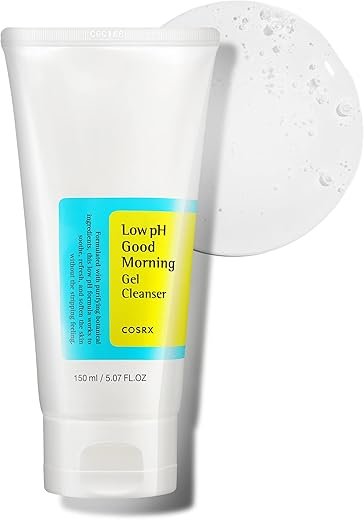
This sequential approach ensures deep yet respectful cleansing. By first dissolving oil-based debris and then sweeping away water-based grime, you create a perfectly clean canvas that optimally absorbs subsequent treatments. The result is not just cleanliness, but enhanced hydration and a visibly refined complexion, as serums and moisturizers can now perform to their full potential.
The Two-Step Method for a Perfectly Purified Complexion
Begin with an oil-based formula to dissolve long-wear cosmetics, sunscreen, and sebum. Massage the oil cleanser onto dry skin for a full minute to break down even waterproof makeup without harsh rubbing. A popular choice is the gentle Beauty of Joseon Ginseng Cleansing Oil, which emulsifies completely with water.

Follow immediately with a water-based foam or gel to remove residual impurities and sweat. This second step targets water-soluble dirt and ensures no oil residue remains, leaving skin clean yet balanced. The COSRX Low pH Good Morning Gel Cleanser is an effective option that respects the skin’s natural barrier.
| Step | Primary Target | Key Benefit | Product Example |
|---|---|---|---|
| First: Oil Cleanser | Lipophilic substances (oil, makeup, SPF) | Dissolves without stripping; preps pores | Hanskin Pore Cleansing Oil [PHA] |
| Second: Foam Cleanser | Hydrophilic substances (sweat, dust, residue) | Final purification; achieves a balancing finish | SoonJung pH 6.5 Whip Cleanser |

This sequential process ensures each cleansing agent performs its specific task optimally. The initial oil phase loosens debris within the pores, while the subsequent foam phase sweeps it all away, preventing congestion and promoting a truly clean canvas for subsequent treatments.
The Core Principle: Why Two Cleansers Are Better Than One
Start with an oil-based formula to dissolve long-wear makeup, sunscreen, and sebum. A product like Banila Co Clean It Zero Cleansing Balm effectively breaks down these substances without harsh rubbing. This first step targets what water alone cannot remove, preventing residue from clogging your pores.
Follow immediately with a water-based, gentle foaming or cream cleanser. This second wash removes sweat, environmental dirt, and any traces of the first cleanser. Using a product such as COSRX Low pH Good Morning Gel Cleanser completes the purification while maintaining the skin’s natural acid mantle. This two-phase cleansing ensures deep yet non-stripping purification, creating a perfectly clean canvas.
The true benefit lies in this sequential action: the initial oil step lifts impurities, while the second provides hydration and balancing. Skipping the first step leaves a film; skipping the second can leave a greasy residue. Together, they achieve a level of cleanliness and skin-prep that a single product cannot, optimizing the efficacy of every serum and moisturizer that follows.
The Essential Distinction: Dissolving vs. Washing Away
Start by recognizing that makeup and sunscreen are formulated to adhere, while daily grime simply sits on the skin. Effective removal requires a chemistry-based approach first, followed by a thorough cleanse.
Waterproof mascara, long-wear foundation, and mineral sunscreens contain oils and polymers that bond to your skin. A water-based foam cleanser cannot break these bonds, often leaving a residue that clogs pores. The initial step must use a surfactant-based oil cleanser or balancing cleansing balm to dissolve these products through like-attracts-like chemistry. For example, the gentle Heimish All Clean Balm effectively liquifies even tenacious formulas without stripping.

Once dissolved and rinsed, the second phase addresses what remains: sweat, environmental dirt, pollution particles, and any leftover emulsified residue. This is the role of a water-based cleanser, like the COSRX Low pH Good Morning Gel Cleanser, which purifies the skin’s surface and prepares it for subsequent hydration. Skipping the first step leaves a film; skipping the second can leave a pore-clogging oil layer.
- Target: Step 1 targets manufactured products (makeup, sunscreen). Step 2 targets environmental debris and sweat.
- Mechanism: Dissolution via oils and emulsifiers vs. washing away with water-soluble surfactants.
- Result: A perfectly clean canvas that maintains the skin’s moisture barrier, preventing the tight feeling that prompts over-production of oil.
The Oil Cleanser: Dissolving the Day’s Barrier
Begin by massaging a oil-based formula onto dry skin for a full minute to fully dissolve the protective film created by sebum, sunscreen, and long-wear cosmetics. This initial step is not about cleansing in the traditional sense, but about gentle dissolution. The oil bonds with and liquefies waterproof mascara, silicone-based primers, and excess facial oil without the harsh tugging that damages skin.
This process is crucial for maintaining the skin’s hydration equilibrium. A quality oil cleanser, like the Hanskin Pore Cleansing Oil [PHA] or DHC Deep Cleansing Oil, is formulated to rinse away completely with water, leaving no greasy residue. By efficiently removing this barrier, it prevents the foam cleanser that follows from working against a layer of dirt and product, allowing it to focus solely on purifying the skin’s surface and within the pores.
![Hanskin Pore Cleansing Oil, Oil Cleanser for Face, Makeup Blackhead Sebum Remover, Korean Deep Pore Cleanser for Sensitive Skin [PHA] (10.14 oz)](https://m.media-amazon.com/images/I/51mCG9vKC3L._SS520_.jpg)
The result is a deeply cleansed yet balancing effect; stripping is avoided, and the skin’s natural moisture barrier is respected, setting the correct foundation for all subsequent treatment steps.
The Second Step: Deep Purification and Hydration
Apply a water-based formula to a damp face, massaging it into a rich foam for one minute before rinsing thoroughly with lukewarm water.
This step directly targets sweat, environmental dirt, and any residual impurities deep within the pores that the initial step loosened. Unlike its oil-based counterpart, the water-soluble cleanser’s primary function is this deep purification without stripping the skin.
Look for a gentle, balancing foam containing hydrating agents like hyaluronic acid or glycerin. A product such as COSRX Low pH Good Morning Gel Cleanser effectively removes pore-clogging debris while maintaining the skin’s natural moisture barrier, preventing the tight feeling post-wash.
The result is a complexion that is not only impeccably clean but also perfectly prepped for subsequent treatment layers, as this step ensures no cleansing residue hinders absorption.
Choosing Your First Step: A Guide to Oil-Based Cleansers
Begin with a formula that matches your skin’s primary need: a lightweight, emulsifying oil for combination or oily skin, or a richer balm or milk for dry, sensitive types.
Key characteristics to look for in a quality first cleanser include:
- Emulsification: It must turn milky and rinse completely with water, leaving no heavy residue behind.
- Ingredient Focus: Seek oils like grapeseed (for balancing) or jojoba (mimics skin’s natural sebum) that effectively dissolve sebum and sunscreen without compromising the skin’s barrier.
- Texture Variety: Balms melt upon contact, milks offer extra gentle cleansing, and traditional oils provide a thorough dissolve.
For a practical start, consider these proven options available on Amazon:
- For Most Skin Types: The Hanskin Pore Cleansing Oil (PHA) is a cult-favorite that effectively clears pores while providing light exfoliation.
- For Sensitive Skin: Banila Co Clean It Zero Original Cleansing Balm transforms from a solid balm to a silky oil that removes all makeup while supporting skin hydration.
- For a Luxurious Feel: DHC Deep Cleansing Oil, based on organic olive oil, is a powerful yet nurturing formula that breaks down even waterproof makeup.
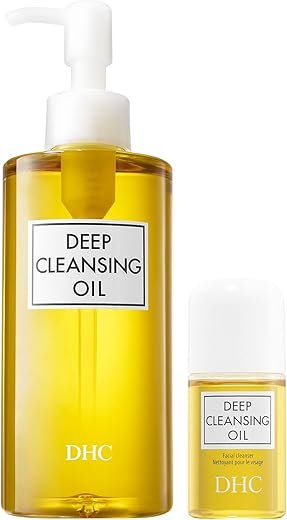
Apply to dry hands and face, massaging gently for 60 seconds to dissolve all impurities. Add water to emulsify, then rinse thoroughly. The correct product will leave skin perfectly prepped for your second foam or gel wash, with no trace of dirt or greasy film.
Matching Your First and Second Step to Your Skin’s Needs
Select your initial balm, oil, or milk based on the day’s makeup and sunscreen load, then pair it with a complementary second cleansing step. For heavy, long-wear products, a pure oil or rich balm like Then I Met You Living Cleansing Balm is most effective. For lighter days or sensitive skin, a gentle cleansing milk suffices.
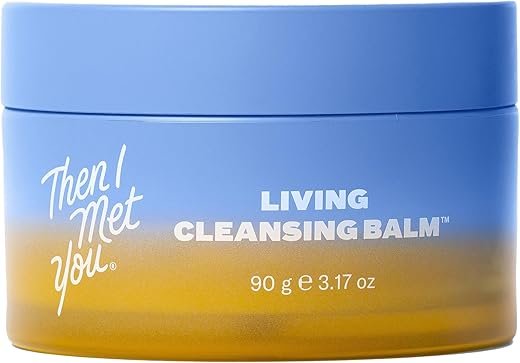
Oily and combination skin benefits from lightweight oils such as grapeseed or jojoba, followed by a clarifying water-based foam containing salicylic acid to deeply clear pores. Dry skin requires nourishing oils like camellia or olive, paired with a creamy, non-foaming second cleanser to preserve lipids.
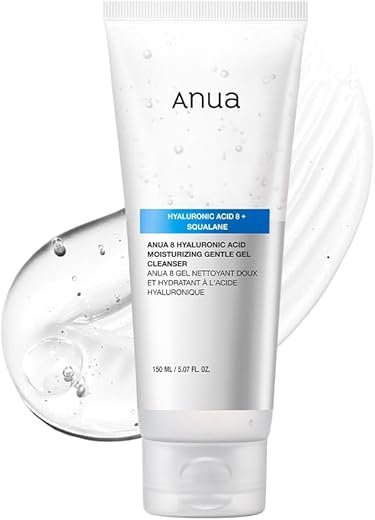
After the oil step dissolves barriers, the second cleanser must remove any residual dirt and emulsified residue without stripping. A product like ANUA Moisturizing Gentle Gel Cleanser adapts, offering a mild foam for a truly clean finish. The goal is skin that feels perfectly balanced–not tight, not slick–but thoroughly purified.
Question-Answer:
Is double cleansing really necessary, or is it just an extra step that wastes product?
Double cleansing isn’t necessary for everyone, but it addresses a specific issue. The first step uses an oil-based cleanser to dissolve substances that are oil-soluble: sunscreen, makeup, sebum, and pollution particles. Water-based cleansers often can’t fully remove these. The second step, a water-based cleanser, then washes away sweat, dirt, and any residue from the first cleanser. If you wear heavy makeup or sunscreen daily, double cleansing can lead to cleaner skin. For someone who wears little to no makeup, a single gentle cleanser at night may be perfectly adequate. It’s about matching the routine to your skin’s needs.
I have oily and acne-prone skin. Won’t using an oil cleanser make my breakouts worse?
This is a common concern, but the right oil cleanser can actually help. The principle is “like dissolves like.” Oil cleansers bind to the excess sebum in your pores, helping to dissolve and lift it out. This can prevent pores from becoming clogged. The key is to choose a non-comedogenic oil formula, like those with grapeseed or mineral oil, and to ensure you rinse it off completely with your second cleanser. This two-step method often leaves oily skin cleaner than using a harsh, stripping face wash alone, which can trigger more oil production. Many people with oily skin find this method improves their breakouts.
Can you explain exactly how to do it? I think I might be doing it wrong.
Here is a straightforward method. Start with dry hands and a dry face. Apply a coin-sized amount of your oil or balm cleanser. Gently massage it over your face for about 60 seconds, including your eyes and lips to dissolve makeup. Add a little water to emulsify the oil—it will turn milky—then rinse thoroughly. Pat your face dry. Next, take your usual water-based gel or foam cleanser. Lather it in your hands and massage it onto your damp skin for another 60 seconds. Rinse completely with lukewarm water. Gently pat your skin dry with a clean towel. Your skin should feel clean but not tight or squeaky.
What kind of products should I look for in each step? Are there specific ingredients?
For the first cleanse, seek products labeled as cleansing oil, balm, or milk. These contain oils (like jojoba, safflower, or mineral oil) or emulsifying agents that bind to dirt. A good sign is an ingredient like “PEG-20 Glyceryl Triisostearate,” which helps the oil rinse clean. For the second cleanse, use a product suited to your skin type. This could be a cream cleanser for dry skin, a gel for normal or combination skin, or a foaming wash for oily skin. Look for gentle surfactants and avoid formulas with high alcohol content or strong fragrances that can cause irritation. The goal of the second step is to cleanse without stripping the skin’s natural moisture barrier.



No Comment! Be the first one.