

The cornerstone of any effective body care regimen is ensuring that your skin is thoroughly cleansed from top to bottom. Whether you opt for a relaxing bath or a refreshing shower, there are numerous options available for cleansing your body. You might choose washcloths, loofahs, net sponges, or simply your hands to achieve clean, invigorated skin.
Table Of Content
- The Science Behind Washing Your Body
- Washcloth
- Loofah
- Net Sponges
- Hands
- The Final Takeaway
- Q&A
- What are the main differences between using a washcloth, a loofah, or just my hands for washing my body?
- Are there any risks associated with using a loofah for washing my body?
- How can I properly clean and maintain my washcloth or loofah?
- Is it better to use a moisturizing body wash with a washcloth or a loofah?
- What should I consider when choosing the best method for washing my body?
- What is the best way to wash your body according to dermatologists?
- Like this
- Related
- Related Posts


If you’ve ever pondered which method of cleansing is the most suitable for your skin, you’re not alone. To provide clarity, we consulted board-certified dermatologists to evaluate the benefits and drawbacks of each tool. Discover their expert opinions below.
Meet the Experts
- Dr. Adam Mamelak, MD, a board-certified dermatologist at Westlake Dermatology.
- Dr. Courtney Rubin, MD, MBE, FAAD, a board-certified dermatologist and co-founder & CMO of Fig. 1.
According to Dr. Mamelak, using hands is the gentlest method and is particularly beneficial for sensitive skin types. It allows you to control the pressure applied and minimizes the risk of irritation. He recommends using your hands with a mild, hydrating body wash to maintain moisture while cleansing.
On the other hand, Dr. Rubin advocates for washcloths because they offer a slight exfoliation effect, helping to remove dead skin cells and improve blood circulation. However, she notes that it’s essential to wash and dry your washcloth regularly to prevent bacterial growth.

Loofahs are popular for their ability to create lather and are effective for scrubbing away dead skin. Dr. Mamelak, however, cautions against the overuse of loofahs, as they can harbored bacteria if not replaced frequently—ideally every three to four weeks. He suggests ensuring that loofahs are thoroughly dried between uses to reduce bacterial risk.
No matter which method you choose, both experts emphasize the importance of using lukewarm water and choosing gentle, pH-balanced cleansers to avoid stripping the skin of its natural oils. After cleansing, a hydrating body lotion or cream is recommended to lock in moisture and keep the skin supple.
Ultimately, the best method for washing your body depends on your skin type, preferences, and any specific skin concerns you may have. Listening to your skin and adjusting your bathing habits accordingly can lead to happier, healthier skin.
The Science Behind Washing Your Body

Before diving into the specific advantages of each cleansing option, it’s crucial to recognize the general benefits of body washing. As Dr. Mamelak points out, “Regular cleansing removes dirt, oils, and microorganisms such as bacteria and fungi from the skin.”
In addition, maintaining clean skin is vital for preventing clogged pores. Dr. Rubin highlights that when pores become obstructed by dirt and debris, it may lead to unwanted outbreaks on the body. Another valuable aspect of bathing is the gentle exfoliation it can provide, depending on the tool utilized.
“Gentle exfoliating cleanses can eliminate dead skin cells from the skin’s surface, resulting in smoother and softer skin,” notes Dr. Rubin.
Moreover, washing your body can significantly contribute to overall skin health by promoting circulation. According to dermatologists, the process of scrubbing and massaging the skin while bathing stimulates blood flow, which can enhance the delivery of nutrients to skin cells. This increased circulation may also aid in the skin’s natural healing processes. Additionally, incorporating moisturizing body washes can help preserve the skin’s natural moisture barrier, reducing dryness and irritation, especially during colder months. Lastly, the psychological benefits of bathing should not be overlooked; a warm shower or bath can reduce stress and promote relaxation, creating a holistic approach to wellness.
Washcloth
Among the most widely used cleansing tools, washcloths offer a slightly abrasive surface between your hand and your skin. Dr. Mamelak suggests they are a practical choice for those seeking an economical solution, as washcloths come in various price ranges. However, quality may vary—washcloths can be crafted from cotton, microfiber, bamboo, or linen, depending on the retailer.
Opting for the softest fabric is advisable to protect your skin barrier. If you prefer textured washcloths, be careful not to scrub too hard to prevent skin irritation. For hygiene purposes, it’s recommended to use a fresh washcloth with every shower. Following each use, wring it out and hang it in a dry location to deter bacteria growth. Regular washing is also essential.
Additionally, consider the size of the washcloth. Larger washcloths can cover more skin area, making them great for full-body cleansing, while smaller ones may be more suitable for focused areas, such as the face. If you have sensitive skin or conditions like eczema, choosing a washcloth labeled as hypoallergenic can be beneficial. It may also be worthwhile to have a separate washcloth for your face to avoid transferring oils and impurities from your body. Finally, investing in organic or sustainably sourced washcloths can be a more environmentally friendly option.
Loofah
Loofahs, known for their rough and fibrous texture, have become a standard bathing accessory due to their skin-cleansing capabilities and ability to stimulate circulation.
Loofahs are popular because their coarse surface can aid in physically exfoliating dead skin cells,” says Dr. Rubin.
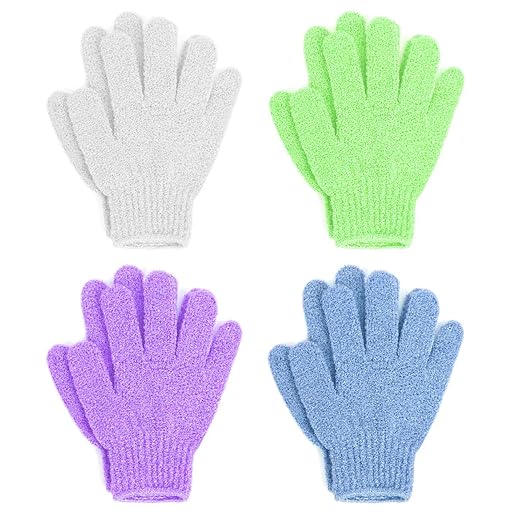
Hot Pick Linda Exfoliating Bath Gloves, Set of 4Gentle Exfoliation for Smooth SkinThese exfoliating gloves provide gentle scrubbing action to remove dead skin, improving texture and promoting healthy circulation. They fit most hand sizes and are perfect for daily use in the shower.
While quality loofahs can improve skin smoothness, using them more than twice weekly might harm your skin barrier or induce redness. Individuals with sensitive skin or chronic conditions, like eczema or psoriasis, should refrain from using loofahs altogether. It’s essential to listen to your skin and adjust usage based on how your skin reacts after exfoliation.
To minimize irritation or infection risks, it’s vital to keep your loofah clean. Dr. Rubin mentions that loofahs can harbor bacteria in moist environments. A good practice is to place your loofah in a well-ventilated area to dry. Dr. Mamelak recommends machine washing them on a high temperature, or alternatively, soaking them in baking soda, white vinegar, or diluted bleach before allowing them to air dry.
“Loofahs should be washed weekly to prevent bacterial buildup,” he advises.
Experts also recommend replacing your loofah every few weeks. For an added layer of hygiene, consider purchasing a loofah made from natural materials, which are often biodegradable and less likely to contain harmful chemicals. If you prefer using a loofah alongside other exfoliation methods, like scrubs or exfoliating gloves, space out their use to avoid over-exfoliating, which can lead to irritation and sensitivity.
Net Sponges
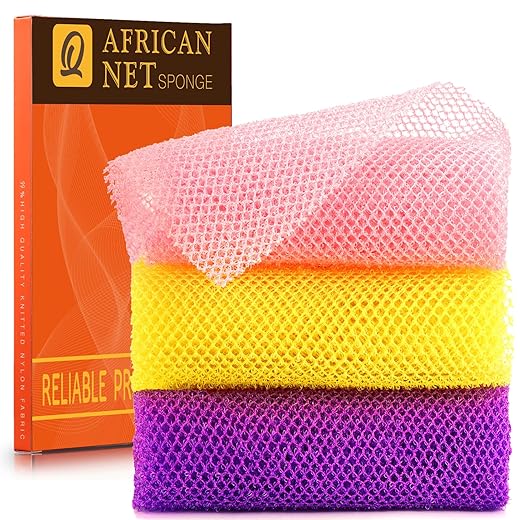
Net sponges, a traditional open-weave washcloth from Africa, share a similar texture with loofahs. According to Dr. Mamelak, “Net sponges are generally made of nylon.”
Functionally, loofahs and net sponges are comparable.
“Net sponges have gained popularity because they provide many of the same exfoliating benefits as loofahs and tend to dry faster between uses due to their porous nature, making them more sanitary,” notes Dr. Rubin.
However, there are downsides to net sponges. As Dr. Rubin points out, like any exfoliating tool, if used too aggressively, they can compromise the skin barrier, particularly for individuals prone to eczema, irritation, or post-inflammatory pigmentation.
On the positive side, net sponges typically require less frequent replacement or washing compared to loofahs. With proper gentle washing methods, net sponges can last between one to two years.
“I suggest consulting the manufacturer for any specific maintenance instructions,” advises Dr. Rubin.
In addition to their exfoliating properties, net sponges can also help improve blood circulation when used during a shower. Massaging the skin with a net sponge can stimulate the lymphatic system, which aids in detoxification and reduces the appearance of cellulite over time. Additionally, when combined with your favorite body wash or soap, net sponges create a rich lather that not only cleanses but also enhances the overall bathing experience.
It’s important to note, however, that while net sponges are beneficial, they should not be used on broken or sensitive skin. To maximize their effectiveness and longevity, consider rinsing the sponge thoroughly after each use, allowing it to air dry completely, and storing it in a well-ventilated area away from moisture.
Hands
Some individuals choose to forego additional cleansing tools and simply use their hands for body cleansing. Dermatologists often endorse this method as an efficient cleansing technique, particularly for those with sensitive skin.

“I generally recommend this method to my patients,” states Dr. Rubin. Using your hands is gentle on the skin and helps avoid over-exfoliation and damage to the skin barrier.
Additionally, Dr. Mamelak notes that washing with your hands is more practical and economical compared to other methods.
However, if you seek exfoliation, the experts explain that using only your hands won’t achieve that effect (a bathing mitt like Kitsch’s Exfoliating Glove is recommended). If you opt for hand washing, certain precautions are essential.
“I always advise washing with clean hands and ensuring all soap residue is thoroughly rinsed off, as leftover suds can lead to irritation and contact dermatitis,” cautions Dr. Rubin.
The Final Takeaway
Each cleansing method—washcloths, loofahs, net sponges, and hands—comes with its distinct advantages and disadvantages. Deciding which one suits you best hinges on your specific skin care objectives, desired outcomes, and how frequently you intend to clean your tool. “The reality is that it’s challenging to choose just one method,” comments Dr. Mamelak. “[The choice should] be tailored to the individual’s skin type and concerns.”
Q&A:
What are the main differences between using a washcloth, a loofah, or just my hands for washing my body?
Washcloths are typically made of cotton and provide a soft surface that can help exfoliate while also being gentle on the skin. Loofahs, often made from the fibrous material of the loofah plant, offer more aggressive exfoliation and can help remove dead skin cells more effectively. However, they can also harbor bacteria if not cleaned properly. Using your hands is the simplest option, allowing for a gentle wash without the risk of irritation. Each method has its benefits, and the best choice depends on your skin type and personal preference.
Are there any risks associated with using a loofah for washing my body?
Yes, while loofahs can be great for exfoliating, they can pose risks if not maintained. They can harbor bacteria, especially if they remain damp and are not dried thoroughly between uses. Dermatologists recommend replacing your loofah every few weeks and sanitizing it regularly to minimize the risk of skin infections. If you have sensitive skin or existing skin conditions, you might want to use a gentler option like a washcloth or your hands.
How can I properly clean and maintain my washcloth or loofah?
To keep your washcloth clean, it’s best to wash it regularly in hot water, ideally after every use, and to replace it every few weeks. Loofahs can be sanitized by soaking them in a mixture of water and vinegar or hydrogen peroxide for about 30 minutes, then rinsing thoroughly and allowing them to dry completely. It’s important to hang them in a well-ventilated area to prevent moisture buildup, which can lead to bacterial growth.
Is it better to use a moisturizing body wash with a washcloth or a loofah?
Using a moisturizing body wash with either a washcloth or a loofah can be beneficial, but it depends on your skin type. A washcloth can help distribute the moisturizing ingredients more evenly, while a loofah’s exfoliating properties may help to slough away dry skin cells, allowing for better absorption of the moisturizer. If your skin is sensitive or prone to irritation, a washcloth with a gentle moisturizer may be the preferred option.
What should I consider when choosing the best method for washing my body?
When deciding how to wash your body, consider your skin type, any existing skin conditions, and personal hygiene habits. For sensitive or dry skin, using just your hands or a gentle washcloth may be the best approach. If you have oily skin or enjoy exfoliating, a loofah might be a good choice. Also, consider how often you can clean and maintain these tools, as proper hygiene is key to avoiding skin issues.
What is the best way to wash your body according to dermatologists?
Dermatologists recommend using either washcloths, loofahs, or just your hands to wash your body, depending on your skin type and personal preference. For individuals with sensitive skin, using hands is often recommended to avoid irritation. Those with normal or oily skin might benefit from using a loofah or washcloth, as they can help exfoliate dead skin cells. It’s also important to use a gentle cleanser suited to your skin type.


Great body wash for sensitive skin and is fragrance-free. Excellent body wash for sensitive skin. Lathers well but not too soapy, and leaves skin feeling fresh, soft, and clean. Top quality.
5.0 out of 5 stars – An Excellent, No-Nonsense Cleanser for Sensitive Skin. This body wash is an exceptional product for anyone with sensitive skin or who simply wants to avoid harsh chemicals. Reviewers consistently praise its gentle yet effective cleaning power. It’s completely free of fragrances, sulfates, dyes, and parabens, making it a safe choice that cleans without stripping your skin.While some users note that it produces a more minimal lather compared to traditional body washes, this is a positive trade-off for a formula that skips harsh, suds-making chemicals. A little of the product goes a long way, and it’s remarkably effective at leaving your skin feeling genuinely clean and refreshed.The product’s pure cleansing nature means it doesn’t contain added moisturizers, which some reviewers see as a major benefit. After use, your skin may feel clean and dry, but this allows you to choose and apply your own moisturizer, giving you complete control over your skincare routine. This is a top-quality wash that prioritizes ingredient safety and effective cleaning above all else.
A Lifesaver for Sensitive Skin. I have extremely sensitive skin, especially in the vaginal area, and finding a body wash that doesn’t cause irritation has been a challenge. Vanicream Gentle Body Wash has been a total game-changer for me.It’s free of dyes, fragrance, parabens, and other common irritants, which makes it incredibly gentle. I’ve had zero irritation since switching to this, and it leaves my skin feeling clean and soft without any dryness or discomfort.It’s also great for full-body use, and I love that it’s dermatologist-recommended and EWG Verified. If you’re dealing with sensitive skin or looking for a safe, non-irritating wash, this is absolutely worth trying.