


Stop Hair Breakage Fast is more than just a catchy phrase — it’s a realistic goal once you understand why hair breaks and which actions deliver quick results. Hair breakage is most often caused by dehydration, excessive heat styling, harsh products, and everyday mechanical damage that builds up over time. The good news is that with the right approach, you can noticeably reduce breakage within weeks — without expensive salon treatments or drastic changes.
Table Of Content
- Fast Hair Breakage Fix: Diagnose the Cause, Stabilize the Fiber, and Build a Daily Routine
- Spotting Breakage vs Shedding: Quick At-Home Checks (Tug Test, Strand Length, White Bulb)
- Pinpointing the Top Triggers: Heat, Chemical Services, Tight Styles, Friction, Hard Water
- Emergency 48-Hour Reset: Pause Heat, Switch Tools, Detangle Safely, Lock in Moisture
- Wash-Day Protocol to Reduce Snap-Off: Shampoo Choice, Slip, Gentle Handling, Rinse Temperature
- Repair Strategy: Protein vs Moisture Balance and How to Schedule Them (Weekly Map)
- Product Picks by Goal: Bond Builders, Leave-Ins, Sealants, Heat Protectants, Satin Accessories
- Q&A
- My hair snaps when I brush it after washing. What can I do today to stop the breakage fast?
- Is my breakage coming from heat styling, and how do I keep using a blow dryer without my ends splitting?
- What products actually help hair breakage—protein, masks, oils, bond builders? I’m confused about what to buy.
- How can I tell if it’s breakage or shedding, and does the fix change?
- Do a balance test and adjust: protein if strands feel gummy; prioritize hydration if hair is stiff or rough.
- Build a routine: alternate hydration masks and protein/keratin treatments weekly, use leave-ins, seal ends, and micro-trim every 8–12 weeks.
- Prevent damage: reduce heat, always use heat protectant, detangle with slip using wide-tooth combs, and sleep on satin to cut friction.
In this guide, you’ll learn how to stop hair breakage fast using proven, practical methods: from adjusting your daily hair care routine and choosing strengthening products to protecting your hair during sleep and styling. We’ll break down the habits that damage hair the most and show you what actually helps restore strength, elasticity, and a healthier-looking length.

Start today with a “balance test”: if strands feel gummy when wet, prioritize protein and keratin; if they feel stiff and rough, prioritize hydration, moisture, and rich conditioning. This simple check guides product choice so you restore elasticity without overloading the fiber or leaving it dehydrated.
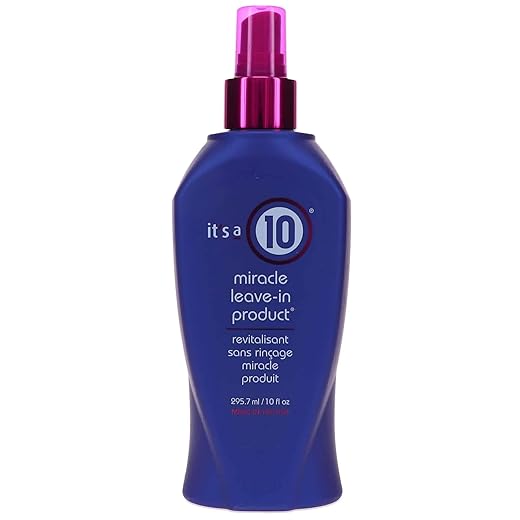
For immediate strengthening, use an Amazon pick like Olaplex No.3 Hair Perfector 1–2× weekly on damp lengths for 10–30 minutes, then rinse and follow with a hydrating mask. Pair it with a light keratin/protein step only if the strand stretches too far before snapping (a classic low-structure sign). If you need a keratin-friendly option from Amazon, rotate in It’s a 10 Miracle Deep Conditioner Plus Keratin once weekly–focus on mid-lengths to ends to improve strengthening without weighing down roots.

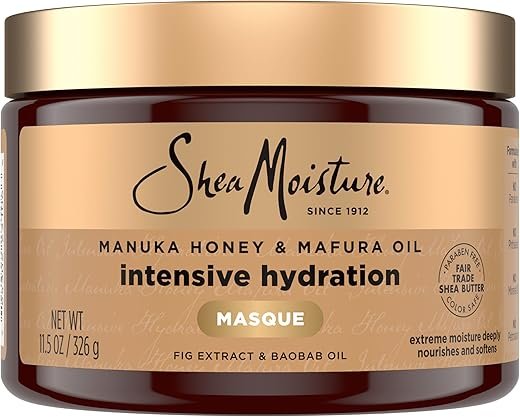
Lock in moisture every wash day by using a slip-rich conditioner (reduces friction damage) and detangling with fingers or a wide-tooth comb. From Amazon, SheaMoisture Manuka Honey & Mafura Oil Intensive Hydration Masque delivers deep hydration and conditioning; apply for 5–10 minutes, then rinse cool to help seal the cuticle and preserve elasticity.
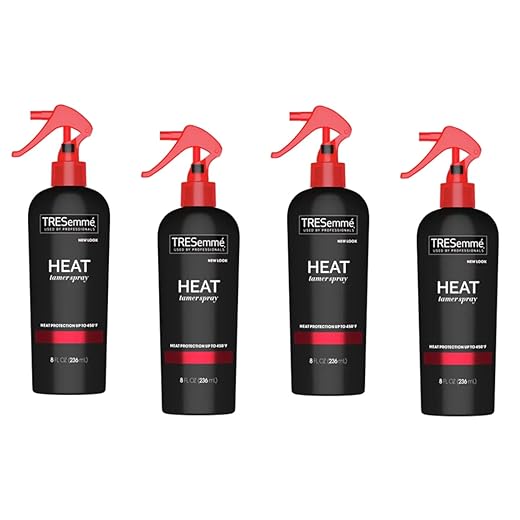
Prevent new damage with two non-negotiables: heat protection and a micro-trim. Use TRESemmé Thermal Creations Heat Tamer (Amazon) before blow-drying or styling, and schedule a 0.25–0.5 inch trim every 8–12 weeks to remove frayed ends that “zip” upward. This combo reduces snapping, improves manageability, and makes any protein/keratin plan work faster because you’re not reinforcing already-split fibers.
Fast Hair Breakage Fix: Diagnose the Cause, Stabilize the Fiber, and Build a Daily Routine
Start with a “snap test” today: take one clean strand, gently stretch it. If it snaps quickly, you’re low on moisture and hydration; if it stretches a lot and feels gummy, your elasticity is compromised from over-processing. In both cases, reduce heat to ≤150°C/302°F, switch to a microfiber towel, and detangle only on damp, slip-filled strands with a wide-tooth comb to cut friction that fuels frizz.
Diagnose the cause in 3 checkpoints. (1) Ends: white dots/splitting = schedule a small trim of 3–6 mm every 6–8 weeks; you can’t “seal” a split end long-term. (2) Mid-length roughness + tangling = cut mechanical stress: satin pillowcase, loose braids, and avoid tight elastics. (3) Chemical/heat history: if you color/bleach or straighten weekly, prioritize conditioning and bond support 2–3× per week, alternating with strengthening sessions so you don’t overload either protein or moisture.
Stabilize the fiber with a simple rotation: one deep conditioning mask focused on hydration, then one strengthening treatment built around keratin (or keratin-like proteins) every 7–10 days. For Amazon, look at Olaplex No.3 Hair Perfector for bond support, K18 Leave-In Molecular Repair Hair Mask for damage repair, and It’s a 10 Miracle Leave-In to smooth frizz and improve comb slip. Keep keratin-based treatments to 1× weekly max if strands feel stiff; stiffness is a sign to shift back toward moisture and hydration.

Build a low-effort maintenance flow: cleanse with a gentle sulfate-free formula, condition for 3–5 minutes, then apply a leave-in on towel-damp lengths and seal ends with a light oil or silicone serum to reduce friction. Use a heat protectant every time you blow-dry; aim for warm air, keep the nozzle moving, and finish with a cool shot to reduce frizz. If you need extra reinforcement, add a lightweight protein spray only on mid-lengths and ends, not the scalp, to protect elasticity without crunch.
Spotting Breakage vs Shedding: Quick At-Home Checks (Tug Test, Strand Length, White Bulb)
Do this first: collect 10–15 strands from your brush after a wash day, lay them on white paper, and sort them by length and root shape–this gives a clear signal within 2 minutes.
- Mostly long strands (near your full length): this points to shedding (normal cycle).
- Many short, uneven pieces: this points to snapping (often from low moisture, heat, tight styling, or chemical stress).
- White bulb at one end: shedding (the bulb is the root). No bulb + jagged ends usually means snapping.
White Bulb Check (root vs snap): Hold a strand under bright light. If you see a tiny white “club” on one end, that strand likely completed its cycle. If ends look frayed or you see split points, prioritize hydration and gentle handling; add strengthening sessions with protein or keratin only if strands feel gummy or over-stretched.
Strand Length Check (where it fails): Measure the pieces quickly against your finger or a ruler. If most are <5–7 cm (2–3 in), the weak point is mid-lengths/ends–common when frizz is high and elasticity is low. Plan a small trim every 8–12 weeks to remove worn tips and reduce continued splitting.
Tug Test (elasticity vs overload): On slightly damp strands (not dripping), pick one strand and pull gently between two fingers.
- Good elasticity: it stretches a little (about 10–30%) and returns without snapping.
- Snaps immediately: likely too dry–raise moisture and hydration with a richer conditioner and fewer hot tools.
- Stretches a lot and feels “gummy”: likely over-softened–add a light protein treatment 1× weekly, then reassess.
Product picks (Amazon) matched to what you find:
- If tug test snaps (needs moisture/hydration): SheaMoisture Manuka Honey & Mafura Oil Intensive Hydration Masque.
- If strands feel gummy (needs protein/strengthening): ApHogee Two-Step Protein Treatment (use sparingly; follow with deep conditioner).
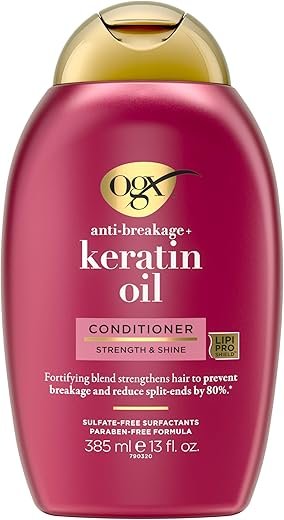
- If frizz + rough feel (needs keratin smoothing + protection): CHI Keratin Mist (light spray) or OGX Anti-Breakage + Keratin Oil (apply to ends only).
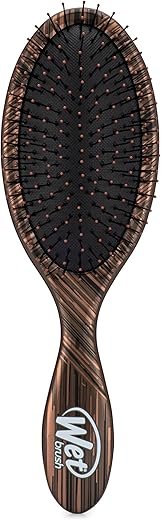
- To reduce mechanical stress (less snapping): Wet Brush Original Detangler + Kitsch Satin Scrunchies.
Pinpointing the Top Triggers: Heat, Chemical Services, Tight Styles, Friction, Hard Water
Cap heat tools at 170–185°C (338–365°F) for fine/colored strands and 185–200°C (365–392°F) for thicker textures, then use one pass per section–multiple passes rapidly reduce moisture and elasticity and can warp keratin bonds. Apply a heat protectant on damp lengths before blow-drying and again lightly before irons. Amazon picks: TRESemmé Thermal Creations Heat Tamer Spray (budget) or CHI 44 Iron Guard (strong slip). Add weekly conditioning with a mask that balances protein and hydration to keep strands flexible instead of brittle.
After chemical services (lightening, relaxing, perming, strong color), schedule a bond-focused step within 7 days and repeat weekly for 4–6 weeks; this supports strengthening where the cuticle has been compromised. Alternate a protein treatment (once every 10–14 days) with deep conditioning to avoid overload. Amazon examples: Olaplex No.3 Hair Perfector or K18 Leave-In Molecular Repair Mask (short-contact repair).
Tight styles create constant tension at the same points, leading to snapped ends and thinning at edges–swap to loose braids, a low bun, or a claw clip and keep “tension time” under 2–3 hours when possible. Use snag-free elastics and a little leave-in for moisture and slip before styling. Amazon: Kitsch Satin Scrunchies + It’s a 10 Miracle Leave-In (great for detangling and conditioning).

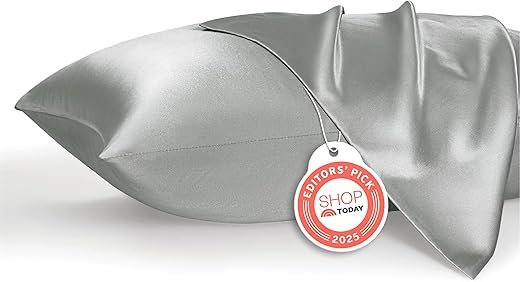
Friction from cotton pillowcases, rough towels, and aggressive detangling strips the cuticle; switch to satin/silk at night and blot with a microfiber towel. Detangle only when damp with conditioner, starting from ends upward to protect elasticity. Amazon: Bedsure Satin Pillowcase + The Original Wet Brush.
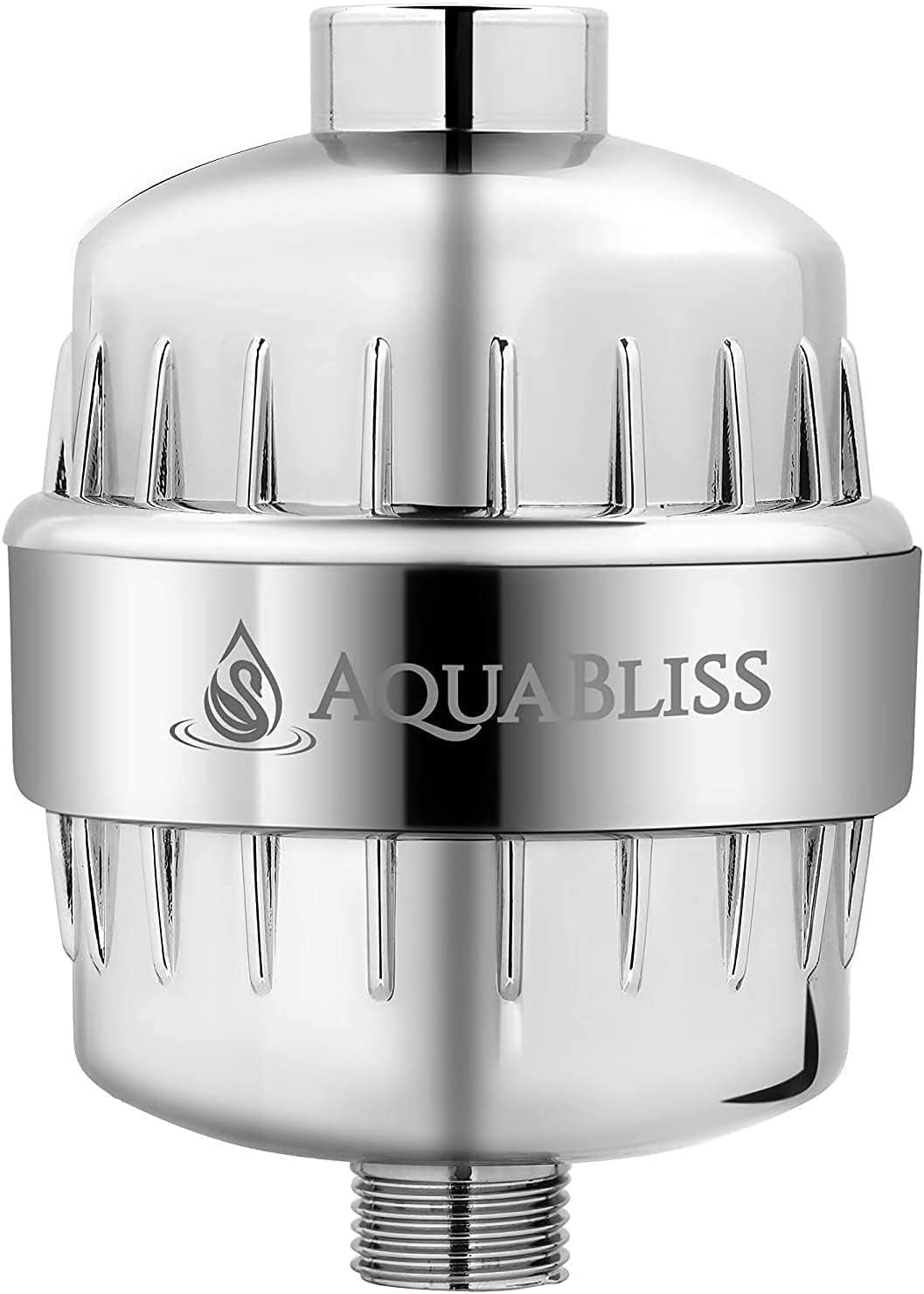
Hard water deposits calcium/magnesium on the cuticle, making strands feel rough, dull, and easier to snap; install a shower filter and clarify every 2–4 weeks (more often if you swim or use heavy stylers). Follow clarifying with a rich conditioning mask and a leave-in for hydration and moisture recovery. Amazon: AquaBliss High Output Shower Filter + Malibu C Hard Water Wellness Shampoo (or a chelating shampoo).

Keep ends in shape: a micro-trim every 8–12 weeks prevents splits from traveling upward, while regular strengthening sessions (protein spaced out with hydration) maintain flexible, resilient lengths. If strands feel stiff, reduce protein and increase moisture; if they feel mushy/stretchy, add a light protein step and shorten wet handling.
Emergency 48-Hour Reset: Pause Heat, Switch Tools, Detangle Safely, Lock in Moisture
For the next 48 hours, skip all hot tools (flat iron, curling wand, hot brush) and keep wash water lukewarm–heat spikes worsen frizz and reduce elasticity, so strands snap more easily. If you must dry, use a blow-dryer only on cool/low with a diffuser and keep airflow moving; aim for “barely warm” at the scalp and lengths.
Switch tools immediately: use a microfiber towel instead of terry cloth to reduce friction, and trade stiff bristles for a gentle detangler. On Amazon, look at the Wet Brush Original Detangler or Tangle Teezer The Original both help minimize mechanical stress while preserving elasticity. For drying, the Kitch Rapid Dry Hair Turban on Amazon cuts rub-time, helping retain moisture and improving hydration without roughing up the cuticle.

Detangle only when slip is high: mist water + leave-in, then work in 4–6 sections from ends upward. A wide-tooth comb is the safer first pass; the Crave Naturals Glide Thru Detangling Comb (Amazon) is a solid option. If knots are tight, add a pea-sized amount of silicone-based serum just on the snag and “pick” it apart with fingers–this reduces friction, prevents sudden tension, and keeps elasticity from collapsing.

Lock in moisture with a simple 2-step seal: (1) leave-in for hydration, then (2) a light oil/serum to slow moisture loss. On Amazon, It’s a 10 Miracle Leave-In provides conditioning and helps manage frizz, while Moroccanoil Treatment (Light) seals ends without heavy buildup. If your lengths feel mushy or stretchy when wet, add a controlled dose of protein once during the 48 hours: a keratin-based mask can reinforce weak areas and support strengthening, but keep it to one session to avoid stiffness.

One-session rescue mask idea (do it once, not twice): apply a keratin/protein conditioner for 5–10 minutes, then rinse and follow with a moisturizing conditioner for 2–3 minutes to rebalance hydration. Amazon examples: OGX Anti-Breakage + Keratin Oil Conditioner for keratin/protein support, followed by SheaMoisture Manuka Honey & Mafura Oil Intensive Hydration Conditioner for moisture and conditioning. This combo targets both weakness (protein/keratin) and dryness (hydration) without overloading either side.
Quick 48-hour checklist: cool/low drying only, microfiber instead of rubbing, detangle in sections with slip, one protein/keratin conditioning session max, then daily hydration + sealing. If strands feel stiff after protein, pivot immediately to moisture-focused conditioning for the next wash.
Wash-Day Protocol to Reduce Snap-Off: Shampoo Choice, Slip, Gentle Handling, Rinse Temperature
Choose a sulfate-free cleanser for the first lather, then use a clarifier only every 2–4 weeks if you have heavy buildup. Look for “amino acids,” “keratin,” or “protein” on the label when strands feel weak, but alternate with a moisturizing formula to keep elasticity (too much protein can make lengths feel stiff). Amazon picks: SheaMoisture Manuka Honey & Yogurt Hydrate + Repair Shampoo (balanced moisture + gentle cleansing) and Olaplex No.4 Bond Maintenance Shampoo (bond-focused cleansing with less roughness after rinsing).

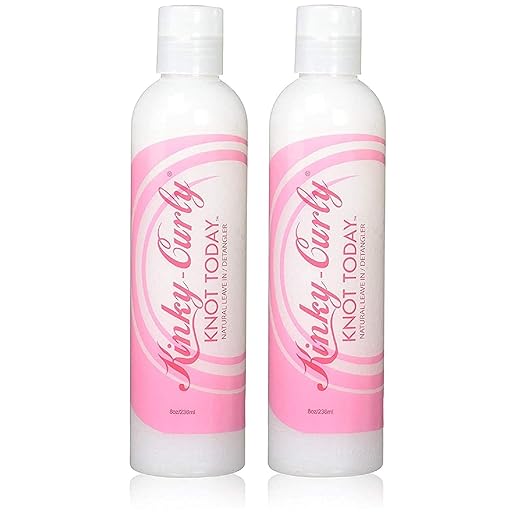
Create “slip” before you touch tangles: apply conditioner to wet sections, then add a little water and finger-detangle first. Slip reduces friction, lowers snap-off, and helps keep hydration inside the cuticle so frizz doesn’t spike after drying. Amazon options with strong glide: Kinky-Curly Knot Today (great detangling slip) and TGIN Triple Moisture Replenishing Conditioner (moisture-forward; pairs well if you also use a strengthening mask on another wash day).

Handle lengths like delicate fabric: detangle in 4–6 sections, start from ends, and move upward using a wide-tooth comb or a flexible detangling brush. Keep tension low–if the tool doesn’t move easily, add more conditioner and water instead of pulling. Plan a trim every 8–12 weeks (or sooner if you see white dots and splits), because split ends travel upward and undo all strengthening work.
Use lukewarm water to cleanse (around 36–38°C / 97–100°F) and finish with a cool rinse (about 18–22°C / 64–72°F) to help the cuticle lie flatter, which improves shine and reduces frizz. If your water is hard, add a chelating step monthly to support moisture retention and elasticity; Amazon choice: Malibu C Hard Water Wellness Shampoo (use occasionally, then follow with deep hydration).
To reinforce weak areas without overdoing protein, rotate a keratin/protein mask every 1–2 weeks and a deep hydration mask on the other wash. Amazon examples: Aphogee Keratin 2 Minute Reconstructor (quick strengthening) and SheaMoisture Raw Shea Butter Deep Moisturizing Masque (moisture-heavy).
Repair Strategy: Protein vs Moisture Balance and How to Schedule Them (Weekly Map)
Use this rule first: if strands feel mushy, overly stretchy, and won’t hold shape, add protein; if they feel stiff, rough, and snap with little bend, increase moisture and conditioning. A quick sink test: gently stretch a wet strand–good elasticity means it extends slightly and returns; too much stretch = needs keratin/protein support; no stretch = needs hydration and softness.
Protein sessions work by filling weak spots in the cuticle with amino acids (often labeled as keratin, hydrolyzed wheat/silk, collagen). Use them sparingly: most people do best with 1 targeted treatment weekly or every other week. Overdoing protein can increase rigidity and worsen snapping, while too much hydration without structure can cause “over-soft” strands and extra frizz because the fiber can’t hold a smooth surface.
Moisture sessions should focus on water + humectants + sealing. Look for glycerin, panthenol, aloe, hyaluronic acid, and then a light oil/cream to lock in hydration. If you live in high humidity and frizz spikes, reduce strong humectants and lean on film-formers (polyquats) plus a silicone serum on ends.
Keep damage from spreading: schedule a micro-trim every 8–12 weeks (or sooner if ends split upward). A tiny dusting (2–4 mm) often preserves length better than waiting until splits travel.
| Day | Main Goal | What to Do | Signals to Adjust |
|---|---|---|---|
| Mon | Moisture + slip | Gentle wash, deep conditioning for 10–15 minutes; finish with a cool rinse. | If hair still feels rough after drying, add a leave-in for extra hydration. |
| Tue | Protect + calm frizz | Apply leave-in + light oil or serum on ends; avoid tight styles. | If frizz returns quickly, use a humidity shield (silicone-based). |
| Wed | Protein support | Apply a protein or keratin mask for 5–10 minutes; follow with a lightweight conditioner to restore softness. | If strands feel stiff, shorten protein time or switch to biweekly use. |
| Thu | Moisture refresh | Mist with a water-based spray, add cream to mid-lengths, seal ends lightly. | If hair feels sticky or limp, reduce heavy creams and switch to a lighter lotion. |
| Fri | Scalp + balance | Clarify lightly if buildup exists, then apply a deep moisture mask. | If dryness increases, clarify less often (every 2–4 weeks). |
| Sat | Low-manipulation day | Use a protective style; minimal brushing; sleep on a satin pillowcase. | If tangles form, add more slip (leave-in with cationic conditioners). |
| Sun | Assessment | Check ends; if splits appear, schedule a micro-trim. Note elasticity and overall feel. | Mushy feel = add protein next week; brittle feel = increase moisture-focused sessions. |
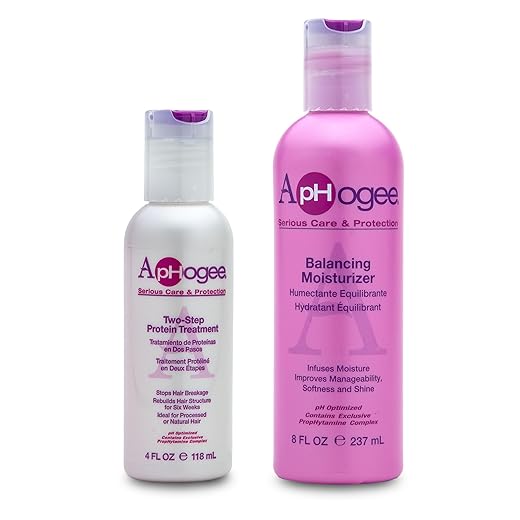
Amazon picks that fit this map: for protein/keratin support, try ApHogee Two-Step Protein Treatment (use carefully, then follow with rich conditioning) or SheaMoisture Manuka Honey & Yogurt Protein Power Treatment (gentler). For moisture and hydration, Olaplex No.8 Bond Intense Moisture Mask or It’s a 10 Miracle Deep Conditioner work well when used 1–2× weekly based on feel.
Product Picks by Goal: Bond Builders, Leave-Ins, Sealants, Heat Protectants, Satin Accessories
For weakened strands, start with a bond builder 1–2× per week: look for formulas that reinforce internal links while keeping protein and moisture balanced so you don’t lose elasticity. On Amazon, try Olaplex No.3 Hair Perfector (use on damp lengths for 10–30 minutes) or K18 Leave-In Molecular Repair Hair Mask (4 minutes, no rinse). If your texture already feels stiff, reduce protein-heavy steps and prioritize hydration and gentle conditioning between treatments.
For daily softness and slip, add a leave-in after washing: a light layer reduces tangles and frizz, especially at the mid-lengths and ends. Good Amazon picks include It’s a 10 Miracle Leave-In (easy detangling + heat prep) and Mizani 25 Miracle Milk (smooths, boosts manageability). If you color or straighten often, choose a leave-in that mentions keratin support or strengthening–just keep it paired with extra hydration so the finish stays flexible, not brittle.
For sealing ends and preventing dryness, use a sealant on the last 2–3 inches: oils and serums lock in moisture after leave-in. On Amazon, Moroccanoil Treatment works well for smoothing and shine, while OGX Argan Oil of Morocco Penetrating Oil is a budget-friendly option. Apply 1–3 drops, warm between palms, then press into ends; if split ends keep climbing, schedule a small trim every 8–12 weeks rather than piling on heavier sealants.
For heat styling, use a dedicated heat protectant every time: aim for 450°F/230°C labeling and a spray that distributes evenly to cut frizz and reduce surface damage. Amazon standouts: CHI 44 Iron Guard Thermal Protection Spray for flat irons and TRESemmé Thermal Creations Heat Tamer for blow-drying. Keep temperatures moderate, do fewer passes, and don’t rely on keratin sprays alone–protection + hydration beats “strong” but dry results.

For nighttime protection, switch to satin accessories: less friction helps maintain elasticity, keeps moisture in, and reduces morning tangles. From Amazon, choose a satin bonnet (look for adjustable band) or satin pillowcase (standard size, envelope closure).
Q&A:
My hair snaps when I brush it after washing. What can I do today to stop the breakage fast?
If your hair breaks right after washing, the biggest quick win is changing how you detangle while it’s most fragile. Use a microfiber towel or cotton T‑shirt to squeeze out water (no rubbing). Apply a leave‑in conditioner with slip, then detangle only when damp—not dripping—with a wide‑tooth comb or a detangling brush made for wet hair. Work in small sections, hold each section above the knot to reduce tension at the roots, and start from the ends moving upward. If you need extra glide, add a few drops of a lightweight oil (like argan or squalane) to the ends after the leave‑in. Also switch to a soft hair tie (silk scrunchie) and avoid brushing repeatedly through the day—most snapping happens from repeated friction and tugging.
Is my breakage coming from heat styling, and how do I keep using a blow dryer without my ends splitting?
Heat is a common cause when breakage shows up as rough, brittle ends and short broken hairs around the crown. You can still blow‑dry with less damage: (1) use a heat protectant that lists silicones (dimethicone/amodimethicone) or heat‑activated polymers; (2) dry in two stages—air‑dry to about 70–80% first, then blow‑dry; (3) keep the dryer moving and use a nozzle aimed down the hair shaft; (4) pick medium heat and a higher airflow rather than max heat; (5) finish with a cool shot to smooth the cuticle. Limit flat‑iron passes: one slow pass on fully dry hair is better than multiple quick passes. If your ends feel crunchy after heat, add a silicone serum to the last 2–3 inches for friction control.
What products actually help hair breakage—protein, masks, oils, bond builders? I’m confused about what to buy.
Pick products based on the type of damage you have. For chemical/heat damage (bleach, frequent coloring, hot tools), a bond-building treatment used weekly can help reduce breakage by reinforcing weakened internal links; follow with conditioner because bond products don’t always add softness. For hair that feels limp and stretches a lot when wet, try a light protein conditioner or mask 1–2 times per month; too much protein can make hair feel stiff and snap, so keep it occasional unless your hair clearly responds well. For friction-related breakage (tangles, rough ends), silicones and cationic conditioners (behentrimonium chloride, cetrimonium chloride) improve slip and reduce snapping during detangling. Oils don’t “repair” hair, but a small amount on the ends helps seal in moisture and reduce mechanical wear—especially before brushing or going outside in wind.
How can I tell if it’s breakage or shedding, and does the fix change?
Look at the hairs you’re losing. Shedding usually shows full-length strands with a tiny white bulb at the root; breakage shows shorter pieces, often without a bulb, and you may notice uneven ends or “halo” frizz. The approach differs: for shedding, focus on scalp and health factors (stress, illness, iron, thyroid, postpartum changes) and be gentle while it resolves. For breakage, focus on reducing friction and chemical/heat stress: gentler detangling, fewer tight styles, regular conditioning, heat protectant, and trimming damaged ends. If you’re suddenly losing large amounts of hair for more than 6–8 weeks or see widening part lines, it’s reasonable to check in with a dermatologist.



No Comment! Be the first one.