

Hair breakage can feel like a losing battle—you see the broken strands, the frayed ends, and the lack of length, but standard haircare doesn’t seem to help. The good news? Stopping hair breakage fast is possible when you address the root causes with targeted, immediate actions. This isn’t just about slapping on a deep conditioner; it’s a strategic plan combining emergency treatments, critical habit swaps, and product interventions that work from the inside out. Whether your breakage is from heat, chemicals, or mechanical damage, this definitive guide will show you exactly how to halt the damage in its tracks and start your journey to stronger, more resilient hair.
Table Of Content
- Understanding the Causes of Hair Breakage
- Common Factors That Weaken Strands
- Simple Actions to Repair and Prevent Breakage
- Why Your Hair Becomes Brittle and Breaks
- Hidden Causes That Weaken Strands
- Daily Care That Promotes Recovery
- How Stress Contributes to Hair Damage
- How Diet Affects Your Hair Strength
- Environmental Factors That Lead to Hair Breakage
- Common Environmental Stressors
- Preventive Measures and Repair
- Quick Solutions for Hair Breakage Prevention
- Best Hairstyles to Prevent Hair Damage
- Everyday Protective Styles
- Preventive Measures and Care
- Q&A
- What are the main causes of hair breakage?
- Can changing my shampoo really reduce hair breakage?
- How often should I trim my hair to prevent breakage?
- Are heat styling tools damaging to hair, and is there a way to use them safely?
- Do diet and supplements play a role in strengthening hair?
- Like this
- Related
- Related Posts



Begin by restoring moisture–dry strands are the first sign of stress and damage. If you want to stop hair breakage fast, apply a nourishing mask rich in natural oils or proteins at least twice weekly. This simple routine supports internal fiber balance and improves surface smoothness. Skip hot styling tools when possible, as excess heat drains hydration and weakens structure.
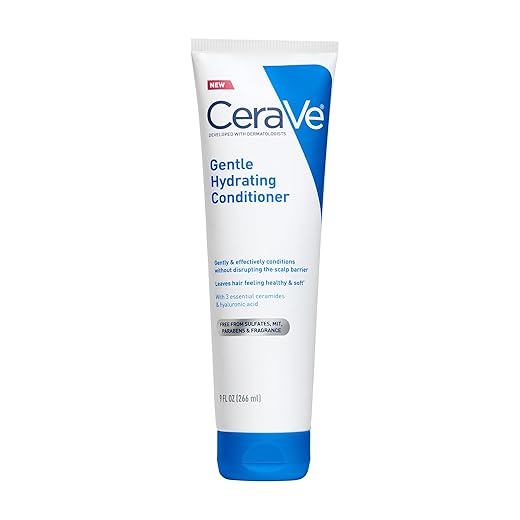
Daily care should focus on prevention. Use a gentle, sulfate-free cleanser to protect the scalp’s natural barrier and encourage steady growth. Always follow with a conditioner designed to strengthen each strand. Detangle with a wide-tooth comb while the conditioner is still on to reduce breakage and maintain elasticity.
Choose a targeted treatment containing amino acids or keratin to rebuild internal bonds. These components repair existing damage while reinforcing resistance to future stress. Combine this with balanced nutrition–protein, zinc, and vitamins B and E–to enhance internal health and support consistent regeneration.
Protecting from friction and dehydration overnight accelerates visible improvement. Wrap strands in silk or satin and apply a lightweight hydrating serum before sleep. Such steps sustain moisture, reduce split ends, and create a foundation for continuous growth and resilience.
Understanding the Causes of Hair Breakage

Start by identifying what triggers the damage. Daily habits such as tight hairstyles, harsh brushing, or frequent coloring often weaken strands from root to tip. The solution begins with gentle care–use a soft microfiber towel instead of rubbing with cotton and avoid elastic bands that pull on delicate fibers.
Common Factors That Weaken Strands
- Heat styling–Frequent use of straighteners or curling irons burns natural keratin and reduces elasticity. Always use a thermal protector before exposure.
- Chemical treatments–Bleaching, coloring, and relaxers strip the natural lipid barrier, making the surface brittle. Limit chemical sessions and use protein-based treatment masks between appointments.
- Moisture imbalance–Lack of hydration disrupts fiber strength. Use leave-in conditioners enriched with aloe or argan oil to restore balance.
- Poor diet–Low intake of iron, zinc, or biotin affects new strand growth. A balanced diet supports overall health and resilience.
Simple Actions to Repair and Prevent Breakage
- Apply a weekly repair mask containing keratin or collagen. Products like Olaplex No.3 or K18 Leave-In Molecular Repair Mask help rebuild internal bonds.
- Choose a nourishing oil treatment–coconut, castor, or jojoba oil–to strengthen and seal moisture. These options support long-term prevention of split ends.
- Use a silk pillowcase to minimize friction overnight and promote smoother texture.
- Trim regularly to remove weak or split sections, allowing healthier growth to continue.
Consistent care and small adjustments in daily habits make visible differences. Focusing on protection, hydration, and targeted treatment builds a solid base for lasting strand health and strength.
Why Your Hair Becomes Brittle and Breaks
Dryness is the main trigger of brittleness, so begin with restoring moisture. Overwashing, heated tools, and strong shampoos strip the natural oils that keep fibers flexible. Switch to a sulfate-free cleanser and follow every wash with a deep conditioner. Products like SheaMoisture Intensive Hydration Mask or Briogeo Don’t Despair, Repair! are great for sealing hydration and reducing damage.
Hidden Causes That Weaken Strands
Stress, hormonal changes, and lack of nutrients can slow growth and weaken structure. Include foods rich in omega-3s, vitamin E, and biotin to support inner health. Regular trims remove frayed ends, preventing further splitting and breakage. Avoid tight braids or ponytails that pull and cause tension near the scalp.
Chemical coloring or bleaching breaks protein bonds, leaving strands fragile. Apply a protein-rich treatment weekly to strengthen and rebuild fibers. Options such as Olaplex No.3 or Redken Acidic Bonding Concentrate work well for at-home recovery. Limit heat styling to once or twice a week and always use a heat protectant spray before applying any tool.
Daily Care That Promotes Recovery
Consistent care supports both prevention and long-term repair. Choose lightweight oils–like argan, castor, or marula–to lock in moisture without weighing strands down. Sleep on a satin pillowcase to reduce friction and preserve smoothness. Gentle habits and the right products create lasting protection, promoting steady growth and natural resilience.
How Stress Contributes to Hair Damage
High stress levels trigger hormonal shifts that slow growth and weaken follicles, making strands more fragile. To counter this, focus on consistent care routines that calm both scalp and mind. Daily scalp massage using natural oils–like rosemary or peppermint–boosts blood flow and supports overall health. These small actions restore balance and reduce the physical impact of stress on your strands.
Stress also affects natural oil production, leading to dryness and loss of moisture. To correct this imbalance, add hydrating masks or leave-in conditioners rich in shea butter, argan oil, or ceramides. Products such as Moroccanoil Intense Hydrating Mask or Mielle Organics Avocado Moisturizing Hair Milk help lock in hydration and restore flexibility. Consistent use keeps the cuticle smooth and prevents stress-related dullness.
For deeper repair, use a bond-restoring treatment once a week. Options like K18 Molecular Repair Leave-In or Olaplex No.3 rebuild internal structure and strengthen weakened fibers from within. Pair these treatments with balanced sleep, hydration, and magnesium-rich foods to support both scalp and body recovery. Physical and emotional balance directly influences strand condition and resilience.
Long-term prevention requires both inner and outer adjustments. Meditation, yoga, or short daily walks reduce cortisol levels–the hormone responsible for stress-related damage. Combine these habits with gentle detangling, reduced heat exposure, and nourishing oils. With steady care, you can protect your scalp, encourage steady growth, and restore natural shine and strength.
How Diet Affects Your Hair Strength
Nutrition directly influences strand resilience and growth. To strengthen weak fibers, focus on proteins, omega-3 fats, and zinc. Eggs, salmon, lentils, and nuts provide the building blocks needed for steady regeneration and repair. A lack of these nutrients often leads to thinning, breakage, and dull texture, making dietary balance as important as topical care.
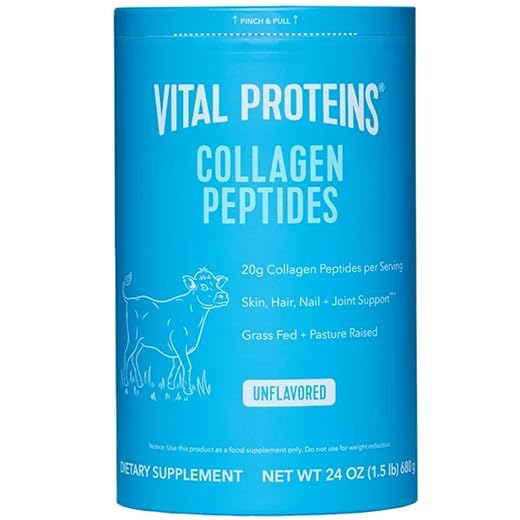
Hydration supports internal moisture balance, so drink enough water daily and include foods with high water content like cucumbers, oranges, and spinach. These natural sources help keep strands elastic and less prone to damage. Supplements such as biotin or collagen can fill nutritional gaps if your diet lacks variety. Popular options on Amazon include Sports Research Biotin and Vital Proteins Collagen Peptides.
Iron and vitamin D are key for follicle health and cell renewal. Low levels of either can slow growth or trigger shedding. Combine leafy greens with lean meats or fortified cereals to maintain steady energy delivery to roots. B-complex vitamins also support scalp circulation and strengthen keratin production, boosting overall density and shine.
Balanced meals work as a long-term treatment against fragility. Pair a nutrient-rich diet with gentle care routines–such as weekly oiling, scalp massages, and heat protection–to enhance the visible results of internal nourishment. This approach ensures lasting resilience, natural shine, and stronger strands from root to tip.
Environmental Factors That Lead to Hair Breakage
Protect strands from sun, wind, and pollution to maintain moisture and reduce damage. UV rays weaken the cuticle and strip natural oils, while strong winds cause tangling and friction. Using a leave-in sunscreen spray or lightweight protective serum helps shield fibers and supports long-term health. Products like Sun Bum Hair & Scalp Mist or Aveda Sun Care Protective Hair Veil are effective options.
Common Environmental Stressors
- Sun exposure–Prolonged UV light breaks down keratin, leading to brittleness. Apply protective treatments before outdoor activities.
- Wind and friction–Tangles and rubbing against clothing or accessories weaken fibers. Braiding loosely or using silk scarves reduces stress.
- Pollution–Dust and airborne particles attach to strands, causing dryness and dullness. Clarifying shampoos with gentle cleansing agents remove buildup without stripping oils.
- Humidity fluctuations–Rapid changes in moisture can make strands swell and shrink, increasing breakage. Humidity-resistant serums or anti-frizz creams help maintain balance.
Preventive Measures and Repair
- Use weekly hydrating masks or oil treatments to restore lost moisture and strengthen weakened areas. Examples include Moroccanoil Intense Hydrating Mask or Briogeo Don’t Despair, Repair!.
- Wear protective styles and hats when outdoors to limit friction and UV exposure.
- Incorporate scalp massages with nutrient-rich oils to stimulate growth and improve overall health.
- Trim ends regularly to prevent small splits from escalating into major damage.
Consistent care and preventive routines help maintain elasticity, restore repair where needed, and support long-term resilience. Balancing protection with nourishing treatments ensures stronger strands and healthy growth despite environmental challenges.
Quick Solutions for Hair Breakage Prevention
Strengthen strands immediately by applying a deep conditioning treatment 2–3 times per week. Masks with keratin or hydrolyzed proteins, like Olaplex No.3 or Briogeo Don’t Despair, Repair!, rebuild internal bonds and reduce damage. Leave-in conditioners rich in argan or jojoba oil maintain moisture and prevent dryness-related splits.
Daily care routines also play a critical role in prevention. Detangle gently using a wide-tooth comb while hair is damp to avoid unnecessary pulling. Reduce heat styling and always apply thermal protectants. Products like TRESemmé Thermal Creations Heat Protectant Spray or HSI Professional Argan Oil Heat Protector shield fibers from heat-induced damage and support natural growth.
Incorporate light repair oils into your routine to nourish ends and strengthen fragile areas. Options such as Moroccanoil Treatment or Mielle Organics Mint Almond Oil seal in hydration, improve shine, and reduce brittleness. Consistent application prevents future splits while enhancing overall health and elasticity.
Regular trims combined with nutrient-rich diets further enhance resilience. Proteins, vitamins A, C, and E, and omega-3 fatty acids support root-to-tip growth and improve strand density. Together with protective care and weekly treatments, these measures create strong, nourished strands that resist damage and maintain lasting moisture.
Best Hairstyles to Prevent Hair Damage
Protect strands from tension and friction by choosing gentle styles that reduce stress on follicles. Loose braids, low buns, and soft ponytails minimize pulling and help maintain moisture levels. Avoid tight elastics or hair accessories with metal parts that can cause snapping. For extra protection, use silk scrunchies or spiral hair ties, which are widely available on Amazon.

Everyday Protective Styles
Simple, low-tension arrangements allow natural growth and reduce damage. Styles such as loose twists, top knots, and soft buns distribute pressure evenly across strands. Pair these styles with leave-in conditioners or lightweight treatment oils like Moroccanoil Treatment or Mielle Organics Mint Almond Oil to keep strands hydrated and flexible.
Preventive Measures and Care
Regular rotation of protective styles prevents over-stressing specific sections. Incorporate weekly repair masks to restore elasticity and support overall health. Oils and serums applied before styling lock in moisture and reduce friction. Products like Briogeo Don’t Despair, Repair! or Olaplex No.3 are ideal for maintaining strength while minimizing damage.
| Hairstyle | Benefit | Recommended Product |
|---|---|---|
| Loose Braid | Reduces tension and promotes even growth | Silk Scrunchies |
| Low Bun | Protects ends and preserves moisture | Moroccanoil Treatment |
| Soft Ponytail | Prevents snapping and encourages strength | Mielle Organics Mint Almond Oil |
| Loose Twists | Minimizes friction and supports repair | Briogeo Don’t Despair, Repair! |
Combining protective styles with consistent care and targeted treatment ensures long-term resilience. Regular hydration, gentle handling, and rotation of styles reduce damage while promoting healthy growth and stronger, more flexible strands.
Affiliate Disclaimer: Some of the products mentioned in this article are linked to affiliate programs. This means that if you make a purchase through these links, we may earn a small commission at no extra cost to you. Our recommendations are based on research and personal experience to help you choose products that effectively support care, repair, and strengthen strands while promoting healthy growth.
Q&A:
What are the main causes of hair breakage?
Hair breakage can result from multiple factors, including mechanical stress from brushing or styling, chemical treatments such as coloring or perming, and environmental exposure like sun and wind. Nutritional deficiencies, stress, and inadequate hair care routines also contribute to weakened hair strands that break more easily.
Can changing my shampoo really reduce hair breakage?
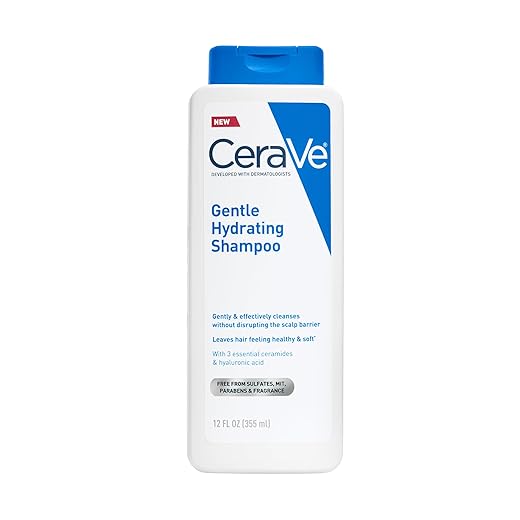
Yes, switching to a gentle, sulfate-free shampoo can help. Harsh shampoos strip the hair of natural oils, leaving it dry and fragile. Choosing a formula with nourishing ingredients, such as keratin, proteins, or natural oils, helps maintain moisture and strengthens hair over time, reducing the chance of breakage.
How often should I trim my hair to prevent breakage?
Trimming every six to eight weeks can limit split ends, which, if left untreated, travel up the hair shaft and cause more breakage. Even small trims remove damaged ends, promoting the appearance of healthier, thicker hair without drastically affecting length.
Are heat styling tools damaging to hair, and is there a way to use them safely?
Heat styling tools can weaken hair by stripping moisture and breaking down protein bonds, which increases breakage. To reduce damage, use a heat protectant spray, avoid using the highest temperature settings, and limit frequent styling. Air drying or braiding hair instead of constant heat application can also protect hair integrity.
Do diet and supplements play a role in strengthening hair?
Yes, nutrition has a strong impact on hair strength. Protein, iron, zinc, and vitamins like biotin, A, C, and D are key to hair health. A balanced diet with these nutrients supports hair growth and resilience. In some cases, supplements may help, especially if dietary intake is insufficient, but it is best to consult a healthcare professional before starting them.

Other Articles


3 Comments
Comments are closed.
It works! Better than Head & Shoulders w/ Zinc Pyrithrone. Wow! Saved my scalp and hair!I have 1/2a/2b hair—fine, medium density, low porosity, and protein sensitive, with a very sensitive scalp.I used to use Head & Shoulders (I tried everything they offer) or Dove’s Dryness & Itch Relief dandruff shampoo. Both contain zinc pyrithione, and heavy-handed synthetic-smelling fragrance. Yuck. They both also left this gross residue on my hair, where my hair felt both dry and greasy. Double yuck. And my head would still get itchy by the next day! Triple yuck! So… not exactly a win-win for any part of my head. But I’d tried so many shampoos and these were the best options :(On the other hand, this CeraVe Hydrating Shampoo is fragrance-free, doesn’t contain zinc pyrithione and leaves my scalp itch-free all day, every day (!!!) and my hair clean and bouncy.I don’t know how they did it, but I’m so grateful!!! 🙏 You have no idea. I was going insane trying to find something that would work for me. I tried SO MANY shampoos and conditioners. I thought Target was going to ban me from how many I had tried and returned.CeraVe also worked well in both hard and soft water for me. Obviously it performed better in soft water, but in hard water I successfully paired it with a clarifying shampoo and chelator (as needed): L’Oréal’s Hard Water Clarifying Shampoo and MalibuC Hard Water packets. I had to be careful with that combo though. It did a great job at stripping my hair clean, but if I used it too often, it absolutely wrecked my scalp.I now have softened water, and I pair the CeraVe shampoo with L’Oreal’s Curl Conditioner or L’Oreal’s Restore Conditioner (aka their hard water conditioner) and that’s been working very well for me. If I need to clarify every so often, I just shampoo twice with the CeraVe shampoo, and that does the trick.Anywho, I recommend giving this shampoo a shot! Hope it works for you too!And CeraVe…. DO NOT STOP MAKING THIS AND DO NOT CHANGE THE FORMULA.
Finally, a Shampoo That Cleans Without Stripping – Perfect for Sensitive Scalps. Calmed My Scalp, Balanced Oil, and Didn’t Trigger Hair Loss – A Truly Gentle Formula That WorksI’ve been using the CeraVe Gentle Hydrating Shampoo daily for about 4 weeks, and it’s exceeded expectations in every category that matters — especially for someone like me with a sensitive scalp, thinning hair, and a tendency toward oiliness.Hair LossSince switching to this shampoo, I’ve noticed fewer hairs in the drain and on my brush, which is a big deal for me. My scalp feels healthier and less inflamed, which I suspect is helping with hair retention.OilinessI usually need to wash my hair daily because of oil buildup, but this shampoo has balanced my scalp’s oil production. My hair stays fresher for longer, and I can now go 2 full days without it looking greasy — a first for me.ScentThere is no added fragrance, which I appreciate. It smells neutral — almost clinical — and fades immediately. Perfect if you’re sensitive to strong scents or want to avoid unnecessary irritants.EffectivenessDespite being low-foaming, it cleanses thoroughly. My scalp feels refreshed but not stripped. It removes sweat, light product buildup, and oil without leaving any residue. I’ve had no itchiness or flakiness since using this consistently.ColorI have color-treated hair, and this shampoo has not caused any fading or dullness. It’s sulfate-free, so it’s safe for colored hair. My hair still looks vibrant and feels soft.Hair CleannessEven without a rich lather, my hair feels thoroughly clean after each wash. It rinses out easily and leaves no film or heaviness. I follow with a lightweight conditioner, and my hair feels smooth, hydrated, and manageable.Final Verdict:This shampoo delivers on every front — it’s gentle, effective, and safe for sensitive scalps and color-treated hair. It’s now my go-to for daily use. If you struggle with hair loss, excess oil, or irritation from traditional shampoos, this is worth trying.
Recommend this for psoriasis treatment. I noticed an improvement after the first wash. I have continued to use both the shampoo and conditioner and feel a difference in my scalp my psoriasis patches are improving and there is significantly less itching, and my hair feels and looks healthy and great.