


How to Start a Korean Skincare Routine is a question many skincare lovers ask when they want healthier, glowing skin without overwhelming their daily schedule. Known for its gentle approach, layered hydration, and focus on long-term skin health, Korean skincare emphasizes prevention rather than quick fixes. Whether you’re new to K-beauty or looking to build a routine that actually works for your skin type, understanding the core steps and key ingredients is essential. By learning how to start a Korean skincare routine the right way, you can create a simple, effective regimen that supports your skin barrier, boosts radiance, and delivers lasting results.
Table Of Content
- Understanding the Core Philosophy: More Than Just Products
- The “Skin-First” Mindset: Listening Before Layering
- The Science Behind Product Layering
- Mastering the Daily Dialogue with Your Complexion
- Building Your Foundational Routine: The Basic 4-5 Steps
- Your First Cleanse: The Key to a Fresh Canvas
- The Second Cleanse: Avoiding the Tight, Squeaky-Clean Feeling
- Question-Answer
- I have sensitive skin that gets red easily. Can I still follow a Korean skincare routine?
- Do I really need to use both an oil cleanser and a water-based cleanser every night?
- What is the difference between a toner, an essence, and a serum? They all seem like thin liquids.
- My skin feels oily. Will using all these layers make it worse?
- How long should I wait between applying each product?
- I have very sensitive skin that gets red easily. Can I still follow a Korean skincare routine, and what should I avoid?
- Master double cleansing: oil cleanser first to dissolve makeup and sunscreen, then a gentle water-based cleanser to remove impurities.
- Layer hydration: apply toner, then essence, then serum, moving from thinnest to thickest to maximize absorption and benefits.
- Always finish with broad-spectrum sunscreen in the morning; protection is non-negotiable to prevent long-term damage.

Forget the ten-step stereotype; a sustainable approach hinges on mastering the double cleansing method first. Begin with an oil-based cleanser like the Banila Co Clean It Zero Cleansing Balm to dissolve sunscreen and makeup, then follow with a water-based formula such as the COSRX Low pH Good Morning Gel Cleanser to clear away impurities. This foundational duo ensures a perfectly clean canvas, preventing clogged pores and allowing every subsequent product to perform effectively.

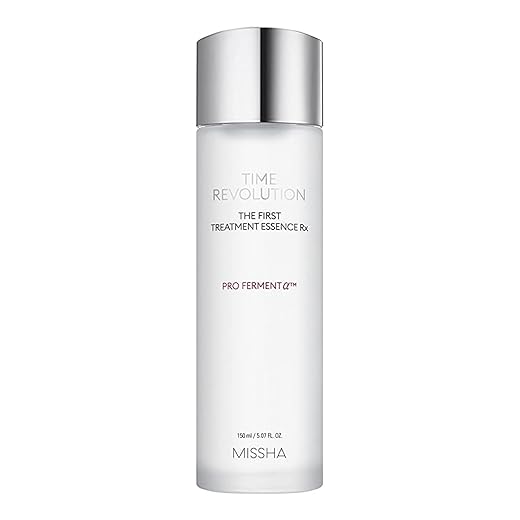
Immediately after patting your face dry, apply a hydrating toner like Klairs Supple Preparation Unscented Toner to rebalance your skin’s pH and boost absorption. The next critical layer is the essence, a lightweight, nutrient-rich fluid that kickstarts cellular renewal; the Missha Time Revolution The First Treatment Essence is a cult-favorite for this step. Follow this with a targeted serum–for instance, the COSRX Advanced Snail 96 Mucin Power Essence for intense hydration and repair–to deliver concentrated active ingredients deep into the skin.
Incorporate exfoliation cautiously, no more than twice weekly, using a gentle chemical exfoliant like the Some By Mi AHA-BHA-PHA 30 Days Miracle Toner to slough off dead cells without abrasion. Regardless of weather or skin type, your non-negotiable final morning step is a broad-spectrum sunscreen such as the Beauty of Joseon Relief Sun: Rice + Probiotics SPF50+ PA++++. This single habit protects your investment and prevents long-term damage, solidifying the entire regimen’s purpose.

Understanding the Core Philosophy: More Than Just Products

Think of your regimen as a methodical layering of hydration, not a race to apply products. The goal is to build a resilient barrier by addressing specific concerns with targeted formulas, allowing each layer to absorb fully before the next.
This approach fundamentally shifts the purpose of each product. A toner isn’t for removal but for immediate hydration and pH balance, prepping the skin to receive active ingredients. The serum is your targeted treatment hub, where you address concerns like hyperpigmentation or fine lines. A product like the COSRX Snail Mucin 96% Power Repairing Essence is a classic example of a hydrating treatment serum. The moisturizer then seals everything in, and sunscreen is the non-negotiable final shield.

Key principles that define this methodology:
- Double Cleansing is Foundational: An oil-based cleanser followed by a water-based one ensures a perfectly clean canvas without compromise to the skin’s integrity.
- Exfoliation is Strategic, Not Aggressive: It involves gentle chemical exfoliants like AHAs or BHAs used 1-3 times weekly, not daily scrubbing. The Isntree Chestnut 2% BHA Clear Liquid is a frequently cited example for this targeted step.
- Hydration is a Multi-Step Process: It is achieved through successive layers of humectant-rich products (toner, essence, serum) before final occlusion with a moisturizer.
- Protection is Paramount: Daily application of a broad-spectrum sunscreen, like the Beauty of Joseon Relief Sun: Rice + Probiotics SPF50+ PA++++, is considered the most crucial anti-aging and skin-health step.

Ultimately, success lies in listening to your skin’s daily needs and adjusting the number of layers or product types accordingly, viewing your complexion as a living ecosystem to be nurtured, not just a surface to be cleaned.
The “Skin-First” Mindset: Listening Before Layering
Observe your complexion’s behavior each morning: is it tight, oily, or reactive? This dictates your entire ritual. A “skin-first” approach means your evening double cleansing might use a balm like Banila Co Clean It Zero on a dry day, but switch to a micellar water if your barrier feels compromised.
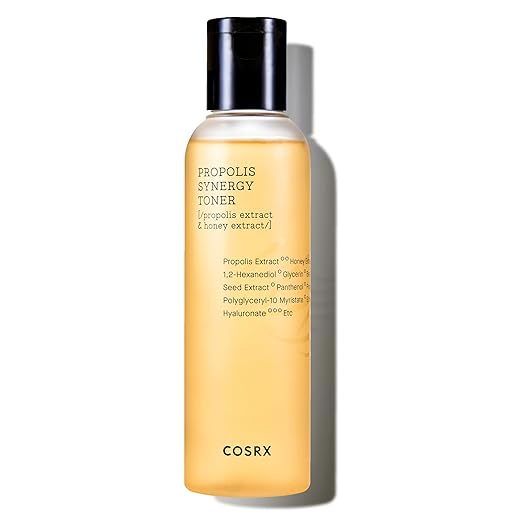
Select a toner not for astringency, but for targeted hydration. For dehydrated skin, a hydrating toner like COSRX Propolis Synergy Toner applied to damp skin is more effective than three random serum layers. Exfoliation is scheduled based on need, not habit; use a gentle AHA like Some By Mi AHA-BHA-PHA 30 Days Miracle Toner only when texture appears, not every Wednesday.
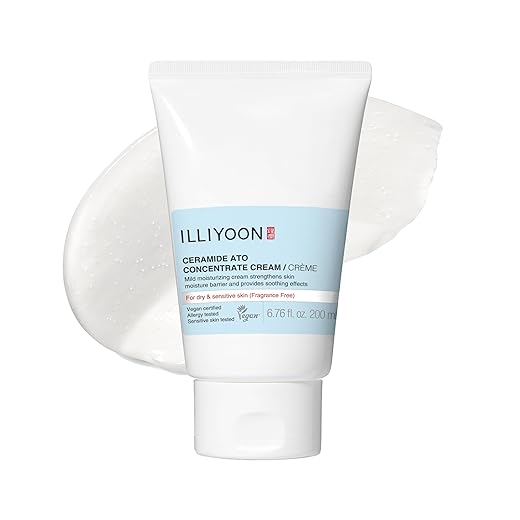
Your final daytime layer, sunscreen (e.g., Beauty of Joseon Relief Sun), is non-negotiable armor. At night, a moisturizer like ILLIYOON Ceramide Ato Concentrate Cream seals everything in. The product order is sacred, but the quantity and frequency are fluid, responding directly to your skin’s daily language.
The Science Behind Product Layering
Apply your products from the thinnest, water-based consistency to the thickest to ensure each formula can penetrate effectively. A heavyweight moisturizer applied before a lightweight serum creates a barrier that blocks active ingredients, rendering them useless. This method, often called the “layering rule,” maximizes the function of every item in your regimen.
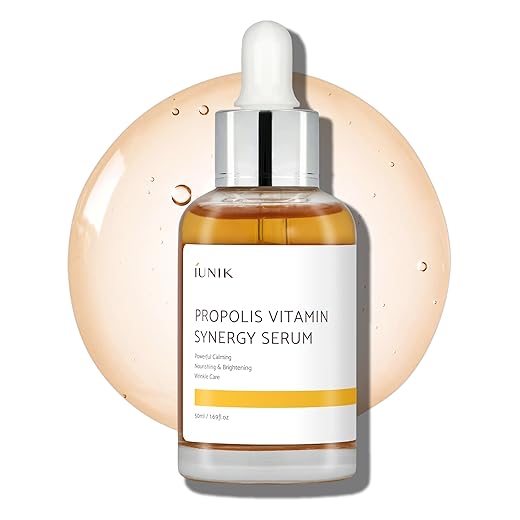
Following the correct sequence directly impacts hydration levels. A hydrating toner, like COSRX Full Fit Propolis Synergy Toner, prepares the skin by balancing pH and creating a receptive canvas. Essence then delivers a concentrated burst of nutrients, while a targeted serum, such as the iUNIK Propolis Vitamin Synergy Serum, addresses specific concerns like brightness or wrinkles. Skipping these watery layers and going straight to a cream can leave skin under-hydrated, as occlusive moisturizers seal in whatever is underneath–good or nothing.
Exfoliation timing is also critical. Chemical exfoliants (AHAs/BHAs) should be used after initial cleansing and before toner on designated nights. This placement ensures maximum contact with bare skin for optimal efficacy without other products interfering or causing irritation. Never apply potent actives like these after richer steps.
| Incorrect Order | Correct Order | Key Reason |
|---|---|---|
| Moisturizer before Serum | Serum before Moisturizer | Serum’s small molecules cannot penetrate the cream’s occlusive seal. |
| Oil Cleanser after Water Cleanser | Oil Cleanser (first) then Water Cleanser | The double cleansing method requires oil to dissolve makeup and sunscreen first, followed by a water-based cleanser for impurities. |
| Essence after Cream | Toner, Essence, then Cream | Essence’s hydrating properties are wasted if they cannot reach the skin and are instead sealed out by a moisturizer. |
Ultimately, proper layering is not about ritual but results. It transforms a collection of products into a synergistic system where each step builds upon the last, ensuring you receive the full benefit of your investment. Think of it as constructing a house: you need the foundation (toner/essence) before the walls (serum) and finally the roof (moisturizer) for a stable, functional structure.
Mastering the Daily Dialogue with Your Complexion
Begin each morning by pressing clean palms to your face; a tight, papery feel signals a cry for intense hydration, while noticeable slickness suggests a lighter touch is needed.
After your double cleansing ritual, observe how your skin reacts to a cotton pad with toner. If it absorbs instantly, layer a hydrating essence like COSRX Advanced Snail 96 Mucin Power Essence immediately. If the toner sits on the surface, proceed directly to a targeted treatment.

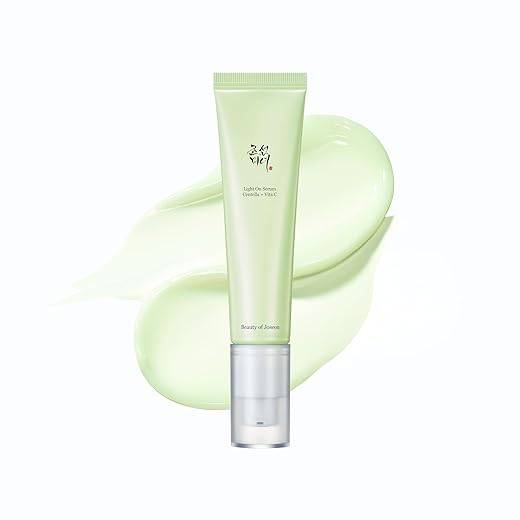
Adjust your serum selection daily. A red, irritated area benefits from a centella asiatica formula, while a dull patch calls for a drop of a vitamin C treatment like the Beauty of Joseon Light On Serum Vitamin C.
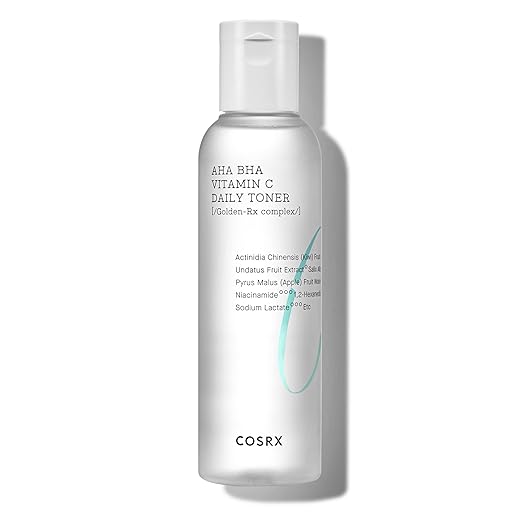
Limit exfoliation to moments your texture feels rough or congested, not by a rigid schedule. A gentle AHA/BHA peel, such as the COSRX AHA/BHA Clarifying Treatment Toner, used only when needed, prevents barrier damage.
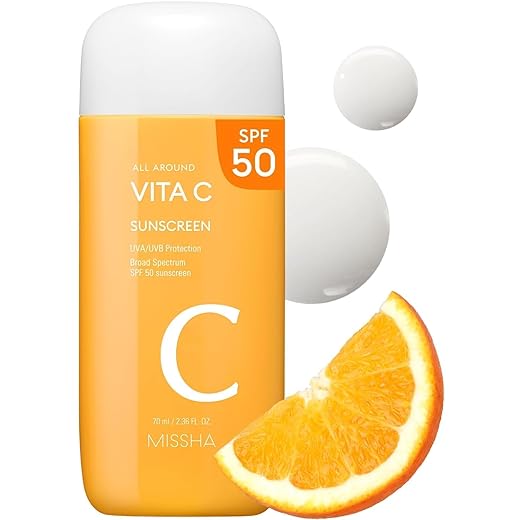
Your final step, sunscreen, is non-negotiable, but its formulation can change. On dehydrated days, opt for a moisturizing option like Beauty of Joseon Relief Sun. For oily-feeling skin, a lightweight, matte fluid such as the MISSHA All Around Safe Block Soft Finish Sun Milk is ideal.
Building Your Foundational Routine: The Basic 4-5 Steps
Commit to a consistent, nightly double cleansing ritual. First, use an oil-based balm like Banila Co Clean It Zero to dissolve sunscreen and makeup. Follow immediately with a gentle water-based foaming cleanser to remove residual impurities without stripping the skin.
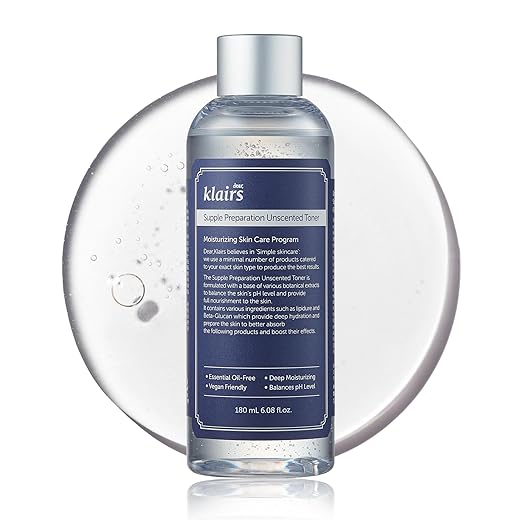
Apply a hydrating toner to a cotton pad and swipe across your face, or pat directly with your hands. This step, like using Klairs Supple Preparation Unscented Toner, rebalances your skin’s pH and prepares it to absorb subsequent treatments more effectively.
Target specific concerns with a treatment serum. For brightening, try a product with vitamin C; for intense hydration and repair, a snail mucin or hyaluronic acid essence like COSRX Advanced Snail 96 Mucin Power Essence delivers concentrated ingredients directly into the skin.
Seal everything in with a moisturizer suited to your skin type. This final layer locks in the hydration from your essence and serum, creating a protective barrier. For daytime, your non-negotiable fifth step is a broad-spectrum sunscreen like Beauty of Joseon Relief Sun to prevent photodamage.
Incorporate gentle exfoliation once or twice weekly, not daily. Use a chemical exfoliant with AHAs or BHAs on clean, dry skin after your first cleanse, then proceed with your toner. This clears dead cells and enhances product penetration without physical abrasion.
Your First Cleanse: The Key to a Fresh Canvas
Select an oil-based or balm formula as your initial cleanse to effectively dissolve long-wear sunscreen and waterproof makeup without stripping the skin. Look for ingredients like grapeseed oil or shea butter that melt upon application. The cleansing step is non-negotiable; a residue-free base ensures every subsequent product, from toner to serum, can perform optimally.
For a practical start, consider the Banila Co Clean It Zero Cleansing Balm, a cult-favorite that transforms from a balm to a milky oil. Massage a dime-sized amount onto dry skin for 60 seconds, then emulsify with lukewarm water. This method prioritizes gentle dissolution over harsh rubbing, preserving your skin’s barrier and preventing tugging that can lead to irritation.
Follow this first step immediately with a water-based foaming or cream cleanser. This double-cleanse method guarantees no oily film remains to hinder hydration. The goal is a perfectly clean yet supple feel–tightness signals over-stripping. Your post-cleanse skin should readily absorb the essence and moisturizer that follow, locking in moisture and active ingredients.
Adjust your first cleanser choice based on your skin’s daily needs. On days with only sunscreen, a lighter cleansing oil like the Beauty of Joseon Ginseng Cleansing Oil may suffice. Avoid using physical scrubs or harsh exfoliation in this step; chemical exfoliants belong later in your regimen, not during makeup removal.

The Second Cleanse: Avoiding the Tight, Squeaky-Clean Feeling
Select a water-based cleanser with a low pH (around 5.5) and hydrating ingredients like hyaluronic acid or glycerin. A formula that creates a creamy lather or a gentle, non-foaming gel is often ideal for preventing that stripped sensation post-rinse.
After your oil-based first cleanse, apply the product to damp skin using gentle, upward circular motions for about 60 seconds before thoroughly rinsing with lukewarm water. The goal is a clean but comfortable canvas, not a taut one. Follow immediately with a hydrating toner to rebalance moisture levels.

For dry or sensitive skin, consider a milky cleanser like the Round Lab 1025 Dokdo Cleanser. Combination skin often benefits from a light foam like the COSRX Low pH Good Morning Gel Cleanser, used in the evening only if it doesn’t cause tightness. Remember, your double cleansing step should never compromise your skin barrier; if it feels tight, it’s likely too stripping for your current needs.
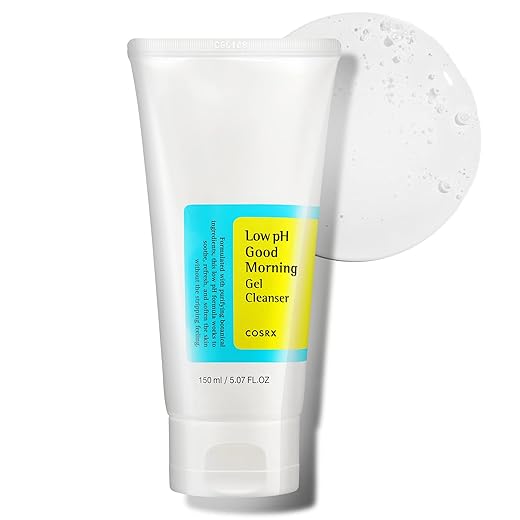
This step is foundational because a tight barrier cannot effectively absorb subsequent treatments like an essence or serum. A compromised barrier from harsh cleansing will also react poorly to actives or exfoliation. Your correctly chosen second cleanser sets the stage for all hydration from your moisturizer and protection from your daily sunscreen to perform optimally.
Question-Answer:
I have sensitive skin that gets red easily. Can I still follow a Korean skincare routine?
Yes, you can. Korean skincare strongly focuses on gentle, soothing ingredients, which is good for sensitive skin. The key is to introduce products one at a time and always patch test. Look for products with minimal fragrance and calming components like centella asiatica (cica), mugwort, or panthenol. Avoid harsh physical scrubs and strong acids initially. Start with just a gentle cleanser, a hydrating toner, and a simple moisturizer. Wait until your skin adjusts before adding any treatment steps like a serum. Listening to your skin’s reaction is more important than following every step.
Do I really need to use both an oil cleanser and a water-based cleanser every night?
For most people, especially if you wear makeup or sunscreen, using both is recommended. The oil cleanser breaks down and dissolves oil-based products like sunscreen, makeup, and sebum. The water-based cleanser then washes away sweat, dirt, and any residue. This two-step method, called double cleansing, ensures your skin is thoroughly clean without being stripped. If you have very dry skin or didn’t wear any makeup, you might skip the oil cleanse sometimes. But for a deep clean, both steps work together.
What is the difference between a toner, an essence, and a serum? They all seem like thin liquids.
This is a common point of confusion. While their textures can be similar, their purposes and formulations differ. A **toner** primarily balances your skin’s pH after cleansing and provides initial hydration. An **essence** is a lightweight treatment packed with active ingredients to improve skin health and texture over time; it’s often the heart of the routine. A **serum** is more concentrated and targeted, designed to address specific concerns like dark spots, deep wrinkles, or intense dryness. Think of it this way: toner preps and hydrates, essence nourishes and repairs, and serum treats and corrects.
My skin feels oily. Will using all these layers make it worse?
Not necessarily. Oily skin can often be a sign of dehydration—your skin produces excess oil to compensate for lack of moisture. A light, layered routine with water-based products can actually help balance oil production. Focus on gel-type cleansers, lightweight hydrating toners, and oil-free essences or serums with ingredients like niacinamide or tea tree extract. Use a light, gel-cream moisturizer. The goal is hydration without heaviness. Avoid skipping moisturizer, as that can trigger more oil. You might use fewer layers than someone with dry skin, but the principle of light hydration remains.
How long should I wait between applying each product?
Short waits are helpful but don’t need to be long. After cleansing, pat your face dry and apply toner immediately to damp skin—this helps with absorption. For layers after that (essence, serum, moisturizer), a wait time of about 30 seconds to a minute is enough for the product to absorb slightly before adding the next. The main rule is to apply products from thinnest to thickest consistency. The one exception is sunscreen: apply it as the absolute last step and let it set for 2-3 minutes before putting on makeup or going outside.
I have very sensitive skin that gets red easily. Can I still follow a Korean skincare routine, and what should I avoid?
Yes, you can absolutely adapt a Korean skincare routine for sensitive skin. The key is to choose products with minimal, soothing ingredients and introduce them slowly. Start with just a cleanser, moisturizer, and sunscreen for the first two weeks. Look for formulas labeled “for sensitive skin,” “fragrance-free,” and “hypoallergenic.” Avoid products with alcohol, essential oils, strong fragrances, and physical exfoliants (scrubs) initially. Ingredients like centella asiatica, panthenol, and madecassoside are excellent for calming redness. Always patch test a new product on your jawline for a few days before applying it to your whole face. Listen to your skin—if a product causes stinging or more redness, stop using it.



No Comment! Be the first one.