


How to Layer Biossance Skincare Products correctly can make the difference between glowing, balanced skin and products that never reach their full potential. Biossance formulas are designed to work together, but the order you apply them in matters just as much as the ingredients themselves. When products are layered incorrectly, even high-quality skincare can feel heavy, pill, or fail to deliver visible results.
Table Of Content
- Eyes: How to Layer Biossance Eye Products for Visible Improvements
- When to apply eye care in the routine: after serums, before moisturizer
- How much product to use: rice-grain dosing and avoiding overload
- Application technique: ring-finger tapping vs gentle gliding for different concerns
- AM layering with SPF: preventing pilling and makeup creasing around the orbital area
- PM layering: pairing with richer creams and facial oils without migration into eyes
- Biossance Skincare Layering: Summary Table
- Key Rules
- AM vs PM
- FAQ: How to Layer Biossance Skincare Products
- 1. What is the correct order to layer Biossance skincare products?
- 2. Can I use multiple Biossance serums in one routine?
- 3. Should Biossance facial oil be applied before or after moisturizer?
- 4. How can I prevent pilling when layering Biossance products?
- 5. Is Biossance skincare suitable for sensitive or reactive skin?
- Follow precise order: water-based serums → eye treatment → moisturizer → facial oil then SPF in the morning.
- Use one treatment serum per routine; alternate acids and peptides to avoid irritation and overlayering.
- Control amounts and technique: rice-grain dosing, wait 30–60 seconds between layers, tap gently to prevent pilling.
In this guide, you’ll learn how to layer Biossance skincare products step by step, based on texture, absorption, and skin-barrier science. We’ll cover the correct order for cleansers, essences, serums, eye creams, moisturizers, and oils—so each product absorbs properly and supports hydration, repair, and long-term skin health. Whether you’re new to Biossance or refining your routine, this layering method helps maximize results without irritation or wasted product.

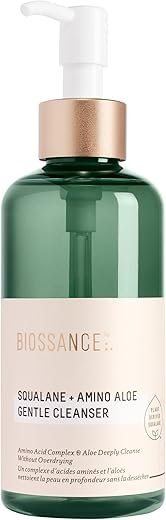
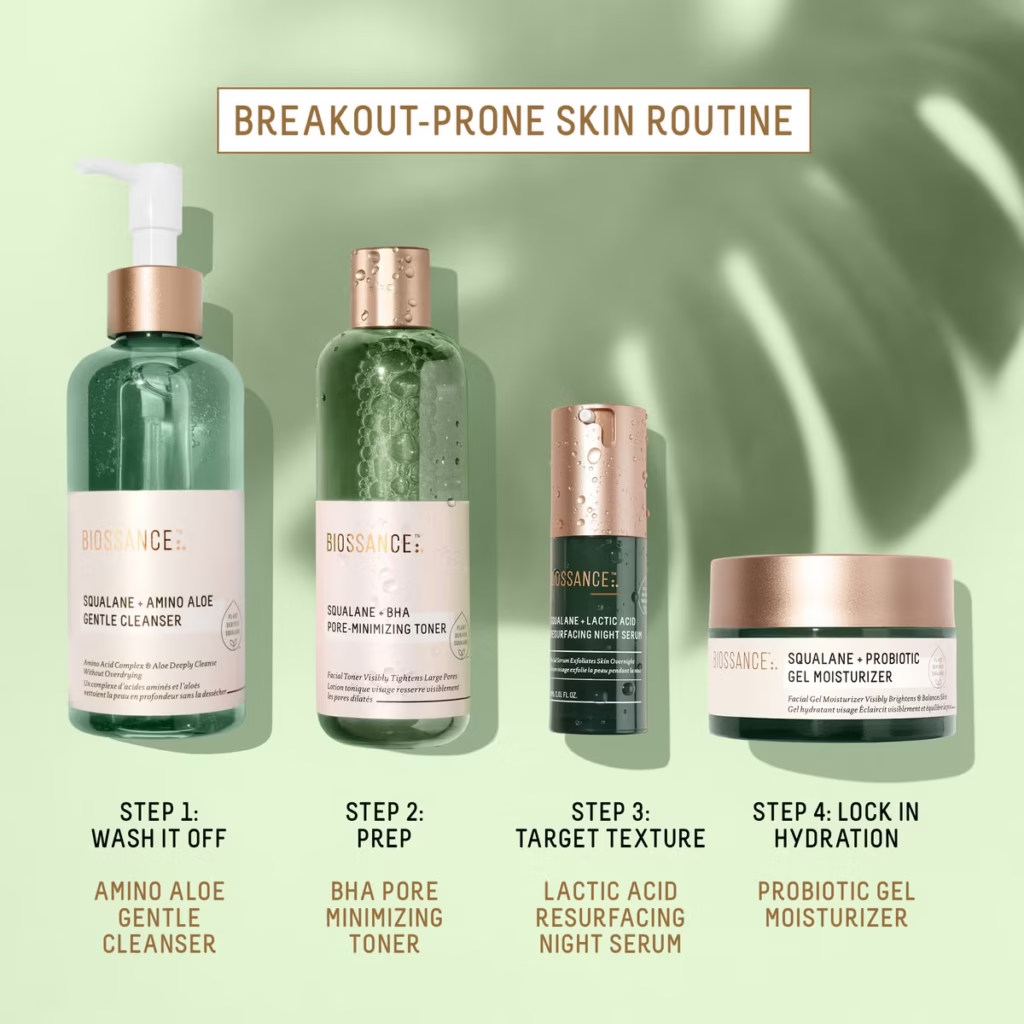
If your skin is reactive, keep it to 3–4 layers max: cleanse → hydrate → treat → seal. This order helps actives work effectively without triggering redness. On Amazon, Biossance Squalane + Amino Aloe Gentle Cleanser is a low-foam option to reduce friction; rinse with lukewarm water and stop at 30 seconds–more contact time is a common limitation that increases tightness.
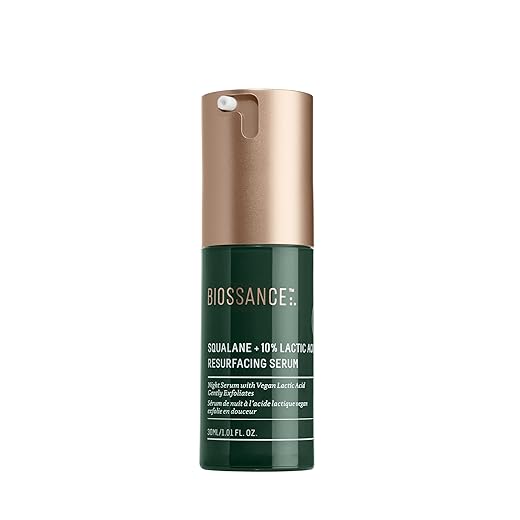
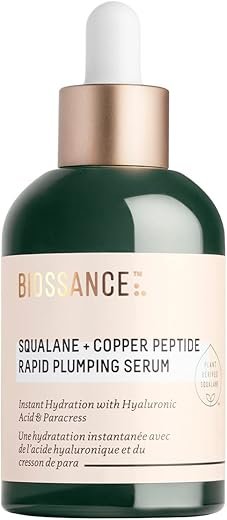
Select one treatment per routine instead of stacking everything. Use Biossance Squalane + 10% Lactic Acid Resurfacing Night Serum 2–3 nights weekly, then alternate with Biossance Squalane + Copper Peptide Rapid Plumping Serum on the other nights. If you notice stinging around the eyes, keep any acid 1–2 finger-widths away and buffer with a thin veil of squalane first; this simple control step prevents sensitization while preserving quality improvements in texture.
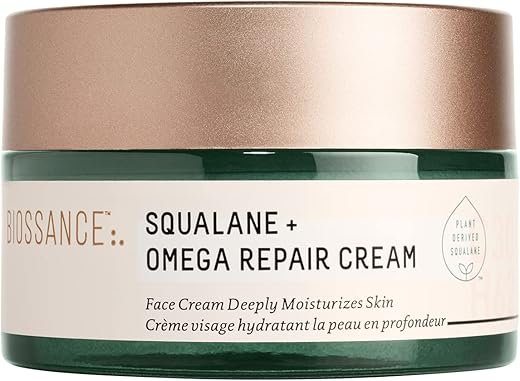
Seal with a lipid shield so water stays in the skin’s systems. Finish with Biossance Squalane + Omega Repair Cream, and in the morning add Biossance Squalane + Vitamin C Rose Oil only if your skin is not oily–2–3 drops are enough. For extra bounce, some routines include volufiline-type boosters, but if that ingredient isn’t clearly listed on the official label, treat claims as promotional and focus on verified components (squalane, peptides, lactic acid) that consistently perform in a measurable manner.
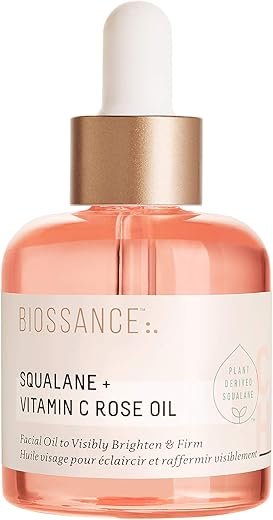
Whether you’re targeting dullness, dryness, or fine lines, keep the routine fruit-acid nights separate and log changes: if irritation appears, reduce frequency rather than adding more steps. As a final note: avoid “contest-related” gimmicks (freebies tied to social entries, “letter” submissions, or giveaways where users can be “disqualified” without clear terms); select items that are readily available on Amazon with transparent ingredient lists and consistent batch information.
Eyes: How to Layer Biossance Eye Products for Visible Improvements
Apply the eye treatment right after water-based serum and before face oil or thick cream: use a rice-grain amount per eye, then seal with a light moisturiser around the orbital bone. This order keeps the primary actives closer to skin and reduces pilling, particularly if your routine includes silicone primers or high-SPF finishes.
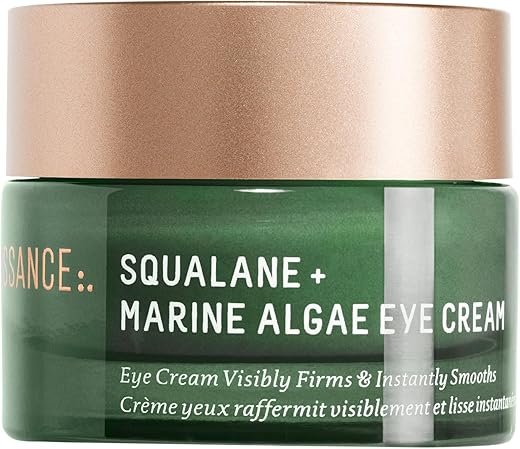
Morning protocol (de-puff + brighten): after cleansing, apply a hydrating serum to the face, then pat an eye gel/cream in with your ring finger. Use the “thumb-print” pressure test: if the skin blanches white, you’re pressing too hard. In the morning, aim for a thin, fast-absorbing texture so sunscreen sits equal and smooth on top. Amazon option: Biossance Squalane + Marine Algae Eye Cream–tap from inner corner to outer corner, staying 2–3 mm away from the lash line to avoid migration.
Evening protocol (lines + barrier support): in the evening, switch to a richer eye cream and extend it to crow’s-feet and the upper cheek. If you use retinoids on the face, buffer the eye area first with a tiny amount of eye cream, then place retinoid on the face–this reduces irritation and supports recovery systems overnight. Amazon option: Biossance Squalane + Peptide Eye Gel followed by Biossance Squalane + Omega Repair Cream only on the outer orbital bone (not directly on lids) to lock in comfort.
Targeted concerns: Regarding dark circles, focus on consistent hydration + gentle brighteners; don’t chase instant “bleaching” claims. If a seller has stated “permanent dark-circle removal in 24 hours,” treat that as a red flag–overpromising is often paired with irritating fragrance blends. Any formula that stings, makes eyes water, or smells sharply perfumed can be considered offensive to sensitive skin; stop use and simplify until calm.
Don’t mix too many actives at once: caffeine, peptides, and ceramides pair well; strong exfoliating acids plus retinoids around the eyes can get you disqualified from comfortable wear (redness and flaking). As an example, if you’re using an AHA toner on the face, keep it away from the orbital area and choose a plain hydrating eye cream instead. If irritation persists, forfeit the extra steps and keep only cleanser + eye cream + face cream until the barrier rebounds.
When to apply eye care in the routine: after serums, before moisturizer
Apply your Biossance eye product immediately after water-based serums have absorbed and before your face moisturizer. This placement allows lightweight actives—such as peptides or hydrating agents from Biossance Squalane + Copper Peptide Rapid Plumping Serum—to settle into the skin, while ensuring your eye treatment can properly target the delicate orbital area without being blocked by heavier creams.
Keep the order precise: cleanse → toner (optional) → serums → eye care → moisturizer → SPF (AM). For eye care, use Biossance Squalane + Marine Algae Eye Cream in the morning or Biossance Squalane + Peptide Eye Gel in the evening. Using eye products at the correct step helps prevent pilling and migration—if moisturizer is applied first, excess slip can cause eye creams to travel. Apply a rice-grain amount per eye, gently tapping along the orbital bone and stopping 2–3 mm from the lash line; Biossance eye formulas are designed to spread with skin warmth, so more product is unnecessary.
If you use a strong retinoid on the face, treat eye care as a protective buffer: serum → Biossance eye cream → retinoid (face) → Biossance Squalane + Omega Repair Cream. This “protect first” method helps minimize irritation around the eyes while preserving the effectiveness of active treatments. While similar routines are sometimes sold as bundled systems, the same results come from consistent placement and proper layering of Biossance products.
How much product to use: rice-grain dosing and avoiding overload
Use a rice-grain amount as the baseline when layering Biossance skincare: one rice-grain for eye care, two rice-grains for a serum, and three rice-grains for a moisturizer across the face and neck. This controlled dosing helps prevent pilling, reduces excess shine, and keeps skin smooth under foundation. If your skin still feels tight after about 60 seconds, add only half a rice-grain more—each extra layer should justify its place in the routine.
In high-humidity climates, over-application is a far more common issue than dehydration. Applying too much product can trap heat and sweat, cause makeup to break down, and make sunscreen slip. In these conditions, simplify: use one hydrating step such as Biossance Squalane + Copper Peptide Rapid Plumping Serum, follow with one barrier step like Biossance Squalane + Omega Repair Cream, then finish with a lightweight SPF. The goal is skin that feels “set,” not sticky.
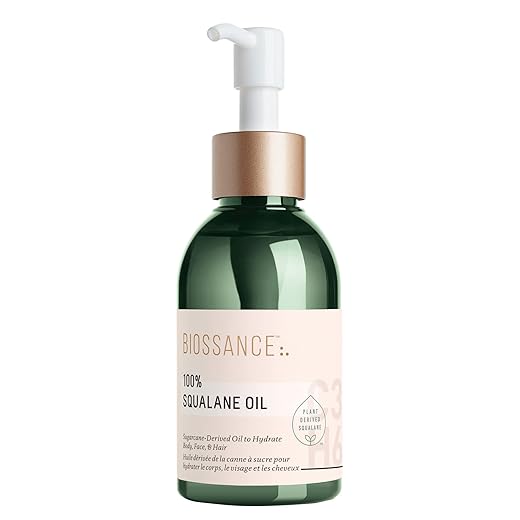
Order matters, but quantity matters more. A practical guide with Biossance products looks like this: watery toner (3–5 drops, if used), serum (2 rice-grains), moisturizer (3 rice-grains), then SPF using the two-finger rule. If you add an occlusive product—such as a thin layer of Biossance 100% Squalane Oil—treat it as a topcoat: about one rice-grain, pressed only onto dry areas rather than the entire face. This method calms irritation-prone skin, maintains barrier comfort, and keeps pores looking smoother and more balanced.
Application technique: ring-finger tapping vs gentle gliding for different concerns
Use ring-finger tapping on delicate zones—especially the under-eye area and crow’s-feet—because it minimizes pressure and reduces tugging on thin skin. Tap a rice- to pea-size amount of Biossance Squalane + Peptide Eye Gel in short, controlled pulses along the orbital bone, keeping a 2–3 mm distance from the lash line to prevent migration. This tapping method is especially effective with lightweight Biossance textures: it helps the product “set” faster and lowers the risk of pilling when you move on to the next step.
Switch to gentle gliding on larger areas such as the cheeks, forehead, and neck when you want even coverage and better slip. Use small outward strokes with products like Biossance Squalane + Copper Peptide Rapid Plumping Serum or Biossance Squalane + Omega Repair Cream, then finish with one consistent upward pass on the neck. Repeating the same direction each time helps avoid missed patches and uneven absorption.
Match the application technique to the concern: tapping is best for puffiness and fine lines, while gliding works better for redness-prone or rough texture by distributing actives evenly across the skin. A simple “rule of thirds” works well with Biossance routines:
-
tap around eyes and lip corners,
-
glide across face panels (cheeks, forehead, jaw),
-
lightly press palms to “seal” without rubbing.
If your routine includes multiple Biossance serums, pause 30–45 seconds between layers. If the skin still feels wet and the next product begins to roll, you’re layering too quickly. As a final reminder: avoid aggressive rubbing—excess friction can trigger irritation and compromise the skin barrier. Keep pressure low, movements controlled, and contact time short for the best results.
AM layering with SPF: preventing pilling and makeup creasing around the orbital area
Apply sunscreen as the final step in your morning routine, then wait 5–10 minutes before concealer. This short pause allows layers to set properly, helping prevent pilling and reducing creasing around the orbital area. Use a rice- to pea-size amount of Biossance eye care (such as Biossance Squalane + Marine Algae Eye Cream), keep it off the moving eyelid, and blend outward toward the orbital bone, leaving a 2–3 mm gap from the lash line to control slip and migration.
Choose compatible textures within your Biossance routine. If you’re using a richer moisturizer like Biossance Squalane + Omega Repair Cream, pair it with a lightweight, fluid SPF so layers don’t compete. Mixing very silicone-heavy formulas with water-light textures is a common cause of “rubber-eraser” pilling when makeup is tapped on top. A quick compatibility test helps: apply each step to the back of your hand, let it settle, then gently rub—if it rolls, switch either the moisturizer or SPF rather than adding more product.
In the morning, avoid strong exfoliating acids before sunscreen. Products like Biossance Squalane + 10% Lactic Acid Resurfacing Night Serum are best reserved for evening use. Acids can increase daytime sensitivity and encourage extra rubbing, which leads to pilling—especially around the eyes where skin is thinner and creases show faster. In the AM, opt for a simple hydrating step instead to support the barrier and maintain a smooth base.
SPF application technique is just as important as formula choice. Warm your sunscreen between your fingers, then press—not drag—over cheeks, nose, and forehead. Around the eyes, tap in very small amounts. If needed, set only crease-prone zones with a light dusting of finely milled powder. Don’t forget the neck: apply the same SPF there, as UV exposure on the neck is a major contributor to visible aging—even when the face is well protected.
| Step order (AM) | Amount | Key tip to prevent pilling / creasing |
|---|---|---|
| Hydrating serum (Biossance Squalane + Copper Peptide Rapid Plumping Serum or Squalane + Hyaluronic Acid) | 1–2 drops | Gently press into skin with palms; avoid the moving eyelid to prevent slip |
| Moisturizer (light) (Biossance Squalane + Probiotic Gel Moisturizer or a very thin layer of Omega Repair Cream) | Pea-size | Apply thinly, especially around the orbital area |
| SPF (face + neck) (lightweight, fluid SPF layered over Biossance) | 2-finger rule | Tap carefully around the eyes; wait 5–10 minutes before makeup |
| Concealer | Pinpoint dots | Use minimal product; blend with a damp sponge, not fingers |
| Powder (optional) | Light dusting | Set only crease-prone areas (under eyes, T-zone) |
Pro tip:
If your makeup tends to pill, keep the morning routine minimal: one hydrating Biossance serum + one lightweight moisturizer. Fewer layers allow SPF and concealer to sit smoothly and last longer.
If you still see rolling, discuss one change at a time: swap SPF finish (gel vs milk), reduce moisturizer near eyes, or switch concealer to a thinner formula. Most pilling happens from too much product, incompatible components, or not waiting between steps–fix those three and the orbital area stays smooth longer.
PM layering: pairing with richer creams and facial oils without migration into eyes
At night, keep richer Biossance textures at least 1–1.5 cm away from the lash line, applying them under the cheekbone and along the orbital bone only. This simple placement prevents oils and creams from migrating into the eyes while still delivering maximum comfort and barrier support.
Use the rice-grain rule around the eyes. Warm a tiny amount of Biossance Squalane + Peptide Eye Gel or Biossance Squalane + Marine Algae Eye Cream between your ring fingers, then tap—don’t rub—to limit slip. If a formula tends to travel, place it instead on the temples, upper cheek, and outer brow tail, where it can strengthen the skin barrier without pooling. Finish by lightly pressing (not smearing) with your thumb and index finger along the cheek perimeter to lock everything in.
Hydration base (fast-absorbing): Start with a lightweight layer so richer steps grip rather than slide. A thin application of Biossance Squalane + Probiotic Gel Moisturizer sets quickly and helps prevent later migration.
Richer cream placement (targeted): Apply Biossance Squalane + Omega Repair Cream to the “mask zone” (cheeks, jaw, neck), avoiding the mobile eyelid. Use a pea-size total and spread thinly—overapplication is what pushes product toward the eyes.
Facial oil (seal, not slide): Warm 2–3 drops of Biossance Squalane Oil (or Biossance Squalane + Vitamin C Rose Oil if your skin tolerates oils well at night) between palms and press into cheeks and forehead, finishing with a final press on the neck. Keep oils away from the eye contour; their fluidity makes migration more likely.
If you use a lash serum or an eye balm, apply those first and let them set 3–5 minutes. Adding rich creams too soon can cause smearing and watery eyes. A quick check: after 10 minutes, gently blot around the eye socket with a tissue—if it picks up shine, reduce the amount next night and keep richer products lower on the cheek.
Texture hack: If you need extra comfort, mix one tiny drop of Biossance Squalane Oil into Biossance Omega Repair Cream in your palm only for the cheeks—don’t cocktail directly near the eyes. This keeps emollients where you want them and improves the finish.
Occlusion choice: If dryness is most intense on the neck, seal there with a very thin occlusive layer after your Biossance moisturizer; avoid the eye area entirely.
Acid + oil timing: When using Biossance Squalane + 10% Lactic Acid Resurfacing Night Serum, apply it earlier in the routine and wait ~10 minutes before richer creams or oils. This reduces sting and prevents oils from driving actives toward the eyes.
Optional tools (budget-friendly): a soft silicone spatula to control quantity, microfiber wristbands to stop runoff, and mini measuring spoons to keep dosing consistent. Keep night routines simple—let Biossance be the primary source of barrier support and comfort.
Biossance Skincare Layering: Summary Table
| Step | Product (Biossance) | AM / PM | Amount | Key Rule |
|---|---|---|---|---|
| Cleanse | Squalane + Amino Aloe Cleanser | AM / PM | 1–2 pumps | 30 sec, lukewarm water |
| Treat | Copper Peptide Serum or 10% Lactic Acid Serum | AM / PM | 2 rice-grains | One active per routine |
| Eye | Marine Algae Eye Cream (AM) / Peptide Eye Gel (PM) | AM / PM | 1 rice-grain/eye | After serum, before cream |
| Moisturize | Probiotic Gel (light) or Omega Repair Cream | AM / PM | 3 rice-grains | Thin layer, avoid eyelids |
| Seal (opt.) | 100% Squalane / Vit C Rose Oil | PM | 2–3 drops | Press, don’t rub |
| Protect | SPF (over Biossance) | AM | 2 fingers | Last step, wait 5–10 min |
Key Rules
-
Order: cleanse → serum → eye → cream → oil → SPF
-
Reactive skin: max 3–4 steps
-
AM: peptides + hydration
-
PM: lactic acid or peptides (alternate)
-
Pilling fix: less product + wait 30–60 sec
AM vs PM
| AM | PM |
|---|---|
| Cleanser | Cleanser |
| Copper Peptide Serum | Lactic Acid or Peptide Serum |
| Eye Cream | Eye Gel |
| Light Cream | Omega Repair Cream |
| SPF | Squalane Oil (optional) |
FAQ: How to Layer Biossance Skincare Products
1. What is the correct order to layer Biossance skincare products?
The correct order is based on texture and absorption: cleanser → toner (optional) → water-based serums → eye cream → moisturizer → facial oil → SPF (AM only). Lighter, water-based formulas should always go first so they can absorb properly before richer creams or oils seal everything in.
2. Can I use multiple Biossance serums in one routine?
It’s best to use one treatment serum per routine. For example, alternate exfoliating acids (like lactic acid) and peptide or copper serums on different days. Layering too many actives at once can cause pilling, irritation, or reduced effectiveness—especially on sensitive skin.
3. Should Biossance facial oil be applied before or after moisturizer?
Biossance facial oils should be applied after moisturizer as the final sealing step. Oils help lock in hydration and support the skin barrier but can block absorption if applied too early. Use only 2–3 drops and press gently into the skin.
4. How can I prevent pilling when layering Biossance products?
To prevent pilling:
-
Apply thin layers
-
Wait 30–60 seconds between steps
-
Avoid rubbing—press products into the skin
-
Keep oils and heavy creams away from the eye area in the morning
Pilling is usually caused by too much product or layering incompatible textures too quickly.
5. Is Biossance skincare suitable for sensitive or reactive skin?
Yes, Biossance products are generally suitable for sensitive skin, but keep routines simple. Limit layering to 3–4 steps (cleanse → hydrate → treat → seal), introduce actives slowly, and avoid combining exfoliating acids with other strong treatments in the same routine.



No Comment! Be the first one.