


As global beauty trends continue to evolve, many skincare enthusiasts are asking: can you mix Korean and Western skincare products in one routine? Both skincare philosophies offer unique benefits — Korean skincare focuses on hydration, barrier support, and layering lightweight formulas, while Western skincare often emphasizes active ingredients and targeted treatment solutions. Understanding how to safely combine these approaches can help you build a more effective and personalized skincare routine.
Table Of Content
- Understanding the Core Philosophy Behind Each Routine
- Hydration Layering vs. Targeted Correction: A Philosophical Clash
- Texture & Formula Focus: East Asian vs. Occidental Product Design
- Why Ingredient Synergy Trumps Geographic Origin
- Building Your Hybrid Routine: A Step-by-Step Framework
- Targeting Concerns with East-West Synergy
- Establishing the Correct Sequence for a Combined Regimen
- Question-Answer
- I have sensitive skin and use a gentle Western cleanser. Can I add a Korean exfoliating toner without causing irritation?
- My routine is already long. Where do Korean skincare steps like essences and serums fit with my Western moisturizer and retinol?
- I love my French sunscreen. Are Korean sunscreens really that different, and should I switch?
- What’s the biggest mistake people make when combining these skincare approaches?
- I have sensitive skin and use a prescribed Western retinoid. Can I safely add Korean hydrating toners or serums to my routine?
- My Western moisturizer with SPF feels heavy. Do I need it if I’m using a Korean sunscreen?
- Mixing Korean and Western skincare is beneficial when you respect ingredient compatibility and proper layering order.
- Start with hydration-first Korean essences and toners, then apply potent Western actives like retinoids or vitamin C.
- Always consider pH, avoid antagonistic combos, and introduce one new product at a time with patch testing.
- Use sunscreen as the final AM step; choose textures that suit your needs rather than switching solely by origin.
Mixing Korean and Western skincare is not only possible but often beneficial when done correctly. By combining hydrating Korean essences and toners with Western dermatologist-focused actives like retinoids, vitamin C, or exfoliating acids, users can address multiple skin concerns at once. However, product compatibility, ingredient layering order, and skin sensitivity must be carefully considered to avoid irritation or reduced product effectiveness.
In this guide, we explore whether you can mix Korean and Western skincare, how to layer products safely, and how to build a routine that maximizes the strengths of both skincare systems for healthier, more balanced skin.

Absolutely, integrating methodologies from East Asian and European-American beauty philosophies is not only possible but highly effective when done with strategic intent. The core principle is respecting the safety and integrity of the skin’s barrier; this fusion thrives on intelligent layering rather than haphazard combination. Success hinges on understanding the chemical compatibility of ingredients and the intended function of each step, transforming a simple regimen into a powerful, synergistic protocol.
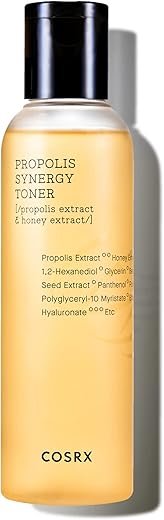
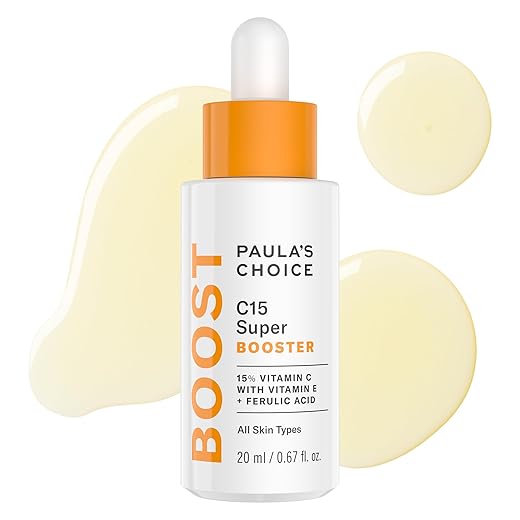
Critical to this approach is managing product pH and avoiding antagonistic reactions. For instance, applying a potent Western vitamin C serum (like Paula’s Choice C15 Booster) requires waiting for its low-pH environment to normalize before following with a Korean essence containing peptides. Conversely, the gentle, hydrating formulations characteristic of many K-beauty toners, such as COSRX Propolis Synergy Toner, create an ideal prepped canvas for stronger active ingredients from either tradition.
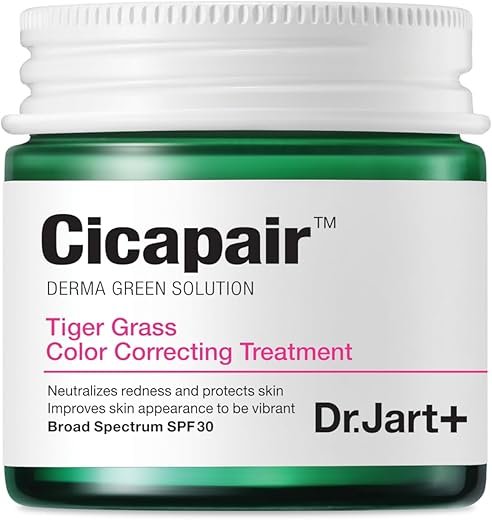
The ultimate routine leverages the strengths of each school: the targeted potency of clinical actives from one, paired with the barrier-supporting, hydration-focused layers of the other. This creates a synergy where, for example, a prescription retinoid is balanced by a soothing Korean cica cream like Dr. Jart+ Cicapair Tiger Grass Cream. The result is a meticulously calibrated regimen that maximizes efficacy while prioritizing skin health, proving that a thoughtful global fusion can outperform a monolithic approach.
Understanding the Core Philosophy Behind Each Routine
Start by analyzing the fundamental approach: Eastern regimens prioritize prevention and nourishment, while Occidental methods often focus on correction and targeted intervention.
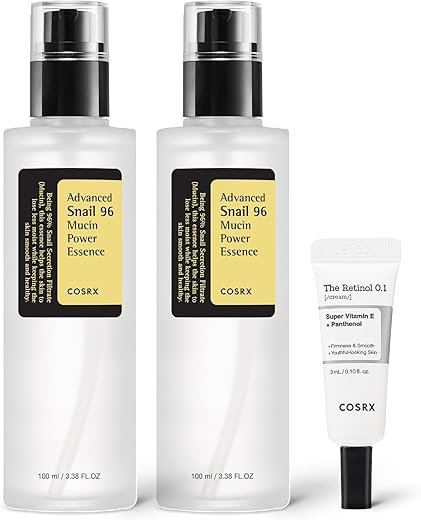
The Asian philosophy champions a multi-step, hydration-focused routine with gentle formulations. Think of a product like COSRX Advanced Snail 96 Mucin Power Essence, designed for soothing and repairing the skin barrier through meticulous layering. The emphasis is on maintaining a balanced, slightly acidic skin ph to support this process.
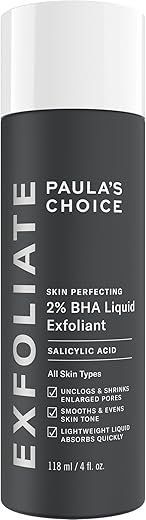
In contrast, the corrective approach frequently employs potent active ingredients–like high-percentage retinoids or vitamin C serums–at higher concentrations to address specific concerns such as deep wrinkles or hyperpigmentation. A product like Paula’s Choice 2% BHA Liquid Exfoliant exemplifies this direct, solution-oriented mindset.
The key to successful integration lies in respecting these philosophies to avoid adverse reactions. Do not layer a potent exfoliating acid with an enzyme-based peel. Instead, create synergy by pairing a gentle, hydrating Asian essence with a precisely applied Occidental retinol, used on alternate nights. Always prioritize safety by introducing one new product at a time and monitoring your skin’s response.
Hydration Layering vs. Targeted Correction: A Philosophical Clash
Focus on ingredient compatibility and precise layering order when combining these philosophies. The Eastern approach prioritizes multiple, lightweight hydrating toners and essences to build a moisture base, while the corrective Western serum targets a specific concern atop this prepared canvas.
Key differences in execution:
- Layering sequence is non-negotiable: apply products from thinnest to thickest consistency, allowing each to absorb. A hydrating toner like COSRX Propolis Synergy Toner precedes a richer essence.
- pH balance matters: many active-focused Western formulations (e.g., Paula’s Choice 2% BHA Liquid Exfoliant) require a low pH to function. Apply these after pH-balancing toners and before heavier barriers.
- Watch for antagonistic ingredients. Directly mixing niacinamide with low-pH vitamin C can cause flushing. Separate their application into AM/PM routines.
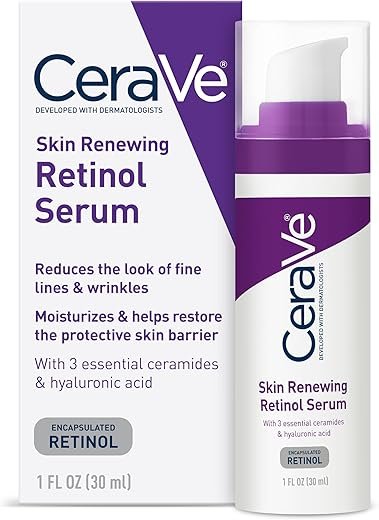
To achieve synergy, use the hydration-first method to strengthen the skin barrier, then apply a potent corrective treatment. For example, layer a hyaluronic acid serum under CeraVe Skin Renewing Retinol Serum to mitigate irritation and enhance tolerance.
Always prioritize safety by patch-testing new combinations. Monitor for negative reactions like redness or peeling, which often signal incompatible layering or overly harsh active interplay.
Texture & Formula Focus: East Asian vs. Occidental Product Design
Focus on texture and absorption when combining regimens. East Asian formulations prioritize lightweight, water-based layers that build hydration, while Occidental products often feature richer, active-driven textures for targeted correction.
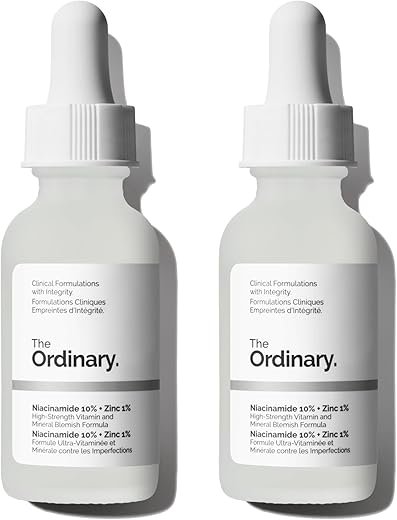
Typical East Asian textures include essences (e.g., COSRX Advanced Snail 96 Mucin Power Essence), serums, and gel-creams that absorb quickly to allow seamless layering. The goal is cumulative moisture and brightening. Occidental traditions favor concentrated serums (e.g., The Ordinary Niacinamide 10% + Zinc 1%) and dense creams that deliver high-potency ingredients like retinoids or acids for focused results, often with a single product addressing a specific concern.
| Aspect | East Asian Tradition | Occidental Tradition |
|---|---|---|
| Primary Texture | Lightweight, watery, gel-like | Rich, creamy, oil-based, or anhydrous |
| Formulation Goal | Hydration, barrier support, radiant finish | Potent correction, exfoliation, wrinkle reduction |
| Key Ingredient Examples | Snail mucin, propolis, centella asiatica, hyaluronic acid | Retinol, vitamin C (L-ascorbic acid), salicylic acid, peptides |
| Layering Compatibility | Designed for multiple product synergy | Often formulated as standalone powerhouses |
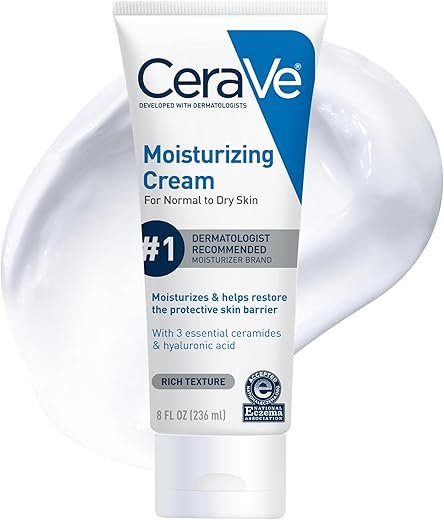
Ensure ingredient compatibility and skin safety. Avoid layering multiple potent actives (e.g., combining a strong AHA/BHA toner with a retinoid serum) in one routine to prevent adverse reactions. Instead, pair a hydrating Asian essence with a stabilizing Occidental moisturizer like CeraVe Moisturizing Cream to reinforce the skin barrier. The synergy comes from balancing treatment with nourishment, not from overloading.
Why Ingredient Synergy Trumps Geographic Origin
Focus on formulation compatibility, not a product’s country of manufacture. A serum’s efficacy and safety depend on how its active ingredients interact within your specific regimen.
Prioritize pH compatibility when layering potent actives. For instance, applying The Ordinary Niacinamide 10% + Zinc 1% (pH ~5.5-6.5) immediately after an exfoliating toner with a low pH (like Paula’s Choice Skin Perfecting 2% BHA Liquid, pH ~3.2-3.8) can diminish the effectiveness of both and increase irritation risk. Allow pH levels to normalize between steps.
Certain ingredient combinations cause adverse reactions. Mixing direct vitamin C (L-ascorbic acid) with pure niacinamide in high concentrations can lead to flushing and niacinamide conversion. However, many modern, stabilized formulations safely combine these ingredients, like Glow Recipe Guava Vitamin C Dark Spot Serum.

Understand that layering multiple products containing similar high-strength actives (e.g., retinoids, AHAs, benzoyl peroxide) from different routines can compromise the skin barrier. A holistic view of your total ingredient intake prevents overload.
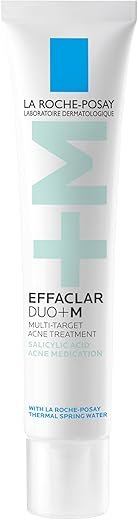
Always patch-test new combinations. Introducing the La Roche-Posay Effaclar Duo Dual Action Acne Treatment (with benzoyl peroxide) to a regimen already using a Korean retinal (retinaldehyde) serum requires caution and gradual integration to monitor for excessive dryness or sensitivity.
Building Your Hybrid Routine: A Step-by-Step Framework
Start by mapping your existing regimen onto a core framework: cleanse, treat, hydrate, protect. This structure prioritizes compatibility and logical layering.
Anchor your routine with a double-cleansing first step, using an oil-based balm like Then I Met You Living Cleansing Balm followed by a gentle, low-ph foaming wash. This ensures a perfectly clean canvas without compromise.

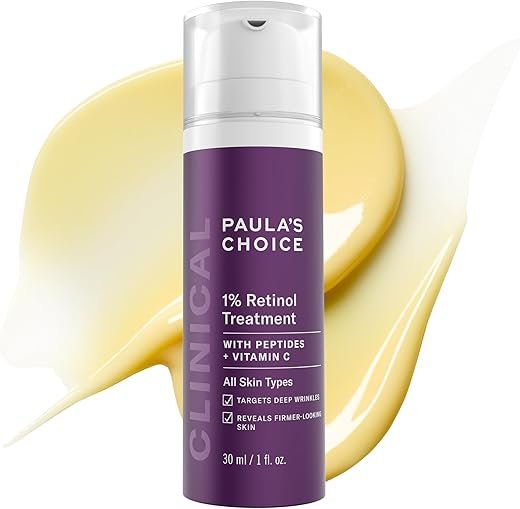
Integrate potent treatment formulations next. Apply a Western-grade retinoid, such as Paula’s Choice Clinical 1% Retinol Treatment, on dry skin. Wait 20 minutes, then layer a Korean hydrating toner like COSRX Propolis Synergy Toner to counteract dryness and enhance synergy.
Follow with a targeted serum addressing a secondary concern; a niacinamide serum like Glow Recipe Watermelon Glow Niacinamide Dew Drops can complement the retinoid’s work. Monitor skin for any adverse reactions when combining active ingredients.

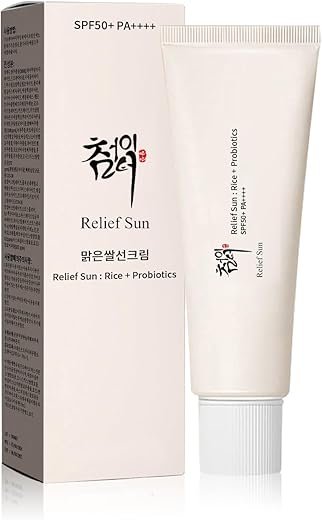
Seal the regimen with a moisturizer suited to your skin type, and never skip broad-spectrum sunscreen like Beauty of Joseon Relief Sun during the day. This step-by-step approach maximizes efficacy while upholding skin barrier safety.
Targeting Concerns with East-West Synergy
Start by auditing your current products’ primary functions: identify which are for layering lightweight hydration and which deliver targeted, high-potency actives. Match the hydration-building routine from Asian beauty principles to dryness or dehydration, and apply the focused corrective formulations from European/American lines to specific concerns like stubborn hyperpigmentation or deep wrinkles.
For example, pair a hydrating Asian essence like COSRX Advanced Snail 96 Mucin Power Essence with a potent Western treatment like The Ordinary Niacinamide 10% + Zinc 1%. Apply the essence first to prepare the skin barrier, then follow with the treatment serum to enhance efficacy and minimize potential reactions.
Critical rules for safety and synergy:
- Never layer exfoliating acids (e.g., AHA/BHA) from different systems in one session; use them on alternate nights.
- Always buffer potent retinoids (like Paula’s Choice Clinical 1% Retinol Treatment) with a soothing Asian toner to reduce irritation.
- Monitor your skin’s pH balance; avoid combining vitamin C (acidic) with niacinamide (unless in a stabilized formulations) directly in succession.
Finalize your hybrid approach by time of day: focus on lightweight layering and sun protection in the AM, and reserve concentrated treatment ingredients for your PM routine.
Establishing the Correct Sequence for a Combined Regimen
Start by applying products based on their viscosity and aqueous nature, progressing from the thinnest, water-based formulations to the richest oils or creams. This fundamental rule of layering ensures optimal absorption and prevents barrier interference. For instance, a hydrating toner like COSRX Advanced Snail 96 Mucin Power Essence must precede a richer serum like La Roche-Posay Effaclar Duo Dual Action Acne Treatment.
Critical compatibility checks are non-negotiable. Never layer pure vitamin C (L-ascorbic acid) and pure niacinamide in immediate succession if their pH levels are incompatible; a wait time of 15-30 minutes between applications is advised for safety and efficacy. Conversely, many modern serums combine these ingredients in stabilized formulations, like Paula’s Choice 10% Niacinamide Booster, eliminating the concern.

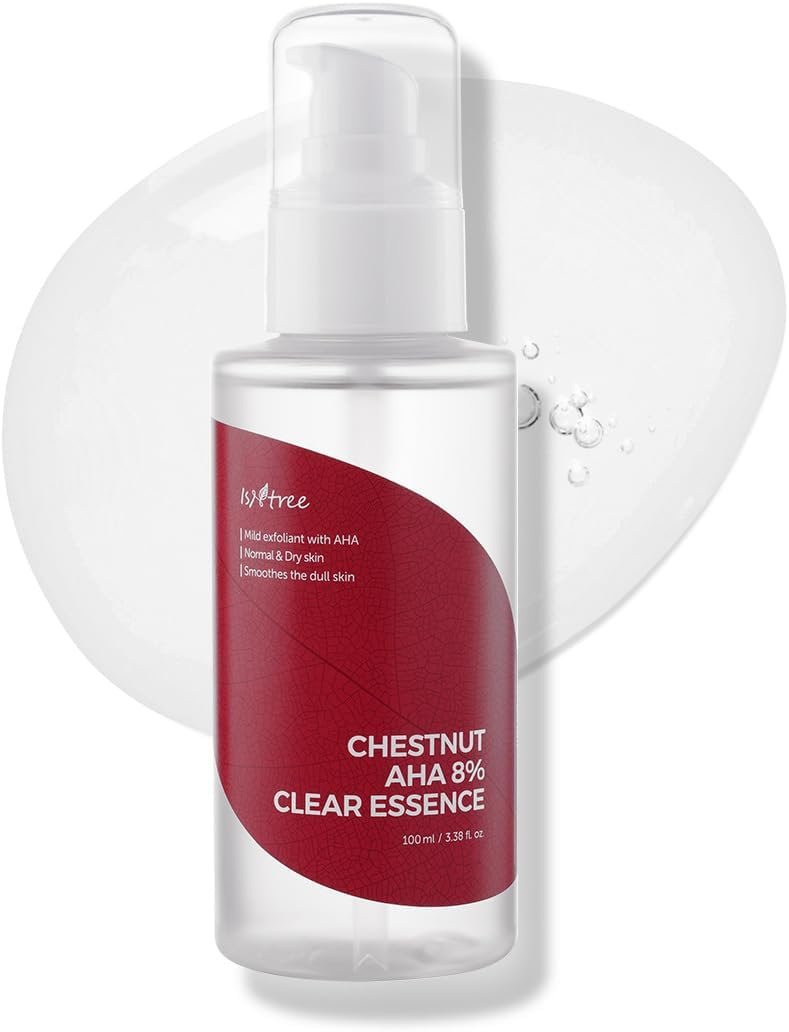
Integrate treatment products, such as retinoids or exfoliating acids, according to their potency and your skin’s tolerance. A gentle exfoliant like Isntree AHA 8% Essence should be used on clean, dry skin before hydrating layers, while a prescription retinoid like Differin Gel typically follows a light moisturizer to buffer potential irritation. Always confirm ingredient compatibility to avoid neutralizing active ingredients.

Question-Answer:
I have sensitive skin and use a gentle Western cleanser. Can I add a Korean exfoliating toner without causing irritation?
You can, but careful integration is key. Korean exfoliating toners often contain AHAs or BHAs at gentle, daily-use concentrations. The critical step is not to use them simultaneously. Use your gentle Western cleanser in the morning. Introduce the Korean toner only in your evening routine, and start slowly—just two or three times a week. Monitor your skin’s reaction over several weeks. This approach allows you to gain the benefits of Korean chemical exfoliation while maintaining the barrier-supporting foundation of your Western cleanser.
My routine is already long. Where do Korean skincare steps like essences and serums fit with my Western moisturizer and retinol?
Think of it as layering by texture and function, not by geography. After cleansing and toning, apply your thinnest, water-based Korean products first, like an essence or a hydrating serum. These absorb quickly. Follow with any treatment serums, which could be Western (like vitamin C) or Korean (like snail mucin). Then apply your prescription or treatment product, such as retinol. Your Western moisturizer, which is typically thicker and designed to seal in everything, should always be one of the final steps. This method integrates new items without redundancy.
I love my French sunscreen. Are Korean sunscreens really that different, and should I switch?
Korean sunscreens are famous for their lightweight, elegant textures that feel like a light lotion, avoiding the white cast or greasy feel some Western formulas have. They are excellent, but if your French sunscreen works for you—offers strong protection, doesn’t break you out, and you enjoy using it—there’s no need to switch. The “mixing” concept might mean using the Korean one for daily urban wear due to its cosmetic elegance, and relying on your perhaps more water-resistant French sunscreen for beach days or intense outdoor activity. It’s about choosing the best tool for the specific need and situation.
What’s the biggest mistake people make when combining these skincare approaches?
The most common error is introducing too many new products from different systems at once. If you start a new Korean essence, a Western retinol, and a new sunscreen all in the same week and experience redness or breakouts, you will have no way to identify the cause. Add one new product at a time, and test it for at least two weeks before adding another. This patience allows your skin to adjust and lets you clearly see what benefits or problems each product brings. This method is more reliable than overhauling your entire routine simultaneously.
I have sensitive skin and use a prescribed Western retinoid. Can I safely add Korean hydrating toners or serums to my routine?
Yes, you can, and doing so is often recommended to counteract the dryness and irritation retinoids can cause. The key is timing and layering. Apply your retinoid on clean, dry skin as directed by your doctor. Wait 20-30 minutes for it to absorb fully. Then, you can layer your Korean hydrating products, like a toner with snail mucin or a serum with panthenol. These products add moisture and support your skin barrier without interfering with the retinoid’s function. Avoid using any other exfoliating acids (AHA/BHA) from either tradition on the same night as your retinoid to prevent overwhelming your skin.
My Western moisturizer with SPF feels heavy. Do I need it if I’m using a Korean sunscreen?
If your Korean sunscreen is labeled with a sufficient SPF (30 or higher for daily use, 50+ for extended sun exposure) and broad-spectrum protection (PA++++ or similar), it is designed to be your primary sun protection step. A Western moisturizer with SPF typically does not provide enough product to reach the stated SPF level if used in moisturizer amounts. For reliable protection, use a dedicated, adequately applied sunscreen as your final step. You can switch to a lighter, SPF-free Western moisturizer or use a Korean moisturizer, and then apply your Korean sunscreen separately. This ensures you get both the hydration you want and the sun protection you need.



No Comment! Be the first one.