


Build Your Best Skin Care Routine starts with understanding your skin’s unique needs and choosing products that truly work for you. With countless skincare trends and routines circulating online, it’s easy to feel overwhelmed and unsure where to begin. However, an effective skincare routine doesn’t have to be complicated — it should be personalized, consistent, and based on proven principles rather than hype.
Table Of Content
- Step-by-Step Skin Care Routine Builder + Quiz-Based Product Match
- Identify your skin type at home: 3 quick tests (after cleansing, midday, and end-of-day)
- Spot your top concern: acne, dullness, redness, dryness, or dark spots
- Choose your AM routine: cleanser → antioxidant → moisturizer → sunscreen
- AM Skincare Routine — Key Steps & Product Examples
- Choose your PM routine: cleanse → targeted treatment → moisturizer
- How to layer products without pilling: order, wait times, and texture pairing
- Q&A
- Is this guide useful if I have sensitive skin and react to many products?
- How do I know which steps I actually need—cleanser, toner, serum, exfoliant, retinoid, mask?
- Does it explain the correct order of products and how long to wait between layers?
- I have acne and also dry patches. Can the routine be balanced without making one problem worse?
- Will this help me build a routine on a budget, and does it recommend specific products?
- Is this guide useful if I don’t know my skin type and I keep buying random products that irritate me?
- Build a simple, consistent routine: cleanse, treat one concern, moisturize, then sunscreen every morning.
- Personalize by skin type and symptoms using three daily tests to choose textures and actives safely.
- Introduce one active at a time, track reactions, and prioritize barrier support to avoid irritation and improve results.
Whether your goal is hydration, anti-aging, acne control, or maintaining a healthy glow, building the right skincare routine can transform not only your skin but also your confidence. By focusing on essential steps, suitable ingredients, and mindful product choices, you can create a routine that supports your skin barrier, enhances natural beauty, and delivers long-term results.
In this guide, you’ll learn how to build your best skin care routine step by step, avoid common mistakes, and choose products that align with your skin type and lifestyle — for radiant, healthy skin every day.

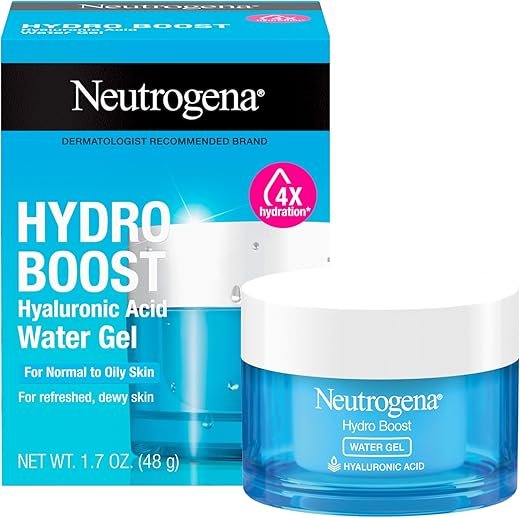
AM recommendation: cleanse with CeraVe Hydrating Facial Cleanser (a suited pick for normal and dry types; fewer fragrance triggers), then moisturize while the face is still damp to reduce micro dehydration lines. If you’re looking for fast absorption, choose lightweight gels like Neutrogena Hydro Boost Water Gel; in winter, switch to the thickest texture you can tolerate, such as CeraVe Moisturizing Cream, to eliminate tightness and barrier issues. Avoid formulas overloaded with drying alcohols when flaking is very noticeable; however, a small amount in a well-buffered base can be perfectly fine if you monitor irritation.

CeraVe Hydrating Facial Cleanser, Moisturizing Face Wash For Dry Skin, Hyaluronic Acid + Ceramides + Glycerin, Hydrating Cleanser For Normal To Dry Skin,...
Directly after moisturizer: apply sunscreen–EltaMD UV Clear SPF 46 (light feel, niacinamide) is especially popular to help improve redness and uneven complexion while reducing the look of wrinkles over time. If reapplication is hard, add travel-friendly options like La Roche-Posay Anthelios Ultra-Light Fluid and keep SPF touch-ups easy with UV mists (use over makeup and still reapply a full layer when possible). Protecting daily is one of the simplest rights you can claim in this results-driven journey: UV control beats most “quick fixes.”


PM upgrade: after cleansing, use an anti-inflammatory serum to calm sensitivity and support tone–The Ordinary Niacinamide 10% + Zinc 1% targets oil imbalance and pore-related issues; if dryness dominates, add The Ordinary Hyaluronic Acid 2% + B5 before cream to reduce micro creasing. Keep the lineup minimal–each added step should solve one specific concern, not duplicate another; that’s how you get visible change with fewer products and less irritation. Track what works: take weekly photos and monitor stinging, peeling, and new bumps, then adjust concentration, frequency, or swap to other textures.

Step-by-Step Skin Care Routine Builder + Quiz-Based Product Match
Start with a 60-second quiz: pick your main goal (oil control, redness, dark spots, lines), sensitivity level, climate, and how many times per day you want to apply products (AM only or AM+PM). If you have frequent stinging, choose “sensitive” and keep the first week to cleansing + moisturising + SPF only; higher-activity actives come later.
Routine builder (AM): 1) Gentle cleanser, 2) Antioxidant serum, 3) Moisturiser, 4) Sunscreen. An easy Amazon set that covers this: CeraVe Hydrating Facial Cleanser (dry/normal) or CeraVe Foaming Cleanser (oily), then TruSkin Vitamin C Serum, then La Roche-Posay Toleriane Double Repair Face Moisturizer, then EltaMD UV Clear SPF 46 (great if you want a neutral finish under makeup). If your base makeup goes patchy, swap the moisturiser to Neutrogena Hydro Boost Gel-Cream (fragrance-free) and wait 2 minutes before SPF.

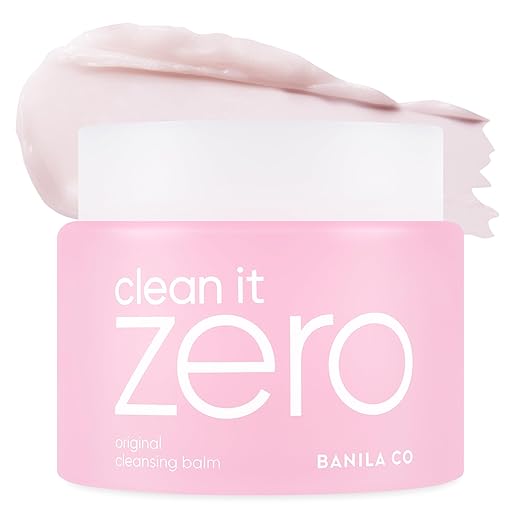
Routine builder (PM): 1) Remove sunscreen/makeup (double cleanse if you wear long-wear), 2) Treatment, 3) Barrier cream. Example Amazon picks: Banila Co Clean It Zero (first cleanse), then Vanicream Gentle Facial Cleanser (second), then Differin Adapalene Gel 0.1% 2–3 nights/week, then CeraVe PM Facial Moisturizing Lotion. While adjusting to retinoids, keep exfoliating acids to 0–1 night/week to avoid irritation.

Quiz-based product match rules (simple): if you mark “dry + flaky,” the algorithm tochoose richer textures (ceramides + glycerin) and a lower % active; if you mark “oily + clogged pores,” it will suit lightweight gels and BHA. If you mark “redness,” it prefers formulated options with niacinamide and azelaic acid, and avoids heavy fragrance. If you mark “dark spots,” it sets a 12-week plan: vitamin C in the morning, retinoid at night, and strict SPF; results are usually visible after 6–8 weeks with consistent use.
Makeup compatibility check: if your foundations separate, choose a neutral, silicone-friendly SPF like EltaMD UV Clear; if pilling happens, then reduce layers or swap one serum to a thinner format. If you use Estée Lauder Double Wear, keep moisturising light in the T-zone and let each layer set 60–90 seconds.
Safety notes that matter: SPF is non-negotiable; it reduces UV damage linked to premature aging and lowers risk factors associated with cancer. Patch test new actives behind the ear for 2 nights. Stop if you see swelling or burning that lasts longer than 30 minutes.
Extra low-cost examples from AliExpress (tools + accessories): silicone face cleansing brush pad, reusable microfiber makeup remover cloths, travel pump bottles for decanting, and a 50-pack of disposable spatulas to keep jars clean. These add-on services improve hygiene and make the process easy without changing your core products.
What to track (so the quiz learns): oiliness at midday, tightness after cleansing, and how many times you reapply SPF. Update answers every 14 days; if dryness increases, the system will move you to a higher barrier focus and reduce active frequency, while still keeping tone-evening goals on schedule.
Identify your skin type at home: 3 quick tests (after cleansing, midday, and end-of-day)
Do this first: cleanse with a gentle, fragrance-free wash, then wait 30 minutes with nothing applied–no toner, no serum, no SPF–so you can see what your face does exactly on its own. A simple option on Amazon is CeraVe Hydrating Facial Cleanser; if you prefer foam, try La Roche-Posay Toleriane Purifying Foaming Cleanser. Pat dry with a soft towel, not a rough cloth, and avoid hot water; use lukewarm and a quick rinse only.

La Roche-Posay Toleriane Purifying Foaming Facial Cleanser, Oil Free Face Wash for Women & Men with Niacinamide + Ceramides, Pore Cleanser Safe For Sensitive...
- Test 1 (after cleansing): bare-face feel + “tightness map”
- Very tight all over within 10–15 minutes: likely dry; barrier needs more lipids. Add a thin layer of an Amazon staple like Vanicream Moisturizing Cream at night; it’s a simple, nourishing base.
- Tight cheeks, comfortable T-zone: combination leaning dry; use richer cream on cheeks and lighter gel on T-zone.
- Comfortable everywhere, no shine: balanced; most textures will suit you if fragrance is low.
- Noticeable slip or shine quickly: oily; look for lightweight hydrators. Amazon example: Neutrogena Hydro Boost Gel-Cream (fragrance-free).
 Vanicream Moisturizing Skin Lotion Tube for Sensitive Skin, Soothes Red, Irritated, Cracked or Itchy Skin, Dye Free, Fragrance Free, Preservative Free,...Amazon.comI may earn a commission at no cost to you.
- Tip: if you see flaking, don’t scrub. Use a soft konjac sponge 1–2×/week max, while keeping pressure minimal. AliExpress often lists “Konjac Facial Sponge Natural” multipacks.
- Test 2 (midday): blot + pore checkAt lunchtime (about 4–6 hours after cleansing), press blotting paper on forehead, nose, chin, then cheeks. Do it in privacy at a desk or in a restroom mirror; results are more honest than checking in harsh sunlight.
- Paper stays mostly clean + face feels tight: dry.
- Oil mostly on T-zone, cheeks normal: combination.
- Oil transfers from most zones, pores look enlarged: oily.
- Redness or sting even with little oil: sensitive/reactive; prioritize barrier-first formulas.
Make it effective: if blotting shows heavy T-zone oil, consider an Amazon serum with niacinamide like The Ordinary Niacinamide 10% + Zinc 1% (patch test). This targets excess sebum appearance without harsh stripping when used every other night.
AliExpress alternative: “Oil Control Blotting Paper” packs (check reviews and material quality).
- Test 3 (end-of-day): rebound oil vs. dehydrationAt night, before cleansing, observe shine, makeup separation, and any itchy patches. Then cleanse and note how fast discomfort returns. This shows how your barrier function holds up across the day.
- Very shiny but feels tight after washing: dehydration + oil rebound; add a hydrating serum, then seal with a light cream. Amazon picks: Hada Labo Gokujyun Hyaluronic Acid Lotion plus a pea-sized cream.
- Shiny and comfortable after washing: true oily; keep cleanser gentle and add a BHA 2–3 nights/week if possible. Amazon: Paula’s Choice 2% BHA Liquid Exfoliant.
- Dry patches worsen by evening: dry; reduce exfoliation and use a ceramide-heavy moisturizer.
- Stinging with many products: sensitive; simplify to cleanser + moisturizer + SPF.
AliExpress add-on: “Silicone Face Mask Brush” to apply an even layer of a calming gel mask without over-rubbing; it helps when friction triggers redness. Compare with the other option–using fingers–if contact irritation is an issue.

Use the three tests together: one moment can mislead, but patterns across morning, midday, and end-of-day show what texture and actives will suit you–and what your barrier truly needs.
Spot your top concern: acne, dullness, redness, dryness, or dark spots
Start by doing a quick test: cleanse, wait 60 minutes without any products, then check where you feel tightness, shine, or heat. Tight + flaky = dryness; oily shine + bumps = acne-prone; burning or hot patches = redness; flat tone + rough feel = dullness; uneven marks = dark spots. Take a photo in the same light for 7 days to track signs that products actually work.
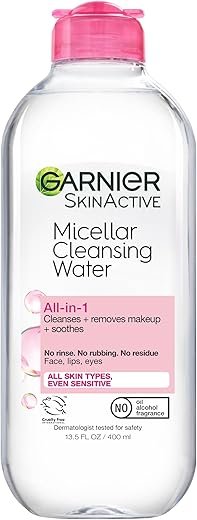
Acne (clogged pores + inflamed spots): go small and controlled with one active at a time. After cleansing, use a 2% salicylic acid toner like Paula’s Choice Skin Perfecting 2% BHA Liquid Exfoliant (Amazon) 3 nights/week, then add a lightweight hydrating gel containing hyaluronic acid like Neutrogena Hydro Boost Gel-Cream (Fragrance-Free) (Amazon). If makeup or sunscreen is heavy, remove it thoroughly with Garnier Micellar Water (Pink Cap) (Amazon) before washing. AliExpress example: silicone facial cleansing brush (manual) to help lift residue without harsh scrubbing.

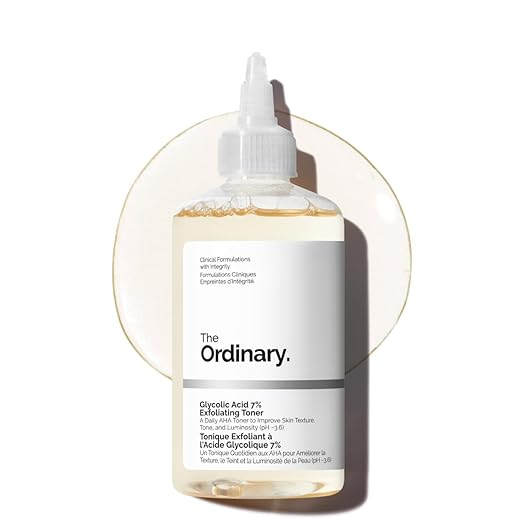
Dullness (rough texture, tired tone): prioritize gentle exfoliation + barrier support. A simple starting option is The Ordinary Glycolic Acid 7% Toning Solution (Amazon) 1–2 nights/week; on off-nights, use a ceramide moisturizer to keep the surface smooth. Add a green-tea antioxidant serum like iUNIK Tea Tree Relief Serum (Amazon) if you also get occasional bumps. AliExpress example: vitamin C serum (10–15% ascorbic acid) in dark bottle–patch test first, and store away from heat to preserve power.

Redness (stinging, visible flush): skip fragrance and strong acids until irritation calms. Choose a calming serum like La Roche-Posay Cicaplast B5 Serum (Amazon) or a simple moisturizer with panthenol/ceramides; then seal with a bland SPF daily. If redness appears with itching or persistent burning, that’s one of the signs to consider medical input–tele-derm services can help confirm triggers while protecting your rights to privacy and informed consent. AliExpress example: reusable ice roller for short, 30–60 second cooling passes (never press hard).

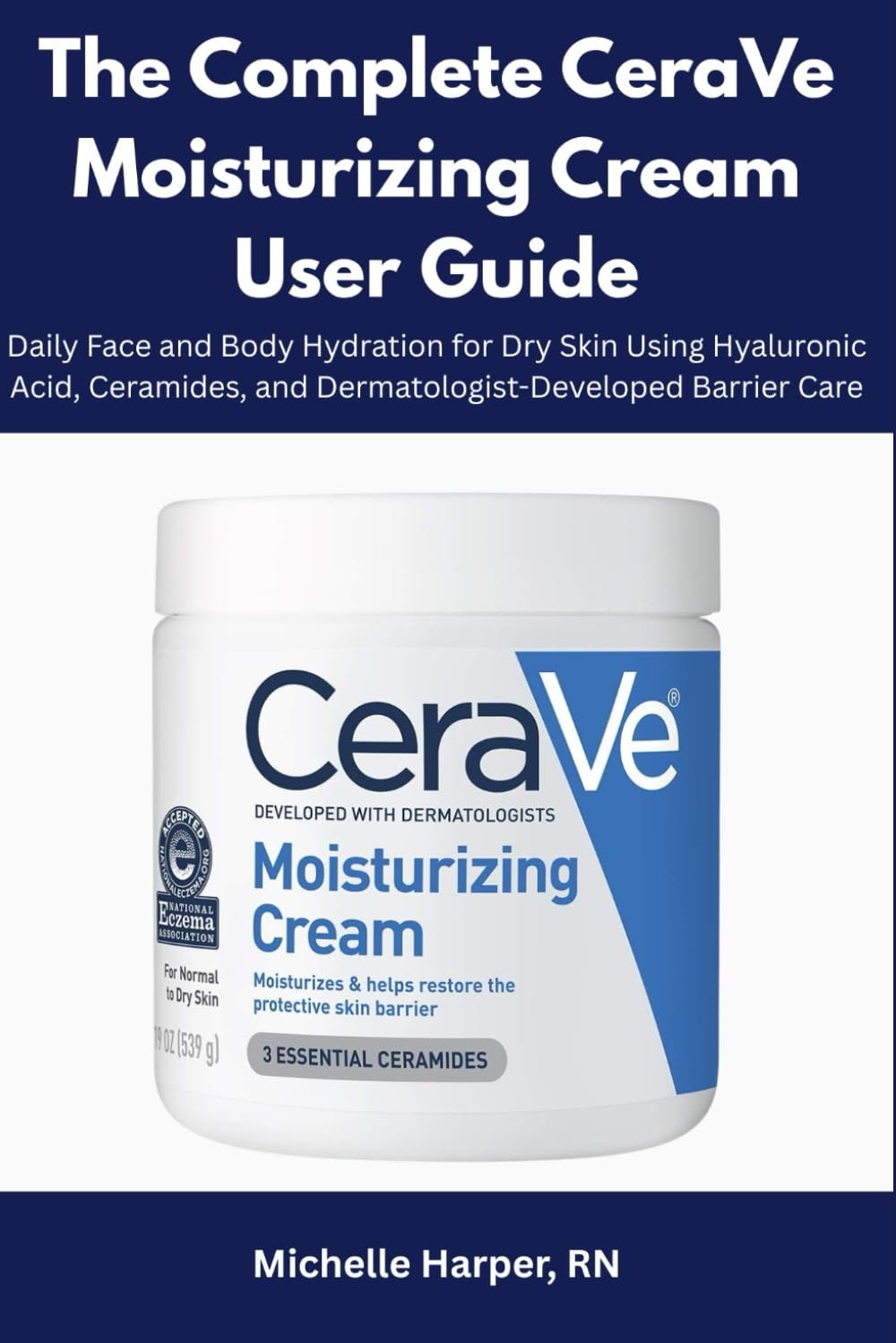
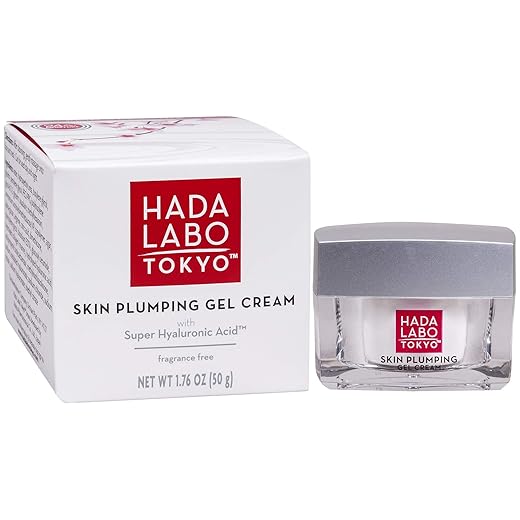
Dryness (tightness, flaking): layer hydration and lock it in. Apply a hyaluronic essence on damp face, then a richer cream; good Amazon picks include Hada Labo Tokyo Skin Plumping Gel Cream and CeraVe Moisturizing Cream. At night, add a thin petrolatum layer on very dry zones to reduce water loss. AliExpress example: travel-size refillable airless pump bottle to keep thick creams hygienic and easier to dispense.
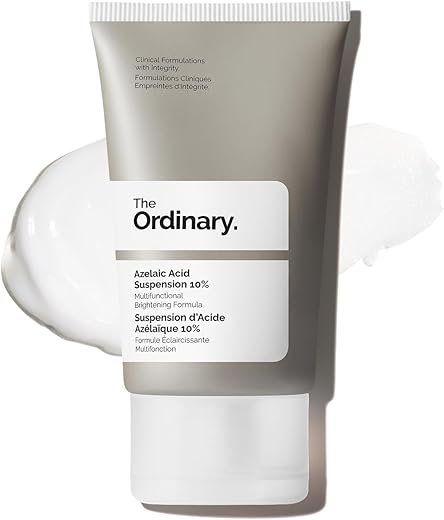
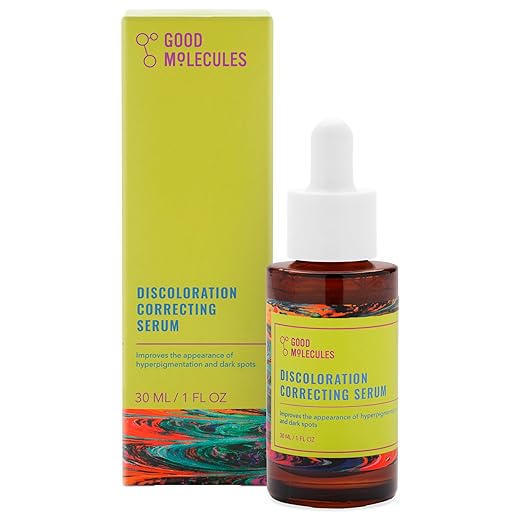
Dark spots (post-blemish marks, sun spots): daily SPF is non-negotiable, then target pigment with azelaic acid or tranexamic acid. Try The Ordinary Azelaic Acid Suspension 10% (Amazon) on alternate nights; if spots are stubborn, consider Good Molecules Discoloration Correcting Serum (Amazon). Don’t over-exfoliate–more isn’t more; consistent use is what makes products work. AliExpress example: UV test card to check sunscreen coverage and reapplication timing.
Choose your AM routine: cleanser → antioxidant → moisturizer → sunscreen
Start with a gentle cleanser that removes oil and SPF from last nighttime without leaving residue: try CeraVe Hydrating Facial Cleanser (Amazon). Massage for 20–30 seconds, then rinse with lukewarm water; if you wear heavy occlusive products, do a quick micellar pre-cleanse using Bioderma Sensibio H2O (Amazon) and a soft cotton pad–one light swipe per area, no scrubbing. Be careful around the eyes and avoid harsh surfactants and drying alcohols in the first step, especially whether you’re oily, dry, or combo.
Next, apply an antioxidant to boost daily defense power: a vitamin C serum (10–20% L-ascorbic acid) works well when applied to clean, slightly damp face. Heres a reliable pick: TruSkin Vitamin C Serum (Amazon) if you want a gentler option, or Timeless 20% Vitamin C + E + Ferulic (Amazon) if you can tolerate stronger actives. Keep the amount small (2–4 drops) and wait ~60 seconds so it sets; this keeps layering smooth and reduces pilling. If you’re already using strong treatments (like retinoids), reserve them for later and keep mornings focused on protection.
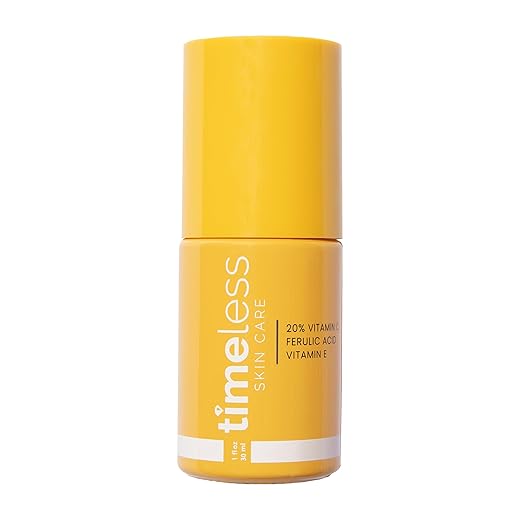
Moisturizer comes third to lock in hydration and minimize tightness under sunscreen. For lightweight comfort, Neutrogena Hydro Boost Gel-Cream (Amazon) is a solid choice; for barrier support, La Roche-Posay Toleriane Double Repair (Amazon) is great. If breakouts are a concern, choose a non-comedogenic formula and keep texture simple–avoiding heavy fragrance. Cynthia often recommends patch testing on the jawline first, which saves you from guessing what caused irritation.
Finish with sunscreen every morning–this is the non-negotiable step. Use broad-spectrum SPF 50, apply two finger lengths for face/neck, and reapply every 2–3 hours when outdoors. Examples from Amazon: La Roche-Posay Anthelios Melt-in Milk SPF 60 and Beauty of Joseon Relief Sun SPF 50+. If you want a quick touch-up over makeup, a compact or stick can be handy; just keep pores clear by cleansing well at night so the finish stays open, not congested.


AliExpress examples (use them as budget alternatives, but check seller ratings and packaging integrity): 1) “Hyaluronic Acid Face Cleanser” travel tube–good as a backup cleanser; 2) “Vitamin C Serum 20%” dropper bottle–choose dark glass, fresh batches; 3) “Ceramide Moisturizing Cream” in an airless pump–reduces contamination; 4) “SPF50+ Sun Cream PA++++” –only buy from stores with strong reviews, and stop using if texture/separation looks off. For product safety, be extra careful with SPF purchases: if the seal is broken, keep it reserved for body or skip it entirely.
AM Skincare Routine — Key Steps & Product Examples
| AM Step | What to Look For | Amazon Example | AliExpress Example |
|---|---|---|---|
| Cleanser | Low-foam, non-stripping formula, rinses clean with no residue | CeraVe Hydrating Facial Cleanser | Hyaluronic Acid Cleanser (travel tube) |
| Antioxidant | Vitamin C + E + ferulic acid, stable packaging, minimal alcohols | Timeless 20% Vitamin C + E + Ferulic | Vitamin C Serum 20% (dark glass dropper) |
| Moisturizer | Ceramides or niacinamide, non-greasy finish, layers well under SPF | La Roche-Posay Toleriane Double Repair | Ceramide Cream (airless pump) |
| Sunscreen | Broad-spectrum SPF 50, no pilling, easy to reapply | Beauty of Joseon Relief Sun SPF 50+ | SPF50+ PA++++ Sun Cream (high-rated store) |
Choose your PM routine: cleanse → targeted treatment → moisturizer
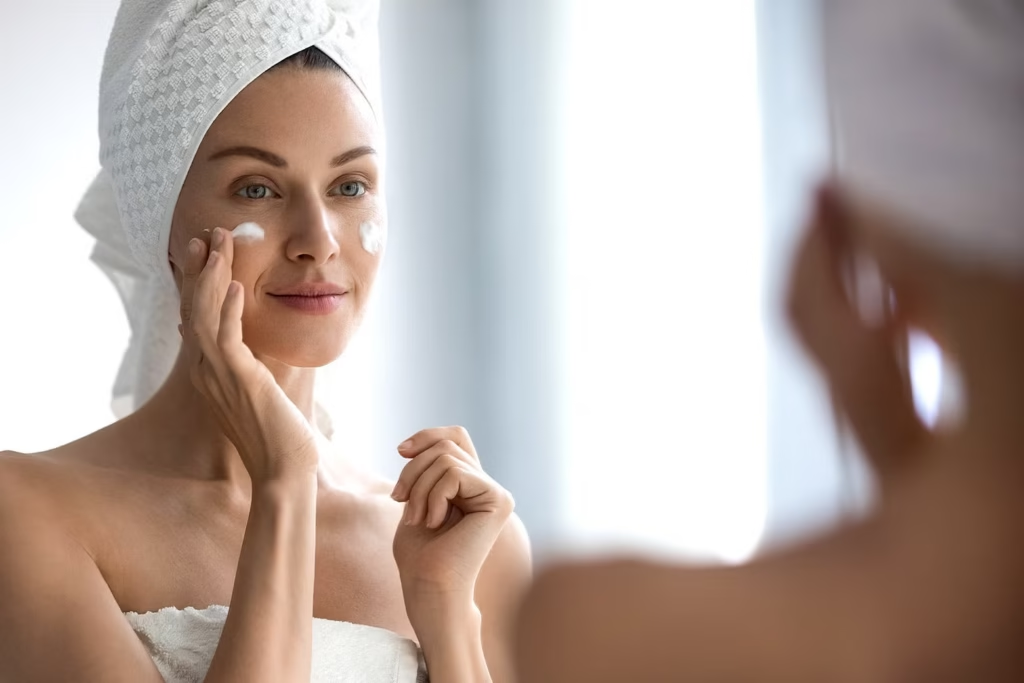
Start with a gentle double cleanse: first use a remover on dry face to dissolve SPF and makeup, then follow with a low-pH wash. If you have sensitivity, choose an oil/balm remover like Amazon’s e.l.f. Holy Hydration! Makeup Melting Cleansing Balm, then a mild gel cleanser such as Amazon’s CeraVe Hydrating Facial Cleanser. Keep the basics simple: 30–60 seconds massage, lukewarm water, and dont scrub–over-cleansing is a common reason for tightness and early signs of irritation.
Next, add one targeted treatment (one product only per night is a good number) based on what you see in the mirror. For dull tone and uneven marks, a vitamin C serum can support a brighter look; try Amazon’s TruSkin Vitamin C Serum. For texture or clogged pores, use a retinoid a few nights per week (not every night at first); Amazon’s Differin Adapalene Gel 0.1% is a widely used option. Apply treatments on fully dry face (wait 2–5 minutes after cleansing) to reduce sensitivity, especially under the eyes and around the nose.


Seal it in with moisturisers that match your climate and comfort level. If you feel dry or flaky, go richer and more hydrating: Amazon’s La Roche-Posay Toleriane Double Repair Face Moisturizer works well with many actives. If you prefer lightweight, Amazon’s Neutrogena Hydro Boost Gel-Cream (fragrance-free) is a reliable choice. For extra barrier support, add a thin layer of petrolatum on dry patches only (not all over) to lower water loss overnight and keep results consistent.

Examples from AliExpress that pair well with this article approach: reusable microfiber makeup remover pads (search “microfiber remover pad set”), a silicone cleansing brush (use gently, 1–2× weekly max), and empty airless pump bottles to keep different serums more stable. Stick to essentials, track irritation signs, and adjust frequency rather than stacking products–this is often the most effective way to get visible improvement without triggering sensitivity.
How to layer products without pilling: order, wait times, and texture pairing
Start with the thinnest, fastest-absorbing textures and move to thicker ones: watery toner → essence/serum → gel moisturizer → cream → SPF. This simple order reduces residue that can roll up when you swipe makeup or sunscreen on top, keeping the finish even and more healthy-looking.
Wait times that actually work: give each layer 30–60 seconds to set, and allow 2–3 minutes after any exfoliating acid or strong active before the next step (this makes a visible difference in pilling). If you use a retinoid, apply it on fully dry face after cleansing–dampness is a common cause of the product balling up and can leave you feeling irritated, especially around the nose and mouth.
Texture pairing rules (quick and practical): avoid stacking multiple silicone-heavy primers, sunscreens, and “blur” moisturizers together–silicone-on-silicone is a high-pilling combo. Pair based textures on the same “family” when possible: water-based hydrating serum under a lightweight gel, then a smoother SPF. On Amazon, try layering Hada Labo Gokujyun Hyaluronic Acid Lotion (watery) → CeraVe PM Facial Moisturizing Lotion (light lotion that keeps barrier support) → Beauty of Joseon Relief Sun SPF50+ (creamy, low-roll finish). This approach minimizes friction and reduces the number of film-formers fighting each other.


Application technique matters more than price: use small amounts (pea-size for moisturizer, two-finger length for SPF), press in instead of rubbing, and don’t overwork layers. Too much product is damaging to the final texture because it never fully sets and turns into visible balls when you swipe. If pilling starts, stop rubbing–lightly pat, then blot with a tissue to lift residue without disturbing coverage.
Prep to prevent roll-ups: cleanse gently, then do a quick hydration “sandwich” on dry areas–thin hydrating layer, then moisturizer, then SPF. If flakes are the trigger, add a mild exfoliant only 2–3 nights/week (not daily) so the surface stays smooth without getting irritated. For barrier support, Amazon options like La Roche-Posay Cicaplast Baume B5 can help “seal” rough patches; some users also like Curél Intensive Moisture Facial Cream to restoretm comfort after actives (use a small amount so it doesn’t pill under sunscreen).

AliExpress examples (budget-friendly tools and textures): a ccrn “soft silicone facial spatula” helps spread creams in an ultra-thin layer (less friction, fewer balls), “travel pump bottles” let you dispense consistent doses, and “lightweight hyaluronic gel moisturizer” listings are useful if you need a gel step that won’t clash with SPF. Choose fragrance-free options when you’re easily irritated, and patch-test to confirm the texture pairing won’t roll.
Q&A:
Is this guide useful if I have sensitive skin and react to many products?
Yes. The guide shows how to build a routine with the lowest “irritation load”: fewer steps, fewer actives, and clear rules for introducing one new product at a time. It explains how to spot common trigger zones (fragrance, strong acids, harsh surfactants), how to do a simple patch test, and how to set a “baseline routine” (cleanser + moisturizer + sunscreen) before adding anything else. You’ll also get examples of gentler ingredient options and how to adjust frequency so you don’t end up with redness, burning, or tightness.
How do I know which steps I actually need—cleanser, toner, serum, exfoliant, retinoid, mask?
The guide helps you choose steps based on goals and skin behavior, not on the number of products. It separates “core” steps (cleanse, moisturize, protect) from “optional” steps (targeted treatments). You’ll learn what each category does, what can be skipped without hurting results, and how to avoid doubling up on similar actives (for example, piling multiple exfoliants). It also includes decision charts: if you’re oily and breaking out, it suggests one type of treatment; if you’re dry and flaky, it suggests a different path.
Does it explain the correct order of products and how long to wait between layers?
Yes. It gives practical layering rules for water-based vs oil-based formulas, treatment products vs moisturizers, and daytime vs nighttime routines. It also covers “wait time” in a realistic way: when it matters (strong actives that sting or pill easily) and when you can move on quickly. There are sample AM/PM routines with timing notes, plus fixes for common issues like pilling under sunscreen or makeup.
I have acne and also dry patches. Can the routine be balanced without making one problem worse?
It addresses combination patterns like that by focusing on barrier support while treating breakouts in a controlled way. You’ll see how to keep acne treatments targeted (spot use or alternate nights), how to choose a cleanser that removes oil without stripping, and how to use a moisturizer that won’t feel heavy but still reduces flaking. The guide also explains warning signs that you’re overdoing actives—tightness, shiny dehydration, increased stinging—and what to adjust first (frequency, product strength, or step count).
Will this help me build a routine on a budget, and does it recommend specific products?
It’s designed to work with different budgets. Instead of pushing a long shopping list, it teaches how to pick one solid option per step and how to read labels so you don’t pay extra for marketing. It focuses on categories and ingredients (for example, what to look for in a basic cleanser or daily sunscreen), plus how to avoid buying duplicates that do the same job. If product examples are included, they’re presented as optional references rather than requirements.
Is this guide useful if I don’t know my skin type and I keep buying random products that irritate me?
Yes. The guide walks you through a simple, product-free way to identify your skin type and main concerns (dryness, oiliness, dehydration, sensitivity, acne, pigmentation). It then shows how to build a routine from the ground up: what to use in the morning vs. at night, which steps matter most, and which ones you can skip. You’ll also get practical rules for choosing formulas (for example, fragrance-free options for reactive skin, lighter textures for oily skin, and barrier-supporting moisturizers for dryness), plus a clear method for patch testing and introducing one new product at a time so you can spot what’s causing irritation. If you’re overwhelmed by “10-step” routines, it also includes a minimal routine template (cleanser + moisturizer + sunscreen) and explains when to add treatments like retinoids, exfoliants, or vitamin C without triggering redness or peeling.



No Comment! Be the first one.