


Best Natural Hair Oils help restore hair health by delivering deep nourishment, strengthening strands, and improving shine naturally. In this article, you’ll discover which natural oils work best for different hair types, how they support scalp health, and how to use them effectively for growth, hydration, and damage repair.
Table Of Content
- Plant-Based Oils for Scalp Care, Length Protection, and Damage Recovery
- How to choose an oil by hair type (fine, thick, curly, coily, oily scalp)
- Castor oil for thicker-looking roots: dilution ratios and scalp application steps
- Rosemary-infused oil for scalp massage: timing, frequency, and irritation checks
- Coconut oil for protein loss control: pre-wash method and who should avoid it
- Argan oil for shine and frizz control: leave-in amounts for short vs long hair
- Jojoba oil for oily scalp balance: using it without greasing the lengths
- Q&A
- Which natural oil is best for hair growth, and how should I apply it without making my scalp greasy?
- I have dry, frizzy hair with split ends. Which oils help with shine and smoothing, and what’s the right amount?
- Is coconut oil good for damaged hair, or can it make my hair feel stiff and dry?
- Use castor diluted with a lighter carrier on sparse edges 2–3 nights weekly to boost root thickness without heavy buildup.
- Jojoba mimics sebum; apply in micro-doses to the scalp for comfort and to mid-lengths for lightweight hydration without greasing.
- Argan in tiny leave-in doses adds shine and controls frizz; apply only to mid-lengths and ends to avoid flat roots.
- Rotate pre-wash masks (coconut, avocado, almond) weekly for deep softness and damage recovery; clarify regularly to prevent buildup.

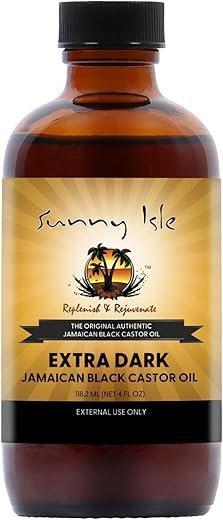
Use cold-pressed castor on the scalp 2–3 nights per week: massage 3–5 minutes, leave 60–90 minutes, then shampoo twice. A reliable Amazon pick is Jamaican Black Castor Oil (Sunny Isle) or Heritage Store Castor Oil; both are thick, so mix 1:1 with jojoba to spread easier and reduce buildup.

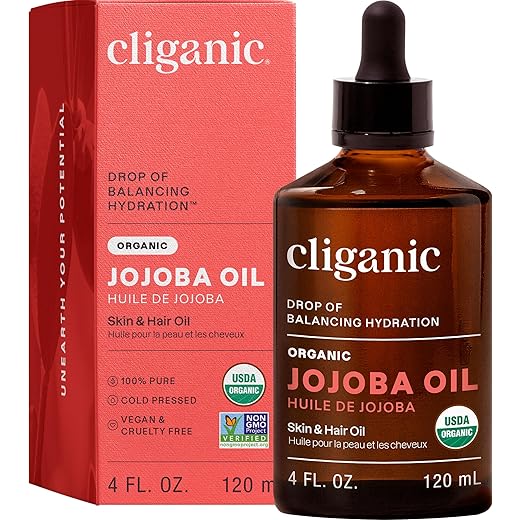
For lightweight hydration and softness, apply jojoba mid-length to ends–3–6 drops on damp strands, then blow-dry or air-dry. Look for Cliganic Organic Jojoba Oil or NOW Solutions Jojoba Oil on Amazon; this wax-ester profile mimics scalp sebum and helps calm dryness without leaving a heavy film.

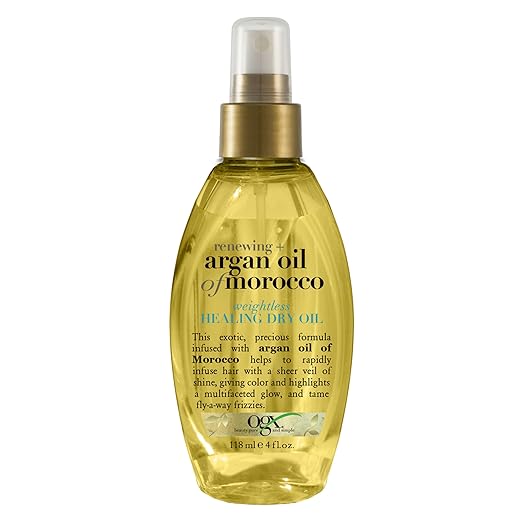
To add gloss and reduce roughness after heat styling, choose argan: rub 1–2 drops between palms and glaze the surface layer only. Amazon staples include Moroccanoil Treatment and OGX Renewing + Argan Oil of Morocco; keep it away from roots to avoid flatness.

For brittle ends and split-prone length, rotate avocado and almond as a weekly pre-wash mask: apply 1–2 teaspoons, cover 30 minutes, rinse, then shampoo. Options on Amazon: Now Solutions Avocado Oil and Sweet Almond Oil by NOW or Handcraft Blends; both deliver a more slip-heavy, nourishing finish than jojoba.

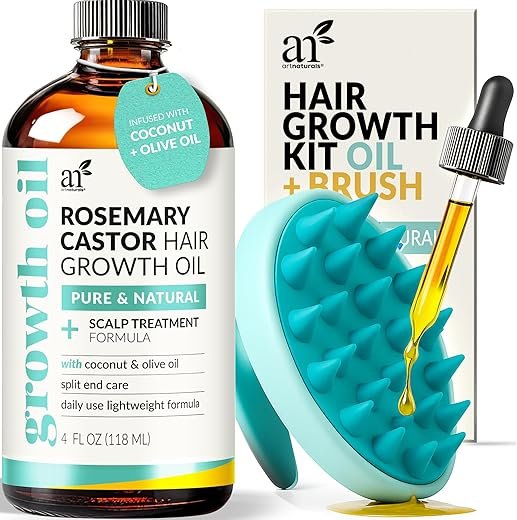
To support a fuller-looking hairline, add rosemary via a ready-made scalp blend rather than DIY dilution guesswork. Amazon picks like Mielle Rosemary Mint Scalp & Hair Strengthening Oil or ArtNaturals Rosemary + Castor Scalp Oil pair rosemary with carrier bases (often including castor/jojoba) so you can apply 5–10 drops, massage, and wash out after 1–2 hours.

Plant-Based Oils for Scalp Care, Length Protection, and Damage Recovery
Apply jojoba to the scalp 2–3 times per week: 6–8 drops, massage 3 minutes, leave 30–60 minutes, then shampoo. Its wax-ester profile feels close to scalp sebum, so it supports comfort without heavy buildup–useful if you deal with tightness, flakes, or itch from dryness. Amazon examples: Cliganic Organic Jojoba Oil, NOW Solutions Jojoba Oil.
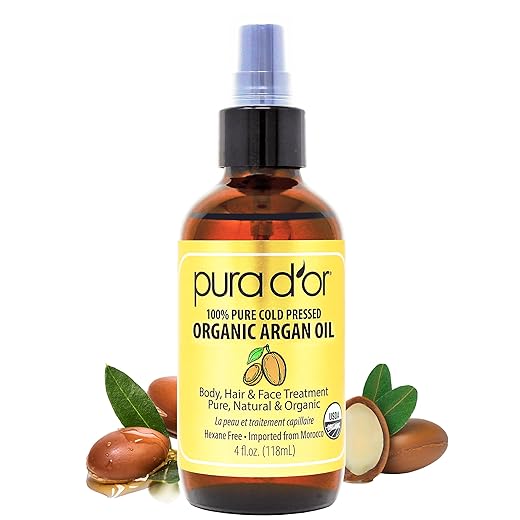
Seal fragile lengths after washing with 1–3 drops of argan on damp mid-lengths and ends to reduce friction and split-end progression. Keep it away from roots if your scalp gets oily. Amazon examples: PURA D’OR Organic Moroccan Argan Oil, Moroccanoil Treatment Light (silicone blend with argan–great slip, less snagging).

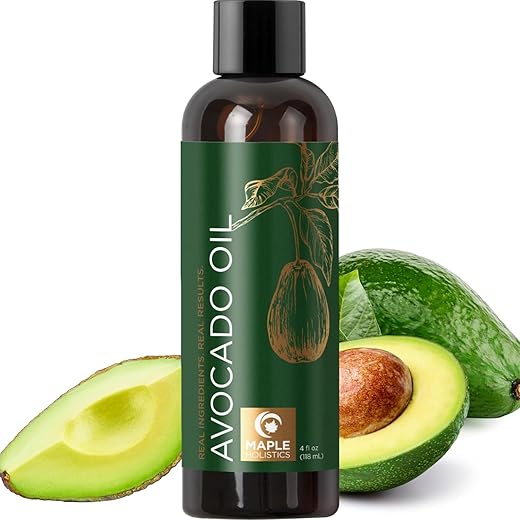
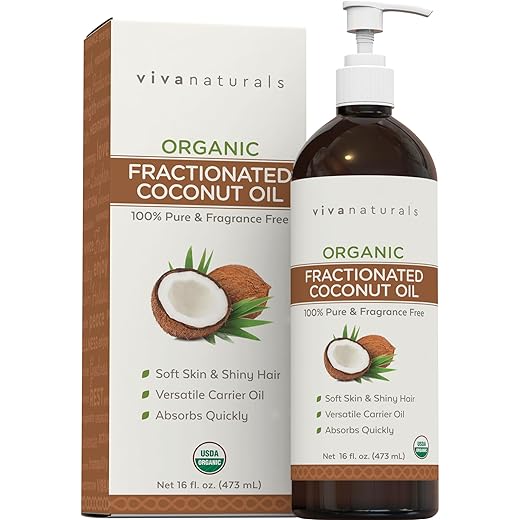
When you need deeper softness and less snapping, rotate a pre-wash mask: mix avocado + coconut 1:1 (about 1 tablespoon total for shoulder length), warm between palms, coat lengths, leave 20–40 minutes, then double-cleanse. Coconut penetrates the fiber well; avocado brings a more buttery feel that helps dry, porous strands. Amazon examples: Viva Naturals Fractionated Coconut Oil, Maple Holistics Avocado Oil.
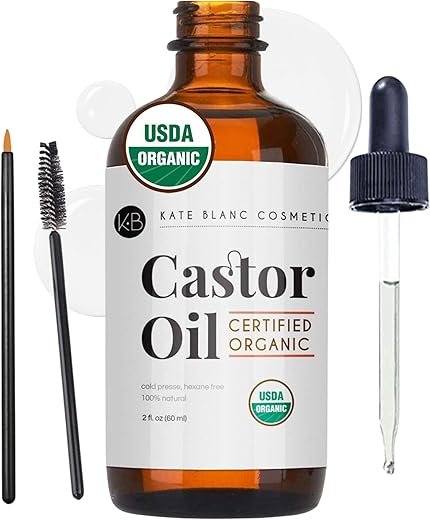
Use castor only as a targeted helper on sparse edges: dilute 1 part castor with 3–4 parts almond to improve spread, then apply a thin film 3 nights per week; wash in the morning if your scalp clogs easily. This combo gives a thicker “grip” without turning into a sticky layer. Amazon examples: Kate Blanc Castor Oil, Sweet Almond Oil by NOW Solutions.
- Scalp comfort (dry/itchy): jojoba solo, or jojoba + 1–2 drops rosemary per 10 ml carrier (patch test first).
- Length protection (heat/friction): argan micro-dose on damp ends; reapply 1 drop to dry ends before braids or ponytails.
- Damage recovery routine: coconut + avocado pre-wash 1× weekly, then argan to finish; keep castor blends limited to edges.
- Nourishing DIY blend (30 ml): 15 ml jojoba + 10 ml almond + 5 ml argan; optional rosemary 3–6 drops total (0.5–1%).
- Patch test rosemary behind the ear (24 hours) before scalp use.
- Start small: too much product can trap dirt and make breakage worse during detangling.
- Clarify every 2–4 weeks if you use heavier blends (castor/coconut) to prevent dullness.
How to choose an oil by hair type (fine, thick, curly, coily, oily scalp)
Fine strands: pick a lightweight sebum-like option and apply 2–4 drops only on mid-lengths to ends. jojoba absorbs fast and helps reduce “flat” roots when you keep it off the scalp. Amazon examples: Cliganic Jojoba Oil or NOW Solutions Jojoba Oil (use as a leave-in on damp hair).

Thick strands: go richer and more nourishing with slow-absorbing blends. avocado is great when ends feel rough; use 1–2 tsp as a 30–60 minute pre-wash mask, then shampoo twice. Amazon examples: Handcraft Blends Avocado Oil or Maple Holistics Avocado Oil.
Curly patterns: prioritize slip + hydration support, then seal with a medium-weight finish. argan works well to reduce frizz without turning curls stiff; start with 3–6 drops scrunched into wet hair, then air-dry or diffuse. Amazon examples: Moroccanoil Treatment (argan-based) or PURA D’OR Argan Oil.
Coily textures: choose heavier sealing plus a deep pre-wash option to cut breakage. coconut can help reduce protein loss on some hair types; try it as a pre-shampoo layer (1 tbsp on damp sections, 20–30 minutes) and follow with conditioner. If it makes your coils feel hard or dry, switch to avocado or mix almond with a leave-in to keep softness. Amazon examples: Viva Naturals Fractionated Coconut Oil (lighter) and Sweet Almond Oil by NOW Solutions.
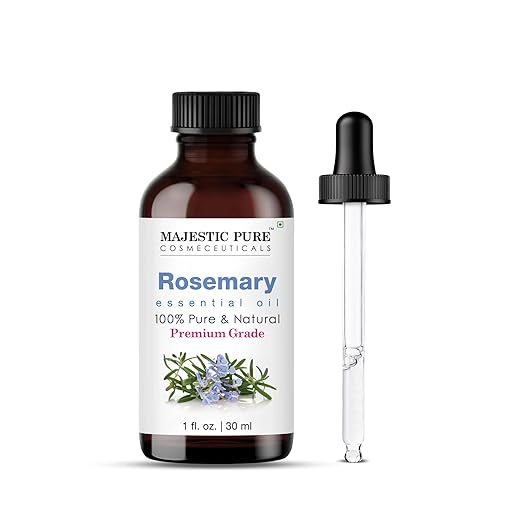
Oily scalp: avoid heavy coating at the roots; target lengths, and use scalp application only as a short rinse-out. rosemary works well when diluted: add 2–3 drops rosemary essential oil into 1 tbsp jojoba, massage into scalp 3–5 minutes, leave 15–20 minutes, then shampoo. This keeps the regimen effective without greasiness. Amazon examples: MAJESTIC PURE Rosemary Essential Oil + Cliganic Jojoba Oil.
Castor oil for thicker-looking roots: dilution ratios and scalp application steps
Mix castor with a lighter carrier at 1:2 (1 part castor + 2 parts carrier) to get thicker-looking roots without sticky buildup. If your scalp is oily or easily clogged, go 1:3. If your scalp is very dry and needs extra hydration, try 1:1 but keep the contact time shorter.
- Fast-absorb blend: castor + jojoba (balances feel, less greasy)
- Softening blend: castor + almond (lighter slip, easy to spread)
- Deep-conditioning blend: castor + avocado (richer, more weight–use smaller amounts)
- Budget-friendly blend: castor + fractionated coconut (more glide; avoid if coconut tends to clog your scalp)
Add rosemary essential oil only at a safe low level: 0.5–1%. Practical math: 10 ml total blend = 1–2 drops; 30 ml total blend = 3–6 drops. Patch-test behind the ear for 24 hours, and skip essential oils if you have dermatitis, are pregnant, or your scalp is reactive.
- Part the scalp into 4–6 sections; apply on a clean or day-2 scalp (heavy product blocks contact).
- Dispense precisely: use a dropper bottle and place 6–12 drops total across the scalp, focusing on the crown and hairline rather than saturating lengths.
- Massage 2–3 minutes with fingertips (small circles). This helps distribution; don’t scratch.
- Leave-on time: 30–90 minutes. Overnight is optional but increases the chance of buildup and itch.
- Rinse-out method: apply shampoo to dry scalp first, emulsify, then add water. Repeat if needed. Finish with conditioner only on mids/ends.
- Frequency: 2×/week for 6–8 weeks, then reduce to 1×/week if roots feel coated.
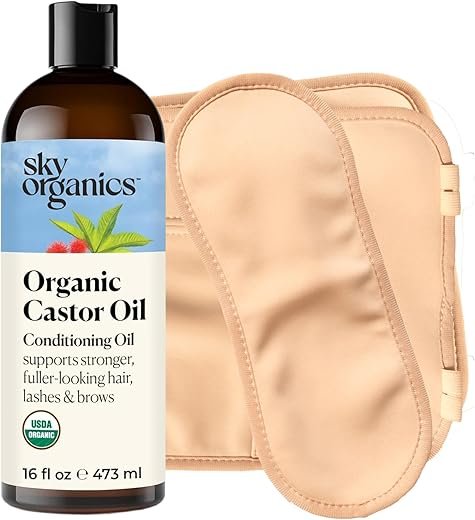
To keep results “root-lifting” instead of heavy, stay consistent with small doses and use a nourishing blend rather than pure castor. A practical Amazon setup: Sky Organics Castor Oil + NOW Solutions Jojoba Oil + Majestic Pure Rosemary Essential Oil, stored in an amber dropper bottle (look up “amber dropper bottle 1 oz” on Amazon).
Rosemary-infused oil for scalp massage: timing, frequency, and irritation checks
Massage a rosemary-infused blend into the scalp for 3–5 minutes, then leave it on 30–90 minutes before washing; if your scalp tolerates it well, you can extend to overnight once per week (use an old towel or a sleep cap). Aim for 2–4 sessions weekly: 2x/week for sensitive scalps, 3x/week for normal, and up to 4x/week if you have very dry roots and no redness.
Use a light, nourishing carrier to keep slip without clogging: jojoba works well for most scalp types, while almond adds softness and hydration for dry, tight-feeling skin. If your strands feel rough, add a small portion of avocado to increase conditioning; if you need heavier seal and thicker feel at the roots, mix in a little castor (keep it low to avoid buildup). If you like a faster-rinsing texture, keep coconut minimal or skip it on easily irritated scalps.
Timing matters: apply on a dry or slightly damp scalp 30–60 minutes before your shower when you want quick cleanup; use 60–90 minutes on wash days when flakes or tightness are noticeable. For fine hair that gets greasy fast, stick to 20–40 minutes and focus on the scalp only, not the lengths. For coarse or curly hair, distribute the remainder through mid-lengths for extra hydration, but avoid drenching the ends if they’re already coated with stylers.
Irritation checks: do a 24-hour patch test behind the ear or on the inner forearm with the same dilution you’ll use on the scalp. During massage, stop if you feel burning, itching, or see blotchy redness–rinse with lukewarm water and use a mild shampoo. Keep rosemary low if you’re prone to sensitivity: start around 1% (about 6 drops per 30 ml carrier) and do not exceed ~2% (about 12 drops per 30 ml). If you use exfoliating scalp products (acids, scrubs, dandruff actives), separate them by at least 24–48 hours to reduce sting.
Amazon product examples to match this routine: MAJESTIC PURE Rosemary Essential Oil (dilute into jojoba or almond), Cliganic Jojoba Oil (light carrier), NOW Solutions Sweet Almond Oil (extra softness), Sky Organics Castor Oil (use a small amount), and Plant Therapy Rosemary Essential Oil (consistent dilution-friendly dropper). Mix in a small glass bottle and shake before each use to keep the rosemary evenly distributed.

Coconut oil for protein loss control: pre-wash method and who should avoid it
Use coconut as a pre-wash step 30–60 minutes before shampoo to reduce protein loss during washing, especially on bleached, colored, or heat-styled lengths. Apply 1–2 teaspoons to dry mid-lengths and ends (not the scalp), comb through, then cover with a shower cap. Shampoo twice to remove residue, then condition as usual. For fine hair, start with 5–10 drops only; over-application can leave strands heavy and dull.
Pre-wash method (repeat 1–2×/week): Part dry hair into 4–6 sections, warm a pea-size amount between palms, and press it into the most fragile areas (ends, porous sections). Avoid soaking the roots. If you need extra hydration without grease, mix 3 parts coconut with 1 part jojoba (lighter feel) or 1 part argan (more slip). For extra softening on coarse texture, swap in a few drops of almond instead of argan. Rinse with lukewarm water; hot water can increase frizz and make buildup harder to remove.
Who should avoid or limit coconut: very low-porosity strands that already feel stiff, anyone prone to heavy buildup, and people whose hair reacts with more dryness or brittleness after use (a common sign it’s not absorbing well). Also skip scalp application if you have seborrheic dermatitis or frequent itching–use a lighter option like jojoba on lengths and keep the scalp clean. If you want a stimulating scalp routine, use diluted rosemary in a separate scalp serum (not mixed into heavy pre-wash coatings) to avoid clogged follicles.
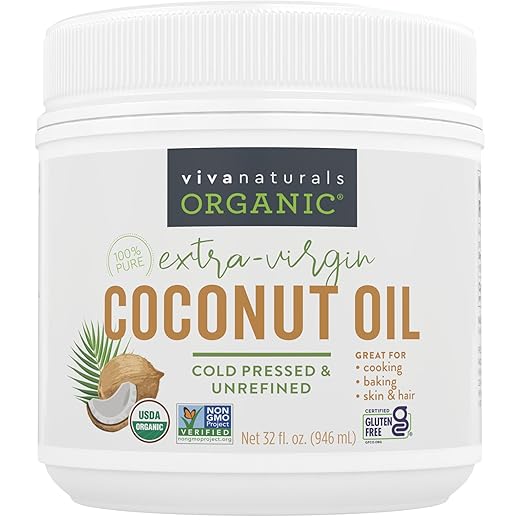
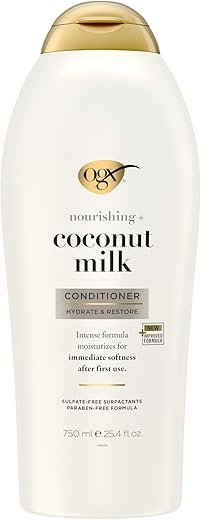
Product examples (Amazon): Viva Naturals Organic Extra Virgin Coconut Oil (solid, easy to warm in hands), OGX Nourishing + Coconut Milk (lightweight conditioning option after shampoo), and PURA D’OR Organic Jojoba Oil (good blending partner). If you prefer thicker sealing on ends, try a small amount of castor mixed 1:4 with coconut to prevent a sticky finish; do not use castor alone unless your hair is very dense and you shampoo thoroughly.
Argan oil for shine and frizz control: leave-in amounts for short vs long hair
Use argan as a leave-in in tiny, measured doses: short length = 1–2 drops (about 0.05–0.10 ml), medium = 2–4 drops (≈ 0.10–0.20 ml), long/thick = 4–8 drops (≈ 0.20–0.40 ml). Warm it between palms for 5–7 seconds, then apply from mid-lengths to ends, and use what’s left on hands to lightly skim the surface layer. This placement gives instant gloss and frizz control without greasy roots.
For short styles: start with 1 drop on damp strands after towel-drying (about 70–80% dry). If flyaways show up after blow-drying, add ½ drop by rubbing palms, then pinching just the ends. For long length: split into two sections; use 2–4 drops per section on damp hair, then add 1 drop only if ends feel rough after heat styling. If you use a diffuser or straightener, keep total leave-in under 0.5 ml to avoid a coated feel.
To boost hydration and reduce puffiness in humid weather, blend argan + jojoba at 2:1 (example: 2 drops argan + 1 drop jojoba). If ends are very dry, swap the third drop with avocado (heavier, more sealing). Avoid pairing leave-in with too much coconut on fine strands–use it as a pre-wash instead, because it can feel waxy when layered with styling products.
For a more nourishing routine without frizz rebound, keep heavy options like castor off the length as a leave-in: reserve it for a scalp rinse-out blend. If you want a stimulating add-on, mix 1 drop rosemary essential oil into 30 ml of your carrier blend (argan/jojoba); never apply rosemary undiluted. This keeps the finish sleek while staying scalp-safe.
| Hair length / density | Leave-in dose (argan) | Where to apply | Frizz-control combo | Product examples (Amazon) |
|---|---|---|---|---|
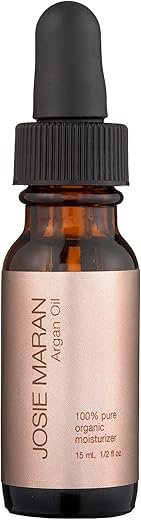
| Short / fine | 1–2 drops (0.05–0.10 ml) | Ends only + light surface skim | Argan + Jojoba (2:1) | Moroccanoil Treatment Light; Josie Maran 100% Pure Argan Oil |
| Medium / normal | 2–4 drops (0.10–0.20 ml) | Mid-lengths → ends | Argan + Avocado (3:1) | OGX Renewing + Argan Oil of Morocco; The Ordinary 100% Organic Cold-Pressed Argan Oil |
| Long / thick / curly | 4–8 drops (0.20–0.40 ml) | Sectioned application; ends last | Argan + Jojoba + Coconut (4:2:1) | Moroccanoil Treatment (Original); Pura D’or Organic Argan Oil |

Jojoba oil for oily scalp balance: using it without greasing the lengths
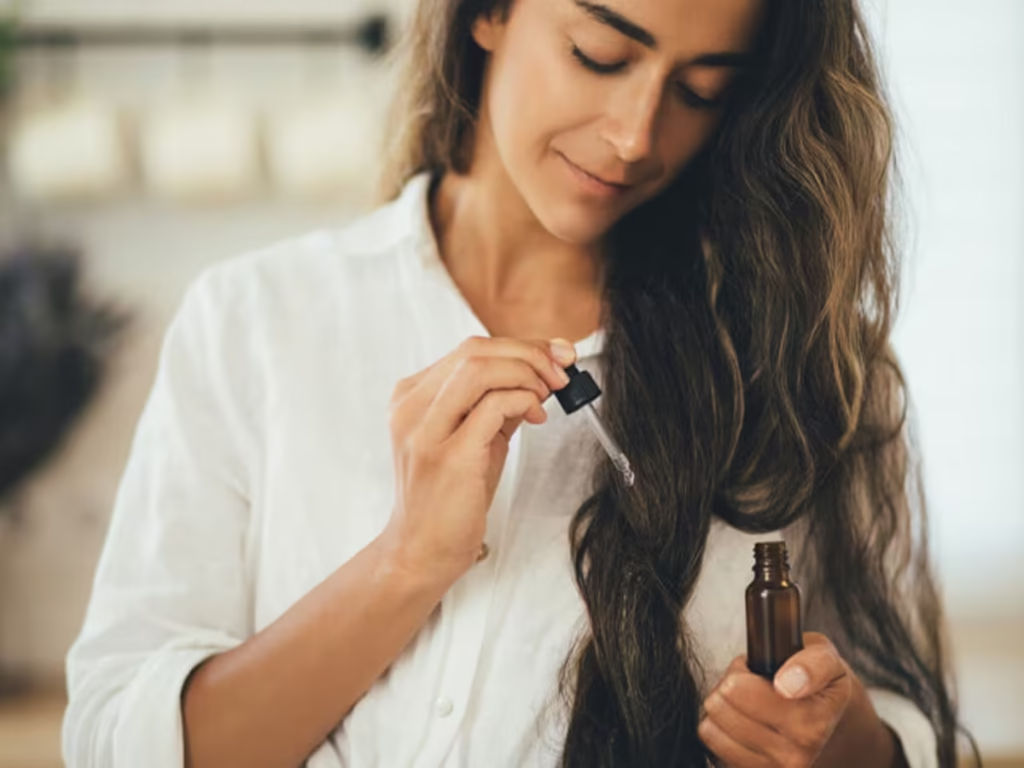
Apply jojoba only to the scalp in micro-doses: 6–10 drops total, split into 3–5 partings, then massage for 60–90 seconds and leave it on for 20–40 minutes before shampooing. This amount helps balance excess sebum without coating the lengths, because jojoba’s wax-ester profile is closer to scalp sebum than heavy butters.
To prevent greasing mid-lengths and ends, keep the oil at least 5–7 cm away from the hairline and avoid “pulling” it through strands. If your ends need hydration, use a separate, tiny leave-in blend: 1 drop almond + 1 drop avocado warmed between palms, then tap it only onto the last 3–5 cm. Skip coconut on fine or low-porosity strands–its coating feel can look oily fast and make shampooing harder.
For a scalp that feels greasy by day 2, use a targeted pre-wash routine 2–3× weekly: jojoba + rosemary essential oil at a safe dilution (about 1 drop rosemary per 1 tsp jojoba). Focus on the crown and sides where oil builds up, then shampoo twice. If you want extra slip without heaviness, mix jojoba with a few drops of a light “scalp serum” base instead of adding more oil volume.

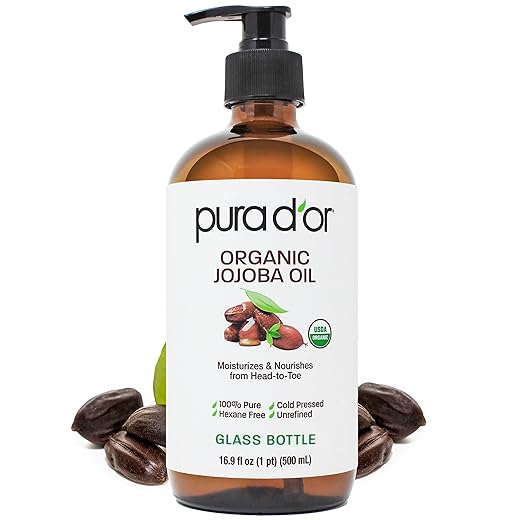
Product examples (Amazon): Cliganic Organic Jojoba Oil (dropper makes dosing easier), NOW Solutions Jojoba Oil (light texture), Plant Therapy Rosemary Essential Oil (use diluted), and Maple Holistics Jojoba Oil (good for scalp-only applications). If your scalp is also flaky, alternate with a rinse-out mask that’s more nourishing but still controlled, and keep heavier options like castor strictly as a “spot” oil on sparse areas (1–2 drops max), not across the whole scalp.

Q&A:
Which natural oil is best for hair growth, and how should I apply it without making my scalp greasy?
For growth support, many readers do well with rosemary oil diluted in a carrier (like jojoba or grapeseed). Rosemary isn’t used “straight” on the scalp—mix 2–3 drops of rosemary essential oil into 1 tablespoon (15 ml) of carrier oil. Massage into the scalp for 2–3 minutes, leave it on for 30–90 minutes, then shampoo twice. Use 2–3 times per week. If your scalp gets oily quickly, choose jojoba (it feels lighter) and apply mainly to the scalp, not the lengths. If you notice itching, redness, or flaking, stop and patch-test a lower dilution.
I have dry, frizzy hair with split ends. Which oils help with shine and smoothing, and what’s the right amount?
For shine and frizz control, readers usually like argan oil or camellia (tea seed) oil because they smooth the cuticle without feeling heavy. Use a tiny amount: for shoulder-length hair, rub 1–3 drops between your palms and apply to mid-lengths and ends on damp hair; add 1 more drop only if needed. For very dry ends, you can “seal” after styling with 1 drop. Oils won’t heal split ends permanently, but they can make ends look neater and reduce snagging until your next trim.
Is coconut oil good for damaged hair, or can it make my hair feel stiff and dry?
Coconut oil works well for some people and poorly for others. It can reduce swelling during washing and may help some types of damage, but on certain hair types it can leave a stiff, straw-like feel, especially with frequent use or heavy application. If you want to try it, use it as a pre-wash rather than a leave-in: apply a small amount to the lengths for 30–60 minutes, then shampoo thoroughly and follow with conditioner. If your hair tends to be coarse, very curly, or already protein-sensitive, you may prefer argan, avocado, or olive oil for softness instead.



No Comment! Be the first one.