


Prevent Dark Spots After Waxing is a common concern for anyone who regularly removes unwanted hair and wants to keep their skin smooth and even-toned. Waxing can leave the skin sensitive, irritated, and more prone to hyperpigmentation if proper aftercare is neglected. Factors such as inflammation, sun exposure, and incorrect post-wax routines often contribute to the appearance of dark spots. By understanding why these marks form and adopting the right skincare practices immediately after waxing, you can protect your skin, speed up recovery, and maintain a clear, radiant complexion.
Table Of Content
- Opt for A Different Hair Removal Method
- Why Shaving Might Be Better for Sensitive Areas
- Considering Laser Hair Removal for Long-Term Results
- How Depilatory Creams Work on Different Skin Types
- Look For Products With Brightening Ingredients
- Key Ingredients to Search for on Product Labels
- When and How to Apply a Brightening Serum
- Mistakes to Avoid When Using Acid-Based Products
- Question-Answer
- Why do I get dark spots after waxing, and are they permanent?
- What should I do right after waxing to prevent irritation and dark marks?
- Can I wax my face if I’m prone to hyperpigmentation?
- Are there specific ingredients I should look for in products to use after waxing?
- How long should I wait after waxing before applying sunscreen or makeup?
- Why do I sometimes get dark spots after waxing, and is it more common on certain skin types?
- What specific steps can I take before and after my appointment to minimize the risk of dark patches?
- Use gentle post-wax care: cool compresses, fragrance-free moisturizers, and barrier-repair products to prevent irritation and pigmentation.
- Daily broad-spectrum sunscreen (SPF 30+ or 50+) is essential to stop dark spots from worsening and to help them fade.
- Consider less traumatic hair-removal methods or professional treatments; use targeted brightening ingredients under guidance for persistent spots.

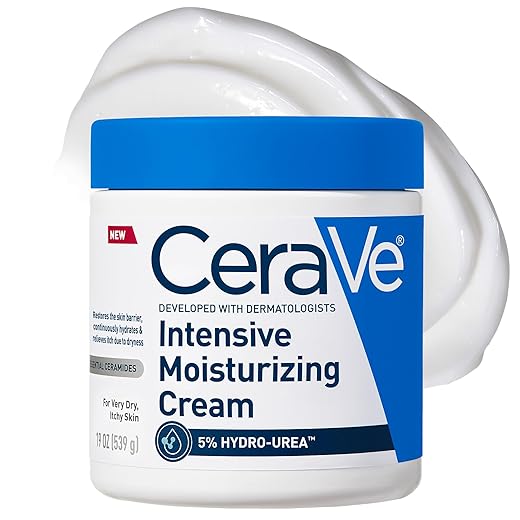
Immediately following hair removal, adopt a gentle skincare ritual. This means using a cleanser free of harsh sulfates and applying a fragrance-free lotion like CeraVe Moisturizing Cream to reinforce your skin barrier. Keeping the treated areas soothed and hydrated is important to avoid irritation, which often leads to discoloration.
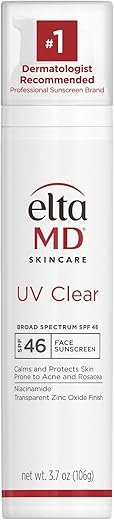
If youre seeing persistent shadows where hair once was, you have ways to address them. Board-certified dermatologist Dr. Anna Smith, FAAD, says, “The cornerstone of managing post-inflammatory hyperpigmentation is consistent sun protection.” A broad-spectrum SPF 50+, such as EltaMD UV Clear Facial Sunscreen, is non-negotiable every single day, as UV exposure will make any mark darker and wont allow it to fade.
For existing discoloration, integrate targeted brightening agents into your home care. Look for serums containing hydroxy acids like glycolic or lactic acid, such as Paula’s Choice Skin Perfecting 8% AHA Gel, or vitamin C. Dont attempt to aggressively scrub marks away; that approach can worsen the problem. For stubborn cases, an in-office appointment for treatments like chemical peels or laser therapy can be highly effective solutions.

While many find success with over-the-counter help, stronger options exist. Ingredients like hydroquinone are potent but require guidance. “A product with 2% hydroquinone might be helpful, but it’s crucial to consult a professional for its appropriate use,” Dr. Smith advises. This and other prescription-strength topicals are tools a provider can recommend during a consultation to effectively treat the concern, ensuring you achieve the clear, even skin tone you desire without compromising skin health.
Opt for A Different Hair Removal Method
Consider switching to a more gentle procedure if you’re prone to post-inflammatory hyperpigmentation. Laser hair removal targets the follicle with light energy, which won’t traumatize the skin’s surface like waxing can. Dr. Anna Guanche, a board-certified faad, says, “For many patients, laser is a superior long-term option because it avoids the repeated tugging and inflammation that lead to discoloration.”
At-home devices, like the Braun Silk-Expert Pro 5, offer a controlled alternative. For finer hair, using a quality epilator such as the Braun Epilator Silk-épil 9 can be less irritating than wax strips. If you prefer a cream, select a depilatory formulated for sensitive skin and always patch test.

| Method | Key Benefit for Skin | Product Example |
|---|---|---|
| Laser Hair Removal | Reduces inflammation at the follicle | Tria Beauty Hair Removal Laser 4X |
| At-Home IPL | Gentle, gradual reduction in hair growth | Braun Silk-Expert Pro 5 |
| Sensitive Skin Depilatory | Dissolves hair without physical pulling | Veet Sensitive Skin Hair Removal Cream |

If discoloration is still a concern, incorporate a brightening lotion with ingredients like hydroxy acids or licorice root extract into your routine. The CeraVe Skin Renewing Vitamin C Serum is an effective over-the-counter option. For stubborn patches, in-office solutions such as chemical peels or laser toning are powerful ways to treat existing marks. Schedule a consultation appointment to discuss them.

Ultimately, the most important step is choosing a method that aligns with your skin’s tolerance. If youve have reactions in the past, exploring other aesthetic paths might be the key to maintaining an even complexion. Dont hesitate to seek professional help to find the best strategy for you.
Why Shaving Might Be Better for Sensitive Areas
For delicate zones like the bikini line or underarms, consider a high-quality single-blade razor as a primary procedure. Shaving removes hair at the skin’s surface, which leads to less trauma and inflammation compared to waxing’s uprooting action–a key factor for those prone to post-inflammatory hyperpigmentation. When youre seeing irritation or discoloration from waxing, switching methods can be one of the most effective ways to maintain skin clarity.

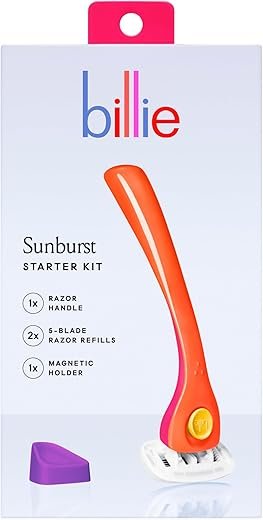
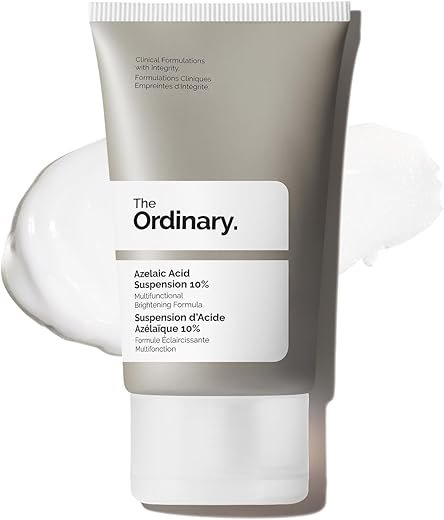
Implement a meticulous routine: always use a shaving gel or cream, like Cremo Cooling Shave Cream, and a sharp blade such as the Billie Starter Kit. Follow immediately with a soothing, fragrance-free lotion containing niacinamide or centella asiatica; La Roche-Posay Lipikar Balm AP+ is excellent for keeping the barrier intact. For any residual marks, consistent use of a brightening serum with azelaic acid or licorice root extract at home is important. Solutions like The Ordinary Azelaic Acid Suspension 10% can be helpful.

Remember, youve still have options if getting smooth skin without marks is a challenge. For stubborn discoloration, professional in-office treatments remain superior. Schedule a consultation appointment with a skin specialist to discuss laser hair removal or chemical peels, which target the hair follicle and surface pigmentation directly, offering a more permanent result that bypasses the risk of repeated irritation from either shaving or waxing them.
Considering Laser Hair Removal for Long-Term Results
Schedule a consultation with a board-certified dermatologist or a reputable aesthetic provider to determine if you are a suitable candidate, as the procedure is most effective on dark hair and fair skin, says a FAAD.
Unlike temporary methods, laser hair removal targets the follicle with concentrated light, which leads to a significant long-term reduction. You might require a series of appointments, typically 6-8 sessions, for optimal results.
For post-procedure care that is gentle and helps soothe the skin, consider a product like the ‘La Roche-Posay Cicaplast Baume B5‘. If you experience any persistent discoloration, a professional can prescribe solutions like hydroquinone, but never use such potent ingredients at home without guidance.

While this method offers a lasting solution, you’ve still got to protect treated areas from sun exposure with a high-SPF sunscreen daily, as UV rays can cause complications. For maintenance between sessions, a helpful at-home tool is the ‘Braun Silk-Expert Pro 5 IPL‘, which uses similar light technology for touch-ups.
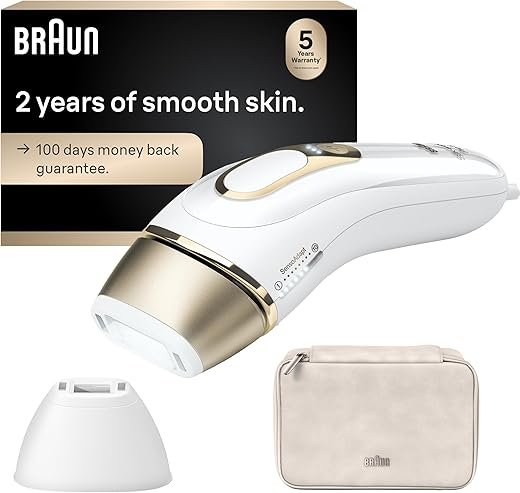
Commitment to the full treatment plan and aftercare is crucial for achieving the smooth, hair-free outcome you want, making it a definitive answer for those seeking to move beyond routine hair removal.
How Depilatory Creams Work on Different Skin Types
Select a formula based on your skin’s sensitivity and hair texture, as the active ingredients break down keratin in the hair shaft just below the skin’s surface. For optimal results and safety, always conduct a patch test 24 hours before full application.

- Oily or Resilient Skin: Creams with calcium thioglycolate effectively dissolve coarse hair. The Nair Cocoa Butter Cream is helpful for thicker hair on resilient skin, but limit use to twice weekly to avoid irritation.
- Dry Skin: Seek out moisturizing variants containing almond oil or shea butter. Using a product like Veet Sensitive Skin Hair Removal Cream with aloe vera can help maintain hydration during the removal process.
- Sensitive Skin: Formulas labeled “sensitive” with lower concentrations of thioglycolate salts and added soothing agents like calendula are crucial. Avoid leaving on beyond the recommended time, which leads to chemical burns.
- Normal or Combination Skin: You have more flexibility. Consider creams with post-removal conditioners. A key step is keeping skin exfoliated between sessions with a gentle alpha hydroxy acid (AHA) lotion to prevent ingrown hairs.
If you experience persistent redness or burning, discontinue use. For recurring reactions, professional solutions may be necessary. A dermatologist says consulting a professional for an in-office assessment is wise when over-the-counter options fail. Schedule an appointment to discuss prescription-strength topical solutions or alternative methods if you’re not a candidate for home depilatory use.
Look For Products With Brightening Ingredients
Incorporate targeted topicals containing specific brightening agents into your post-hair removal routine. Board-certified dermatologist Dr. Faaad suggests that consistent use of these ingredients can effectively address and improve skin tone in treated areas.
Key ingredients to seek include vitamin C (L-ascorbic acid), niacinamide, kojic acid, licorice root extract, and azelaic acid. Alpha hydroxy acids (AHAs) like glycolic acid and lactic acid promote cell turnover, which helps to fade discoloration. Using a product with a combination of these compounds often leads to superior results compared to single-ingredient formulas.
Apply these products consistently to the affected areas, but only after the skin has fully healed from any irritation. Seeing optimal results requires patience and daily application over several weeks. Always follow with a broad-spectrum sunscreen during the day, as sun exposure can worsen pigmentation and reverse progress.
| Ingredient Category | Example Product (Amazon) | Primary Action |
|---|---|---|
| Vitamin C Serum | TruSkin Vitamin C Facial Serum | Antioxidant protection & brightening |
| AHA Exfoliant | The Ordinary Glycolic Acid 7% Toning Solution | Gentle exfoliation & clarity |
| Niacinamide | Paula’s Choice 10% Niacinamide Booster | Reduces inflammation & evens tone |
For a comprehensive approach, consider a multi-step regimen: cleanse, apply your brightening serum, and then moisturize. If you’ve experienced significant discoloration, a consultation with an aesthetic professional can determine if prescription-strength options like hydroquinone are appropriate for your situation. They can also assess for other potential causes of persistent pigmentation.
Key Ingredients to Search for on Product Labels
Directly target post-inflammatory hyperpigmentation by selecting formulas with specific, proven actives. The right combination of ingredients inhibits melanin production and accelerates skin renewal, which is crucial for managing discoloration from hair removal.

Prioritize these compounds when evaluating a product’s efficacy:
- Niacinamide (Vitamin B3): A multi-tasking powerhouse that reduces inflammation and blocks pigment transfer to skin cells. Look for concentrations between 5-10%, as in The Ordinary Niacinamide 10% + Zinc 1% serum.
- Azelaic Acid (10-20%): Excellent for sensitive skin, it calms redness and directly targets uneven tone. Paula’s Choice Azelaic Acid Booster is a potent option that brightening without excessive irritation.
- Kojic Acid: Derived from fungi, it effectively inhibits tyrosinase, an enzyme that leads to pigment formation. Often found in serums and soaps.
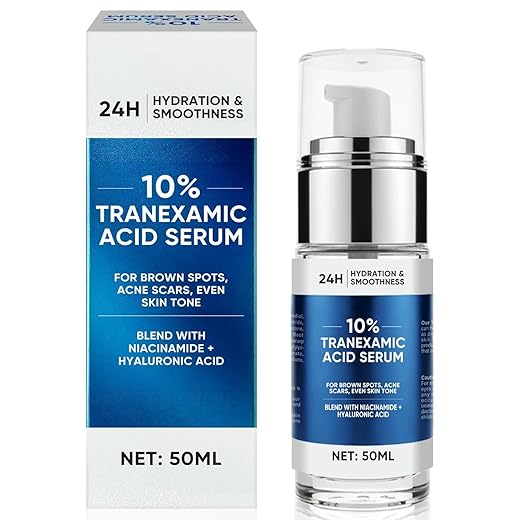
- Tranexamic Acid: A newer star in topical treatments, it interrupts the interaction between melanocytes and skin cells that triggers discoloration. FaceTheory Tranexamic Serum is a highly-rated formulation.
- Licorice Root Extract (Glabridin): A natural brightening agent with anti-inflammatory properties, making it ideal for reactive skin types.
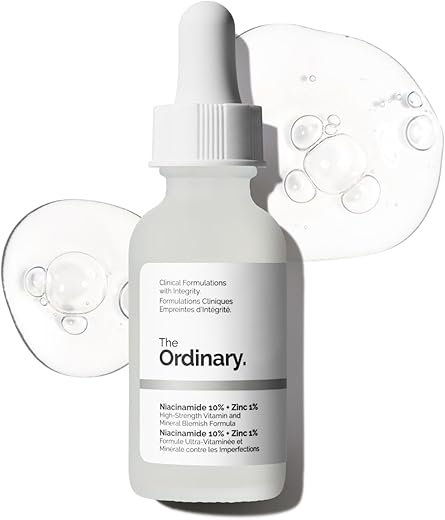
For maximum results, establish a consistent routine using a gentle cleanser, your chosen treatment serum, and a broad-spectrum SPF 30+ moisturizer daily. Sun exposure is the primary driver of pigmentation; skipping sunscreen negates all other efforts. If you experience persistent or severe discoloration, schedule an appointment with a skin specialist for stronger, prescription-grade options.
When and How to Apply a Brightening Serum
Begin application immediately following hair removal, but only after skin is completely calm and free of redness or micro-tears. If you’re still seeing any irritation, postpone until the next evening.
Cleanse skin with a gentle, non-exfoliating wash and pat dry. Dispense a pea-sized amount of serum, like the Dark Spot Remover for Face & Body, onto fingertips. Press and pat the formula onto the affected areas; avoid rubbing.

Incorporate the serum into your evening routine, as alpha hydroxy acids (AHAs) like glycolic acid can increase sun sensitivity. Always follow with a broad-spectrum SPF 30+ sunscreen every morning–this is non-negotiable for preventing further pigmentation.
For optimal results, use consistently every other night initially. You can pair it with a hydrating moisturizer, but avoid combining with other potent actives like retinoids or physical scrubs on the same night to prevent barrier compromise.
Mistakes to Avoid When Using Acid-Based Products
Never incorporate a new acid, like The Ordinary Glycolic Acid 7% Toning Solution, without first conducting a patch test behind your ear or on your inner arm for 48 hours.
Applying these potent formulations immediately before or after hair removal is a primary error, as compromised skin barrier dramatically increases the risk of irritation and post-inflammatory hyperpigmentation.
Combining multiple acid-based products, such as using a salicylic acid cleanser followed by an AHA/BHA peel, can overwhelm your skin’s tolerance, leading to redness, peeling, and heightened sensitivity.
Neglecting daily broad-spectrum sunscreen, like EltaMD UV Clear Broad-Spectrum SPF 46, renders all brightening efforts counterproductive, as UV exposure is the leading cause of pigmentary changes you’re aiming to correct.
Using acids too frequently in pursuit of faster results compromises the skin’s protective mantle; start with one to two nights weekly, as with Paula’s Choice Skin Perfecting 2% BHA Liquid Exfoliant, and gradually increase only if your skin shows no signs of distress.
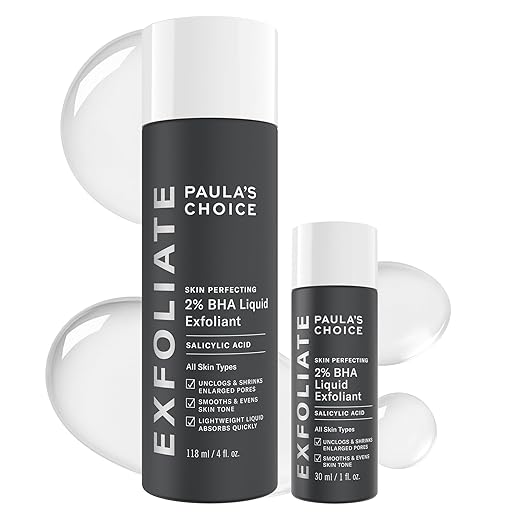
Expecting immediate improvement often leads to overuse; consistent, patient application over several skin cycles is the only effective method for seeing a gradual reduction in discoloration and texture.
Question-Answer:
Why do I get dark spots after waxing, and are they permanent?
Dark spots, known as post-inflammatory hyperpigmentation (PIH), occur when the skin trauma from waxing triggers an overproduction of melanin. This is more common in people with darker skin tones but can happen to anyone. Factors like improper technique, waxing sun-exposed skin, or using harsh products afterward increase the risk. The good news is these spots are often not permanent. With proper care and avoidance of further irritation, they typically fade over several months. Consistent use of a broad-spectrum sunscreen is the single most important step to prevent them from darkening and to help them fade.
What should I do right after waxing to prevent irritation and dark marks?
Immediately after your wax, apply a cool compress to soothe inflammation. For the first 24-48 hours, wear loose clothing to avoid friction. Use only gentle, fragrance-free moisturizers. Avoid heat sources like hot showers, saunas, and direct sun exposure. Do not use active ingredients like retinoids, alpha hydroxy acids (AHAs), or vitamin C serums on the area for at least two days, as they can further irritate the skin.
Can I wax my face if I’m prone to hyperpigmentation?
Waxing facial skin, which is more delicate, carries a higher risk for those prone to dark spots. Dermatologists often suggest considering alternative hair removal methods for the face, such as threading or sugaring, which may cause less trauma. If you choose to wax, ensure a specialist experienced with your skin type performs it. A strict pre- and post-waxing routine focused on calming the skin and protecting it from the sun becomes non-negotiable to minimize your risk.
Are there specific ingredients I should look for in products to use after waxing?
Yes, focus on ingredients that calm inflammation and support skin barrier repair. Look for products containing aloe vera, centella asiatica, niacinamide, or ceramides. After the initial 48-hour healing period, you can introduce products with azelaic acid or licorice root extract, which help manage pigmentation gently. Always patch-test any new product on a small area first.
How long should I wait after waxing before applying sunscreen or makeup?
You can apply a mineral-based sunscreen (with zinc oxide or titanium dioxide) immediately after waxing, as these are generally less irritating. For chemical sunscreens or makeup, it’s safer to wait at least 24 hours until the skin’s surface has settled. When applying any product, use clean hands and pat gently instead of rubbing to avoid aggravating the hair follicles.
Why do I sometimes get dark spots after waxing, and is it more common on certain skin types?
Dark spots, known as post-inflammatory hyperpigmentation, occur when the skin produces excess melanin in response to inflammation or injury. Waxing can cause this inflammation by removing hair from the root, which stresses the follicle and surrounding skin. This reaction is more frequent in people with darker skin tones (Fitzpatrick skin types III-VI), as their melanocytes are more active. However, anyone can experience it, especially if the skin is irritated during the waxing process or exposed to the sun immediately after.
What specific steps can I take before and after my appointment to minimize the risk of dark patches?
You can take several actions. Before waxing, stop using retinoids or harsh acids like glycolic acid for 5-7 days to avoid excessive skin sensitivity. Gently exfoliate the area 24-48 hours prior to help prevent ingrown hairs. After your session, apply a cool compress to reduce redness. For the next 48 hours, avoid heat like hot baths, saunas, and direct sun exposure. Daily use of a broad-spectrum sunscreen with SPF 30 or higher on the waxed area is non-negotiable, as new skin is highly susceptible to sun damage that causes darkening. Wear loose clothing to prevent friction. You may also ask your aesthetician about using a product with calming ingredients like licorice root extract or niacinamide after the initial 24-hour period.



No Comment! Be the first one.