


Keratin vs Protein Hair Treatments is a common comparison for anyone trying to repair damaged hair, reduce breakage, or restore strength after heat styling and chemical services. While both treatments are designed to improve hair health, they work in very different ways—and choosing the wrong one can actually make hair feel worse instead of better.
Table Of Content
- Keratin Treatment vs Protein Treatment: Practical Differences That Change Your Results
- What each treatment is made to do: smoothing/shine vs strengthening/repair
- How they work on the hair fiber: coating/crosslinking vs filling weak spots
- Which hair problems each targets: frizz, curl pattern, breakage, elasticity
- How long results last and what makes them fade faster
- Best candidates: who should avoid keratin or protein based on hair type and history
- Choosing the Right Treatment for Your Hair Type and Current Condition
- Keratin vs Protein Hair Treatments — Practical Guide by Hair Type
- FAQ: Keratin vs Protein Hair Treatments
- Keratin treatments smooth the cuticle, reduce frizz, and boost shine for manageable styling in humid conditions.
- Protein treatments rebuild internal structure, restoring elasticity and reducing breakage after bleaching or heavy heat damage.
- Rule of thumb: prioritize smoothing if frizz dominates; prioritize strengthening if hair stretches, feels gummy, or snaps.
- Do not combine at once: strengthen with protein first, then maintain with keratin-based smoothing spaced appropriately.
- Maintenance matters: sulfate-free cleansing, heat protection, and spacing treatments extend results and prevent overload.
In this guide, we break down the real difference between keratin and protein treatments, how each interacts with the hair shaft, and which option is best for your hair type, damage level, and styling routine. You’ll learn when keratin helps smooth and reinforce weak strands, when protein is necessary to rebuild structure, and how to avoid the stiffness, dryness, or overload that often comes from misuse.
Whether your hair feels limp and stretchy, rough and brittle, or just won’t hold a style anymore, understanding keratin vs protein hair treatments will help you choose the right solution—and see healthier, stronger results faster.

If frizz and humidity are the main problem, prioritize a keratin-based smoothing service or at-home equivalent: it seals the cuticle, reduces puffiness, and supports easier straightening without daily heat overload. A practical Amazon option is Brasil Cacau Brazilian Keratin Treatment (often used in a salon-style routine) or a lighter maintenance pick like Keratin Complex Keratin Care Smoothing Shampoo to keep results consistent between appointments.
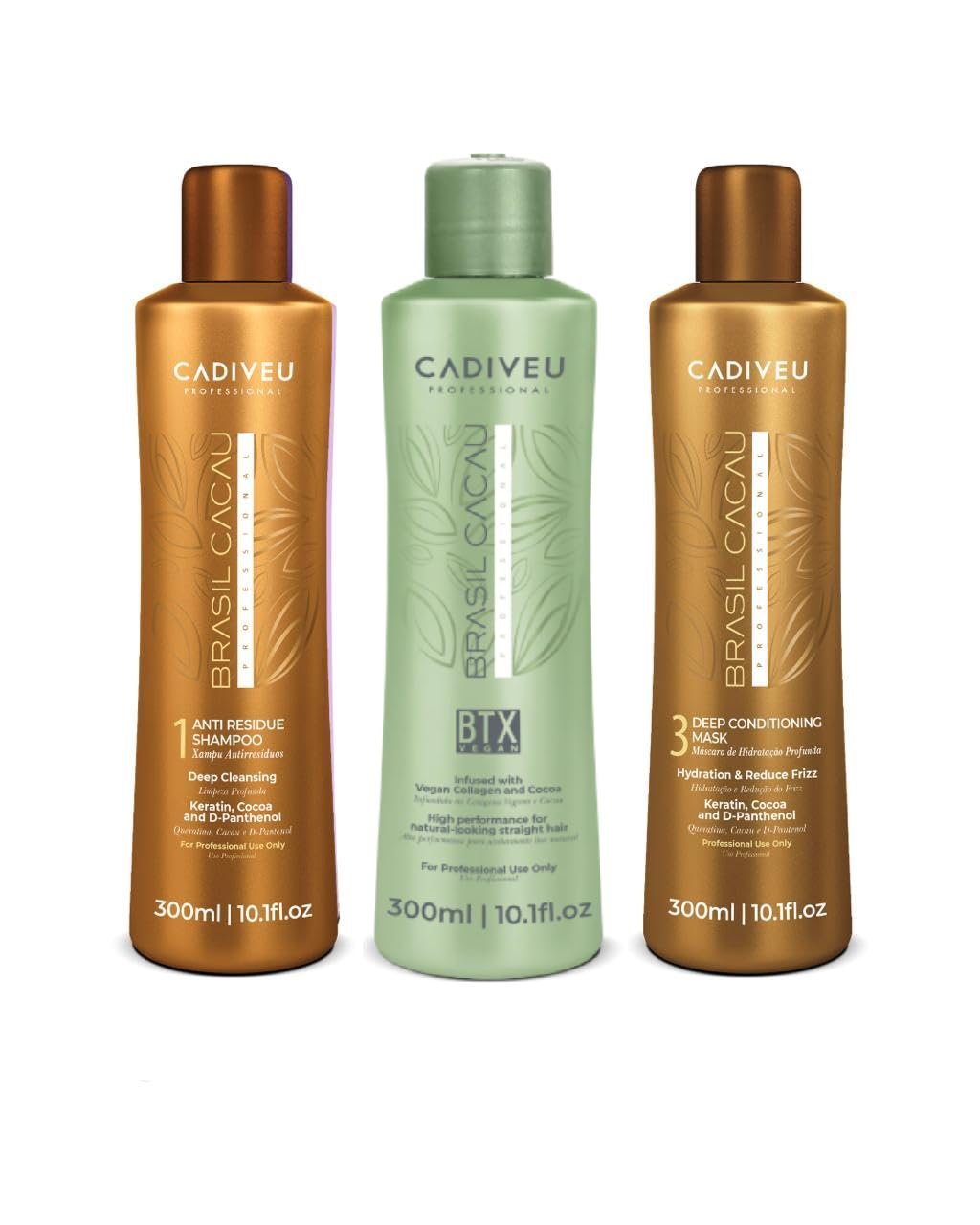
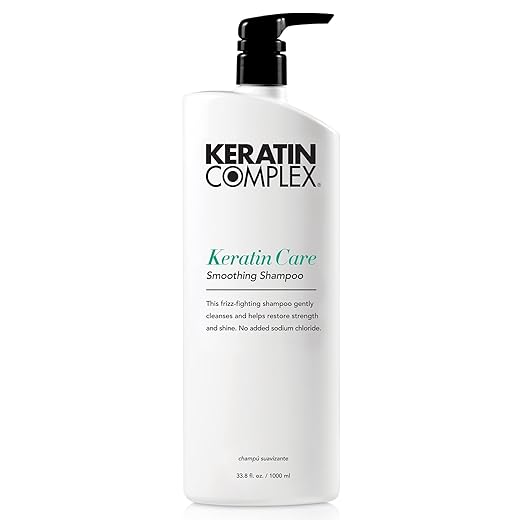
If breakage, elasticity loss, or chemical damage is the issue, a protein-rich reconstruction mask is the more targeted move: it focuses on internal reconstruction and strengthening rather than surface gloss alone. From Amazon, consider ApHogee Two-Step Protein Treatment for serious post-bleach damage, or Joico K-PAK Deep-Penetrating Reconstructor for regular repair cycles that help the cuticle lay flatter as strength returns.
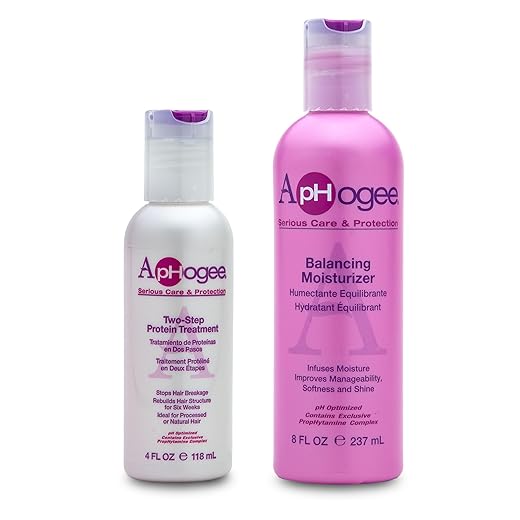
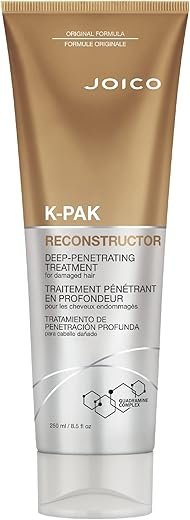
Rule of thumb: smoothing-first when frizz dominates and strands feel intact; reconstruction-first when hair snaps, stretches, or feels mushy after coloring. Combining both works only with spacing: do a protein-rich reconstructor no more than every 2–4 weeks (depending on damage), then maintain with keratin-based smoothing products to keep the cuticle aligned and frizz low without pushing hair into stiffness.
Keratin Treatment vs Protein Treatment: Practical Differences That Change Your Results
If you want fast smoothing plus visible frizz control, choose a keratin-based salon service; if you need reconstruction after bleach or heat damage, choose a bond-building protein-rich service to restore elasticity first.
Core mechanism changes results: keratin-based formulas mainly coat and align the cuticle, so hair feels sleeker and looks glossier after straightening. This works best when the strand is mostly intact but rough on the surface. If your ends snap easily, a coating alone can make hair feel “nice” yet still break because elasticity is already compromised.
Protein-rich systems work differently: they target weak spots, helping reconstruction by reinforcing the inner structure so strands stretch and bounce back instead of snapping. Pick this route when you see wet-stretch breakage, gummy feel, or excessive shedding after coloring–clear signs of damage that need strength, not just shine.
Practical selection rules: choose keratin-based smoothing when humidity makes frizz explode and your hair tolerates gentle tension without breaking; choose protein-rich strengthening when hair stretches too far, tangles instantly, or loses curl pattern after heat. If you’re doing a salon straightening session, schedule strengthening 1–2 weeks before if elasticity is low, then follow with smoothing once the strand stops snapping.
Home maintenance that supports each option: after keratin-based smoothing, keep the cuticle flat with sulfate-free wash and heat protectant; a popular Amazon pick is Brazilian Blowout Acai Anti-Frizz Shampoo or Pureology Hydrate Shampoo to reduce frizz without stripping. After protein-rich reconstruction, alternate moisturizing masks with targeted repair–Amazon examples include Olaplex No.3 Hair Perfector (bond support) and Joico K-Pak Reconstructor to improve elasticity without making hair rigid.


Result timeline: smoothing effects show immediately, typically 6–12 weeks depending on wash frequency; reconstruction takes 2–6 sessions to noticeably reduce breakage, but improves elasticity sooner (often after 1–2 uses). For SEO 2025-friendly shopping intent, match your goal keyword to the problem: “frizz control smoothing” for cuticle alignment, “elasticity repair reconstruction” for damage recovery.
What each treatment is made to do: smoothing/shine vs strengthening/repair
Choose a smoothing + straightening service if daily frizz control and reflective shine are top priorities; pick a strengthening + reconstruction service if breakage, elasticity loss, or chemical damage shows up when you stretch a strand and it snaps fast.
Smoothing/shine focus: this option is built to lay the cuticle flatter, reduce humidity puff-up, and make hair feel more “sealed.” In a salon, results usually look most dramatic on porous lengths and color-treated ends because the cuticle is raised and grabs moisture. Ask for a formula aimed at frizz plus heat-activated smoothing, then maintain it with low-sulfate cleansing and a heat protectant to keep straightening results longer.
- Who benefits most: wavy/curly hair that expands in humidity, coarse strands, blowout lovers, frequent heat styling users.
- What to request in salon: a service marketed around smoothing + straightening (not “repair-first”), plus a cool rinse to help close the cuticle.
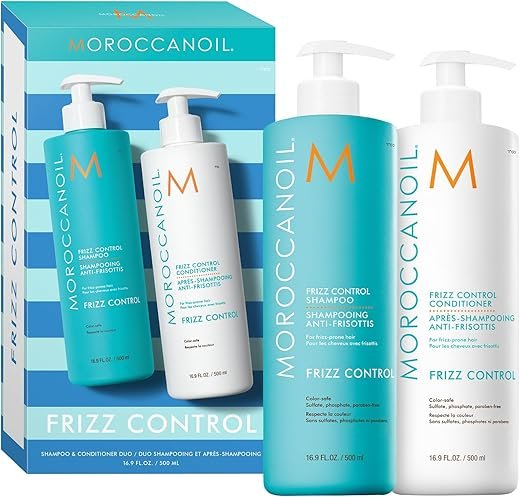
- At-home support (Amazon examples): Color Wow Dream Coat Supernatural Spray; Moroccanoil Frizz Control Shampoo/Conditioner; CHI 44 Iron Guard heat protectant.

Strengthening/repair focus: this path targets weak spots from damage–bleach, highlights, perming, aggressive brushing, or excessive heat. Think of it as reconstruction: filling gaps, improving strand resistance, and reducing shedding from breakage. If hair feels gummy when wet or rough even after conditioning, prioritize strengthening work first; once the fiber is sturdier, smoothing services look better and last longer.
- Fast self-check: stretch a wet strand–if it elongates too much and won’t bounce back, schedule a strengthening session.
- Salon ask: bond-building + reconstruction steps, then a lighter finishing glaze for cuticle polish (instead of heavy straightening).
- At-home support (Amazon examples): K18 Leave-In Molecular Repair Hair Mask; Olaplex No.3 Hair Perfector; Redken Acidic Bonding Concentrate line.
Practical pairing: if you want straightening but hair shows damage, do 2–4 weeks of strengthening + reconstruction first, then book a salon smoothing session. This order reduces frizz, protects the cuticle, and helps results stay sleek instead of turning limp or brittle.
How they work on the hair fiber: coating/crosslinking vs filling weak spots
Choose coating/crosslinking if priority is straightening + smoothing with fast frizz control; pick “filling weak spots” if snaps, feels gummy when wet, or loses elasticity after heat or color damage. Coating/crosslinking forms a thin film around each strand and tightens surface structure so raised cuticle lies flatter–results look sleek, reflect more light, and resist humidity. Filling weak spots works more like targeted reconstruction: small fragments bind to porous zones, improving tensile strength so ends don’t split as easily.
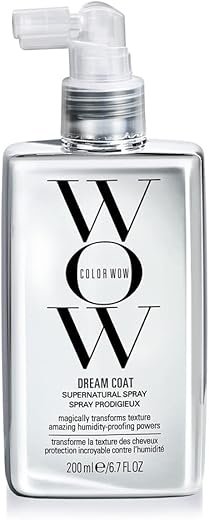
Coating/crosslinking mechanics: heat-activated formulas deposit a uniform layer that reduces swelling when hair absorbs water, so frizz drops and blow-drying becomes quicker. For at-home use, Amazon options like Color Wow Dream Coat Supernatural Spray (humidity shield) or Brazilian Blowout Acai Anti-Frizz Shampoo/Conditioner help maintain a smoother cuticle between appointments. Apply on towel-dried hair, comb through in sections, then use a blow dryer with tension; finish with a flat iron only if needed for stronger straightening. If scalp is sensitive, keep 1–2 cm away from roots and ventilate like a salon setup.
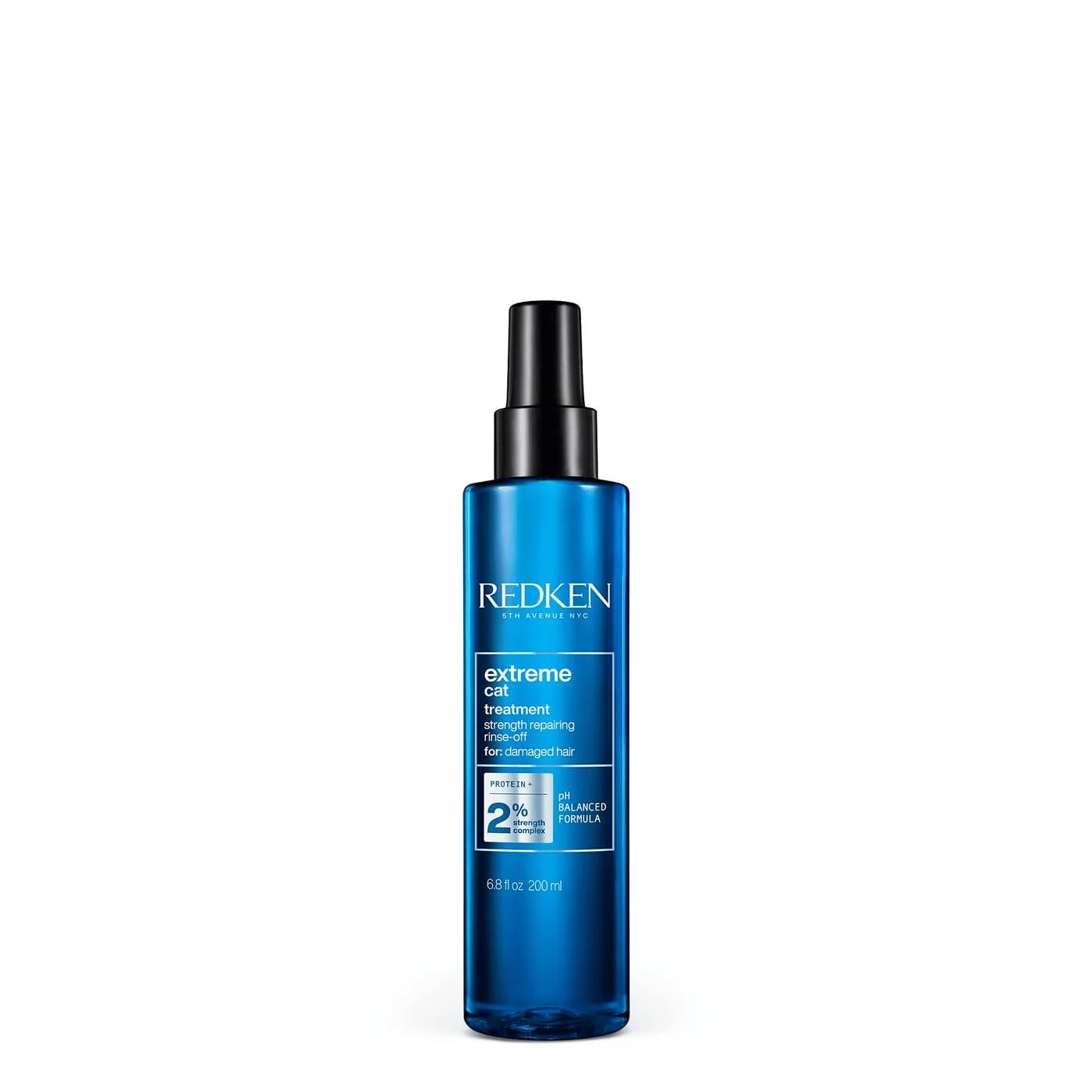
Filling weak spots mechanics: hydrolyzed building blocks and bond-support additives migrate into gaps created by bleaching, perming, or frequent hot tools; they reinforce weak areas so hair stretches and returns better, restoring elasticity. Amazon picks that fit this “repair + reinforce” approach include Olaplex No.3 Hair Perfector (bond support) and Redken Extreme CAT (strengthening rinse-out). Use on damaged mid-lengths and ends, leave on 5–10 minutes, then rinse; overuse can make strands stiff, so alternate with a moisturizing conditioner to keep movement.
Which hair problems each targets: frizz, curl pattern, breakage, elasticity
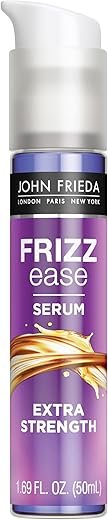
Choose a smoothing + straightening-focused formula if frizz is your daily issue: it coats the cuticle, reduces moisture spikes, and keeps strands aligned longer after blow-drying. For at-home results close to a salon finish, look for a heat-activated sealant and pair it with a 450°F-rated tool. Amazon picks: Color Wow Dream Coat Supernatural Spray (humidity shield) and John Frieda Frizz Ease Extra Strength Serum (cuticle-polishing slip) to lock in a sleeker surface without making hair feel stiff.
Pick a reconstruction + strengthening system when breakage shows up as snapping ends, white dots, or shedding that increases after brushing. These products focus on internal support rather than cosmetic shine, helping hair tolerate combing and styling. Amazon picks: Olaplex No.3 Hair Perfector (bond-style repair for damage), K18 Leave-In Molecular Repair Hair Mask (fast reconstruction between washes). Use 1–2× weekly, then maintain with a gentle conditioner so the cuticle doesn’t stay rough.

To protect curl pattern, use smoothing only on areas that puff up, not on roots-to-ends every time. Heavy straightening systems can loosen waves if overused, especially on fine or color-treated hair. For curl definition with frizz control, prioritize lightweight curl creams plus a diffuser routine; avoid stacking too many sealants that weigh coils down. Amazon picks: Moroccanoil Curl Defining Cream (soft hold) and SheaMoisture Curl Enhancing Smoothie (richer option for thick textures).


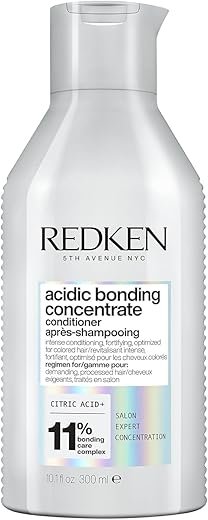
To improve elasticity, match the fix to what you feel during a stretch test: if a wet strand stretches a lot and doesn’t bounce back, you need strengthening and reconstruction; if it snaps immediately, the cuticle is likely brittle and needs more lubrication plus gentler handling. Practical routine: one repair session weekly, minimal heat, microfiber towel, wide-tooth comb. Amazon picks: Redken Acidic Bonding Concentrate Conditioner (elasticity support + surface smoothing) and It’s a 10 Miracle Leave-In (slip to reduce mechanical damage).
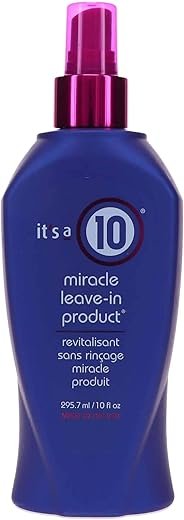
- Frizz: smoothing sealants + humidity blockers; apply on damp hair, then heat to set the cuticle.
- Curl pattern shifts: reduce straightening frequency; spot-apply smoothing on outer layer only.
- Breakage: reconstruction mask weekly + low-tension styling; avoid aggressive detangling.
- Low elasticity: strengthening focus first, then add softening conditioner to keep strands flexible.
How long results last and what makes them fade faster
Plan on 8–12 weeks of visible straightening and smoothing if you wash 2–3 times weekly and protect hair from heat; lighter, repair-focused reconstruction effects usually hold 3–6 weeks. Results fade fastest when shampoo strips cuticle lipids, heat repeatedly reopens cuticle layers, or hair already has high porosity from bleach-related damage.
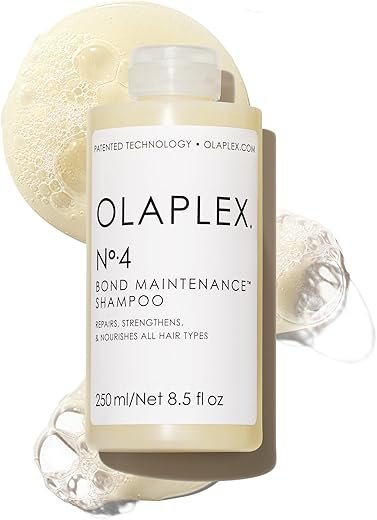
Washing habits decide longevity. Daily washing can cut wear time by ~30–50% because surfactants and hot water swell strands, lifting cuticle edges and allowing deposits to rinse out. Use a sulfate-free cleanser 2–3x weekly, keep water lukewarm, and finish with a cool rinse to reduce frizz. Amazon examples: Olaplex No.4 Bond Maintenance Shampoo (gentle cleansing that supports strengthening), Color Wow Color Security Shampoo (low residue, helps keep results from feeling coated).
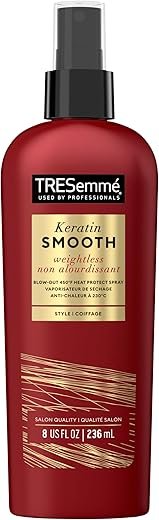
Heat is the second biggest fade factor. Frequent flat-ironing at 200–230°C speeds loss of straightening while increasing damage, which lowers elasticity and makes hair spring back into waves plus frizz. Cap hot tools at 170–190°C for fine/colored hair, 190–205°C for coarse virgin hair, always with thermal protection. Amazon picks: ghd Bodyguard Heat Protect Spray (reliable barrier for daily styling), TRESemmé Keratin Smooth Heat Protection Spray (budget option for smoothing and flyaway control).

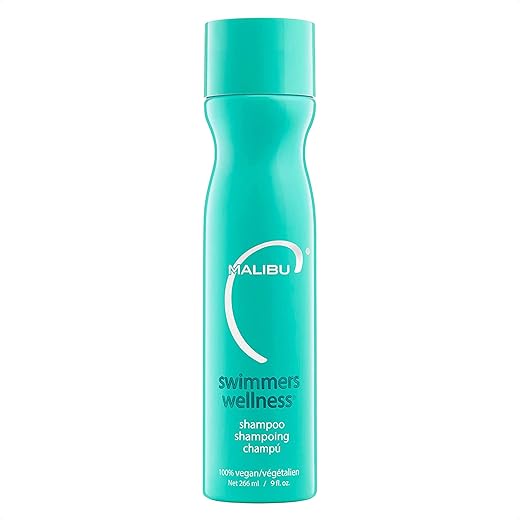
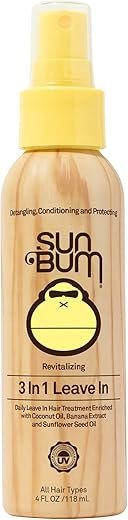
Salt, chlorine, sweat, and UV shorten wear time. Pool chlorine and ocean salt roughen cuticle, pulling moisture out and making frizz return earlier; UV accelerates oxidation that weakens bonds, reducing elasticity. Before swimming, saturate hair with fresh water + conditioner, then rinse immediately after. Amazon options: Malibu C Swimmers Wellness Shampoo (removes mineral/chlorine buildup), Sun Bum 3-in-1 Leave In (UV help + detangling to limit breakage).
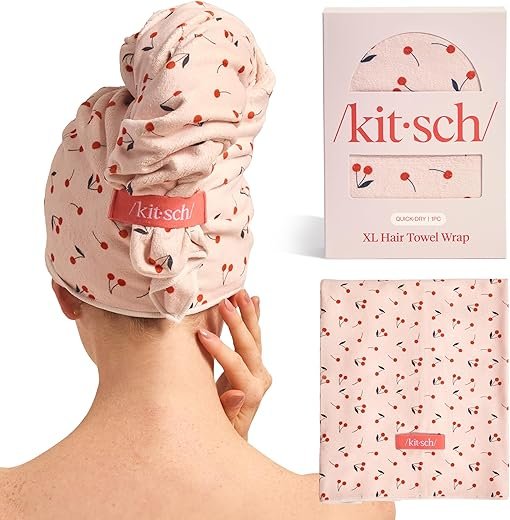
Mechanical stress quietly erases results. Rough towel drying, tight elastics, and cotton pillowcases create friction that chips cuticle, leading to dullness and faster frizz. Switch to microfiber towels, use snag-free ties, sleep on silk/satin. Amazon examples: Kitsch XL Microfiber Hair Towel Wrap (reduces friction), Slip Silk Pillowcase (cuts tangling, supports strengthening by preventing breakage).

Maintenance products can extend or ruin longevity. Heavy clarifying shampoos and high-pH soaps accelerate fade; lightweight acidic conditioners help seal cuticle and keep smoothing effects. Rotate: gentle wash most days, clarifier only every 3–4 weeks if buildup appears. For ongoing reconstruction without stiffness, add a bond/repair mask weekly. Amazon examples: K18 Leave-In Molecular Repair Hair Mask (targets damage and boosts elasticity), Redken Acidic Bonding Concentrate Conditioner (helps keep cuticle compact, supports strengthening).
Best candidates: who should avoid keratin or protein based on hair type and history
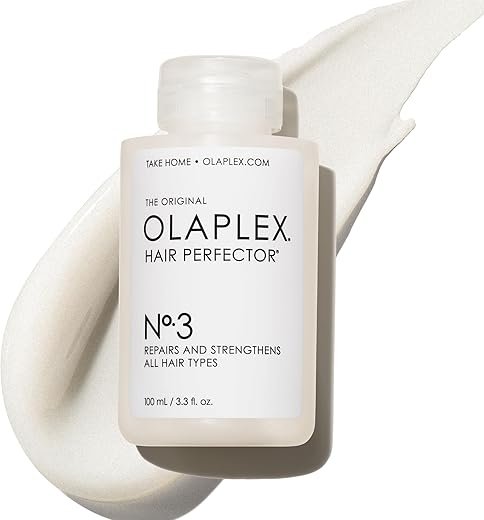
Avoid keratin-based straightening if hair is bleached, highlighted repeatedly, or recently relaxed: high heat plus sealing the cuticle can lock in existing damage and make ends snap. Red flags: gummy feel when wet, poor elasticity (stretches then breaks), and “see-through” ends. Choose gentle reconstruction with bond support instead–Amazon options like Olaplex No.3 Hair Perfector or K18 Leave-In Molecular Repair Hair Mask help reduce breakage without aggressive straightening.
Avoid heavy protein-heavy strengthening if strands feel stiff, rough, or “crunchy” after masks: too much strengthening can reduce elasticity and increase brittleness, especially on low-porosity hair where the cuticle is tight. Signs of overload: tangles increase, hair won’t bend, ends fray even with minimal heat. Switch to moisture-first smoothing with slip and light lipids; try Amazon picks like SheaMoisture Manuka Honey & Mafura Oil Intensive Hydration Masque or Briogeo Don’t Despair, Repair! Deep Conditioning Mask to restore flexibility.
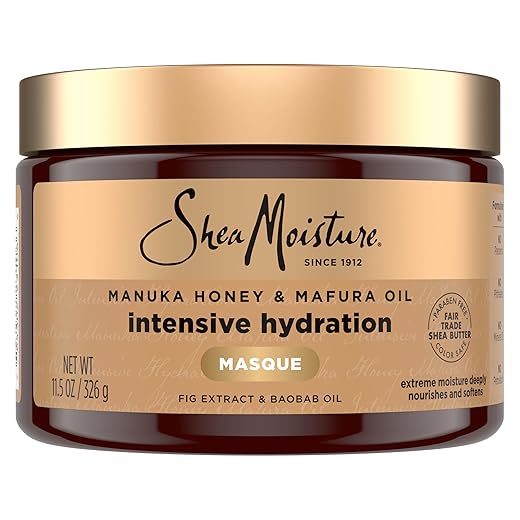
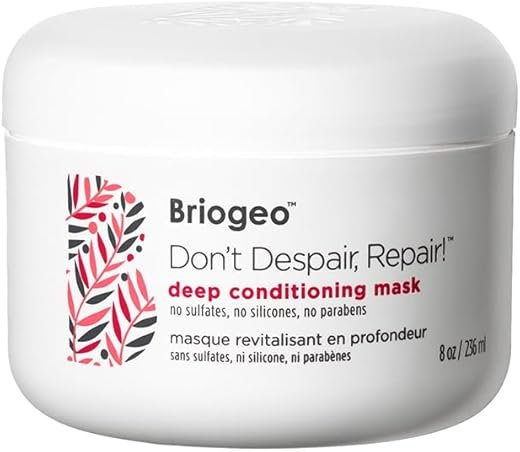
Good candidates for keratin-style smoothing: coarse, frizz-prone hair with moderate porosity and no recent bleach; also hair that tolerates heat well and needs manageable smoothing more than volume. Keep risk lower by spacing services 12–16 weeks, doing a strand test, and skipping if scalp is sensitive. If going to a salon, ask for formaldehyde-free or low-fume formulas, lower iron passes on fine sections, and a post-service plan with heat protectant–Amazon example: TRESemmé Keratin Smooth Heat Protection Spray.
Good candidates for protein-driven reconstruction: hair with frequent color, hot-tool use, or mechanical wear (tight ponytails, extensions) showing loss of elasticity and mid-shaft snapping. Use measured doses: every 2–4 weeks on fine hair, every 1–2 weeks on very porous hair, alternating with moisture masks. A practical rotation: bond builder (Amazon Redken Acidic Bonding Concentrate) + light strengthening rinse-out (Amazon ApHogee Keratin 2 Minute Reconstructor) + moisturizing mask to keep cuticle flexible and prevent new damage.
History-based “do not” checklist: skip salon straightening if hair had bleach within 4–6 weeks, perm/relaxer within 3 months, or active shedding; skip intensive strengthening if hair is already stiff from frequent “repair” masks or hard-water buildup (clarify first).
Choosing the Right Treatment for Your Hair Type and Current Condition

Pick a smoothing-focused option when humidity triggers frizz, ends feel rough, and shine disappears: it helps seal the cuticle and makes daily straightening faster with less heat exposure. If strands are mostly healthy but puffy, choose a formula labeled “anti-frizz” or “humidity shield” and keep heat ≤185°C/365°F to avoid extra damage. From Amazon, look at “Color Wow Dream Coat Supernatural Spray” (heat-activated frizz control) or “John Frieda Frizz Ease Extra Strength Serum” (quick smoothing on damp hair).
Choose strengthening + reconstruction when hair snaps during combing, turns stretchy when wet, or shows porous, raised cuticle after bleaching. In this condition, prioritize bond-building and amino-acid repair routines 1–2× weekly, then seal with a lightweight conditioner to reduce friction. Amazon examples: “K18 Leave-In Molecular Repair Hair Mask” (post-color damage care) and “Olaplex No.3 Hair Perfector” (bond support). Keep hot tools minimal for 2–3 weeks while rebuilding; repeated straightening on weakened strands multiplies breakage.
If hair is fine or low-density, avoid heavy smoothing layers that can collapse volume and make roots greasy; instead, use a rinse-out strengthening mask only on mid-lengths, then a small amount of silicone serum on ends to tame frizz without weighing down. If hair is thick, coarse, or curly, a richer smoothing mask plus leave-in cream helps align cuticle and improves definition; combine with a diffuser on low heat to reduce damage. When results must last longer than home care, schedule a salon service that matches the goal (smoothness vs reconstruction) and confirm the formula is compatible with colored hair.
Keratin vs Protein Hair Treatments — Practical Guide by Hair Type
| Hair type / condition | Main goal | Action plan (short) | Product example (Amazon) |
|---|---|---|---|
| Wavy / straight, strong, frizzy | Smooth + seal cuticle | Heat-activated anti-frizz, low heat styling; optional salon gloss | Color Wow Dream Coat |
| Bleached / highlighted, heat damage | Strength + repair | Bond repair 1–2×/week; gentle wash; reduce heat | K18 Leave-In Mask, Olaplex No.3 |
| Curly / coily, dry ends, frizz halo | Control frizz, keep curls | Weekly rich mask + leave-in; no aggressive straightening | SheaMoisture Manuka Honey Masque |
| Fine hair, oily roots, light frizz | Light smooth + support | Mask on lengths only; tiny serum on ends | John Frieda Frizz Ease Serum |
Rule of thumb: rough feel + puffiness = focus on smoothing and cuticle alignment; snapping + gummy wet strands = prioritize strengthening and reconstruction before any intensive straightening. When in doubt, start with a 2-week repair cycle, then add stronger smoothing only after breakage slows–this sequence lowers cumulative damage while improving manageability.
FAQ: Keratin vs Protein Hair Treatments
1. What is the main difference between keratin and protein hair treatments?
Keratin treatments focus on smoothing and cuticle alignment. They coat the hair shaft, reduce frizz, and improve shine, especially in humid conditions. Protein treatments focus on strengthening and reconstruction. They help repair internal damage, improve elasticity, and reduce breakage in hair weakened by bleach, heat, or chemical services.
2. How do I know if my hair needs keratin or protein?
Use a simple stretch test on a wet strand.
- If the hair stretches too much, feels gummy, or snaps, it needs protein/strengthening.
- If the hair feels rough, puffy, frizzy, but doesn’t break easily, keratin-based smoothing is usually the better choice.
3. Can I use keratin and protein treatments together?
Yes—but not at the same time. Start with protein if hair is damaged or breaking, then switch to keratin-based smoothing once elasticity improves. Most people do best with protein treatments every 2–4 weeks (depending on damage) and use keratin products in between for frizz control and cuticle sealing.
4. Can keratin or protein treatments make hair worse?
Yes, if used incorrectly. Too much keratin or smoothing on damaged hair can lock in weakness and increase breakage. Too much protein can make hair feel stiff, dry, or brittle. If hair feels crunchy or tangles more after treatment, stop and switch to moisture-focused care.
5. Are keratin treatments safe for color-treated or bleached hair?
Keratin treatments can be risky on recently bleached or heavily damaged hair, especially when heat is involved. If hair was lightened in the last 4–6 weeks or feels stretchy when wet, rebuild strength with protein or bond repair first before considering any smoothing service.
6. How long do results last for each treatment?
Keratin smoothing results typically last 6–12 weeks, depending on washing frequency and heat exposure. Protein treatments don’t have a “finish date” but work cumulatively—elasticity and breakage usually improve within 1–3 treatments, with maintenance needed as damage continues.
7. Can fine hair use keratin or protein treatments?
Yes, but cautiously. Fine hair is more prone to overload. Use lightweight protein treatments sparingly and avoid heavy keratin coatings near the roots. Focus application on mid-lengths and ends, and prioritize gentle strengthening over aggressive smoothing.
8. Should I choose keratin or protein if frizz is my only issue?
If frizz is the main concern and hair strength is normal, keratin-based smoothing or anti-frizz treatments are usually the right choice. If frizz is paired with breakage, shedding, or loss of curl pattern, address strength first, then add smoothing later.
9. How often should I reassess which treatment my hair needs?
Hair needs change with seasons, styling habits, and chemical services. Reassess every 4–6 weeks, especially after coloring, heat-heavy styling periods, or noticeable texture changes.
10. What’s the safest approach if I’m unsure?
Start with repair and strengthening, then move to smoothing. Healthy hair holds keratin results better, styles easier, and breaks less—making this sequence the lowest-risk, most effective strategy for long-term hair health.



No Comment! Be the first one.